การเทรดสั้นมาก (Scalping)Scalping
เข้าใจว่าสแกลป์ปิ้งทำงานอย่างไร เหมาะกับใคร และทำไมสเปรดกับค่าคอมมิชชันจึงตัดสินผลมากกว่ากลยุทธ์How scalping works, who it suits, and why spread and commission often decide the result more than the setup does.
ในบทความนี้ · 8
In this article · 8
สแกลป์ปิ้ง (Scalping) คือการเทรดที่ถือไม้สั้นมาก ตั้งแต่ไม่กี่วินาทีจนถึงไม่กี่นาที แล้วเก็บกำไรทีละไม่กี่จุด (pip) ฟังดูง่ายเพราะ "แค่เก็บเล็กเก็บน้อย" แต่ในความจริงเป็นสไตล์ที่ต้นทุนการเทรดกินกำไรได้มากที่สุด และกดดันจิตใจที่สุดสไตล์หนึ่ง ก่อนลองจึงควรเข้าใจตัวเลขเบื้องหลังให้ชัดก่อน
สแกลป์ปิ้งคืออะไร
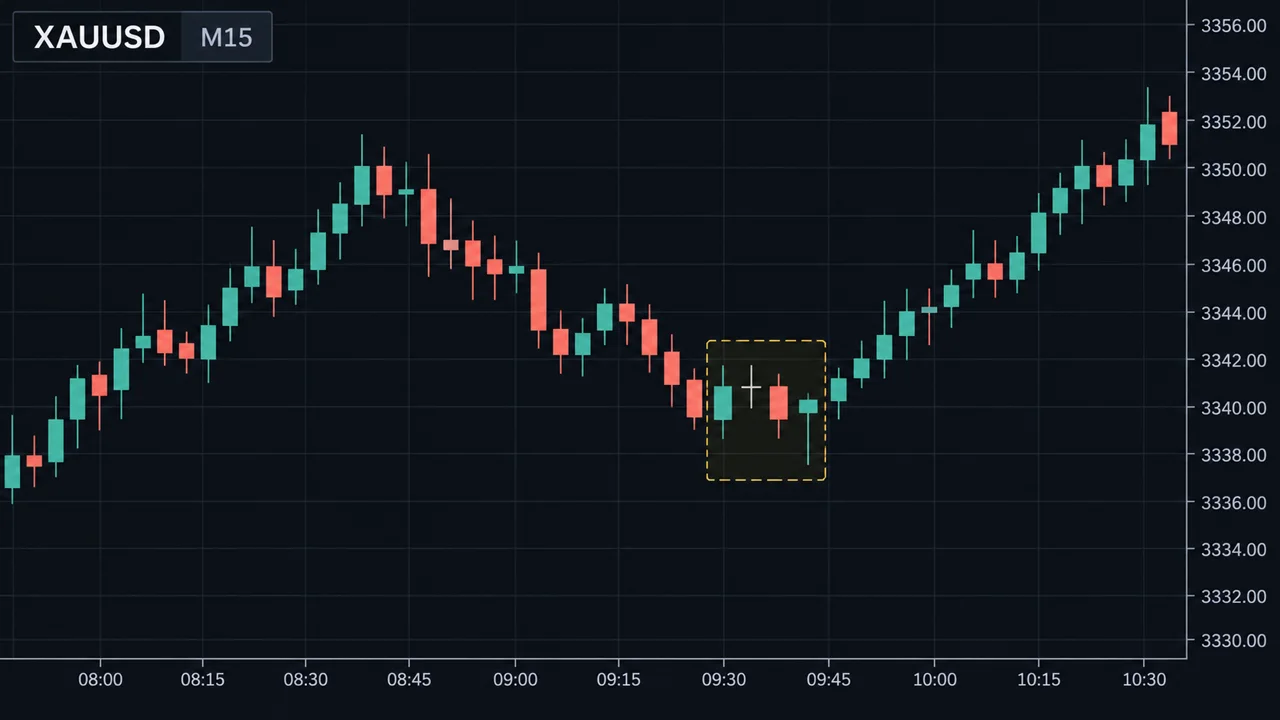
แนวคิดหลักคือหาจังหวะที่ราคาเคลื่อนไหวเร็วในช่วงสั้น ๆ แล้วขอส่วนแบ่งเล็ก ๆ จากการเคลื่อนไหวนั้น นักสแกลป์มักใช้กราฟเวลาสั้น (Timeframe) เช่น M1, M5 หรือบางคนดูแค่ราคาเคลื่อนไหวรายติ๊ก เป้ากำไรต่อไม้มักอยู่แค่ 3–10 pip ในคู่เงินหลัก หรือไม่กี่ดอลลาร์ในทองคำ (XAUUSD)
เพราะกำไรต่อไม้เล็ก นักสแกลป์จึงต้องเทรดหลายไม้ต่อวัน และมักใช้ขนาดไม้ (Lot) ใหญ่กว่าคนที่เทรดกรอบเวลายาว เพื่อให้แต่ละไม้มีความหมาย นี่คือจุดที่ความเสี่ยงซ่อนอยู่ ขนาดไม้ใหญ่ + จำนวนไม้เยอะ = ต้นทุนรวมสูง และความผิดพลาดเล็ก ๆ ถูกขยายตามไปด้วย
เหมาะกับใคร
- เวลา: ต้องนั่งหน้าจอต่อเนื่องในช่วงตลาดคึกคัก เช่น ช่วงลอนดอนเปิด หรือช่วงลอนดอนซ้อนนิวยอร์ก (ดู ช่วงเวลาตลาด) ถ้ามีเวลาว่างแค่ช่วงกลางคืนที่ตลาดเงียบ สไตล์นี้ไม่เหมาะ
- นิสัย: ตัดสินใจเร็ว ยอมตัดขาดทุนทันทีโดยไม่ลังเล และไม่ "แก้มือ" หลังแพ้ คนที่ชอบคิดนาน ๆ หรือหงุดหงิดง่ายมักไปได้ไม่ดี
- ขนาดบัญชี: บัญชีเล็กเทรดได้ แต่ต้องระวังว่าการใช้ล็อตใหญ่เกินทุนเพื่อให้ได้เงินต่อไม้มากขึ้น คือทางลัดสู่การล้างพอร์ต
- โบรกเกอร์และบัญชี: ต้องการสเปรดต่ำ การส่งคำสั่งเร็ว และเงื่อนไขที่อนุญาตให้ถือไม้สั้นมาก ๆ ได้
กติกาแบบที่พบบ่อย
ไม่มีสูตรเดียว แต่โครงสร้างที่นักสแกลป์ใช้กันมักมีหน้าตาประมาณนี้
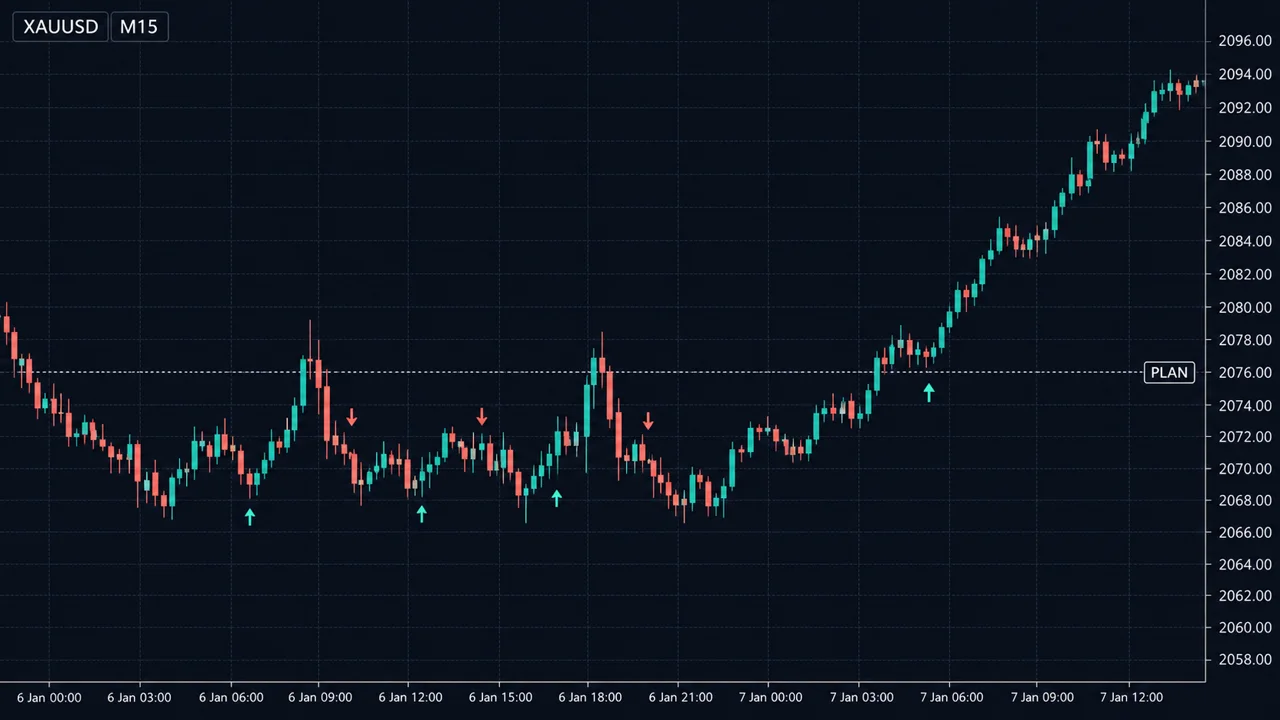
- กรองทิศทางจากกราฟใหญ่กว่า เช่น ดู M15 ว่าราคายืนเหนือหรือใต้เส้นค่าเฉลี่ย แล้วเทรดเฉพาะทางเดียวกันบน M1/M5
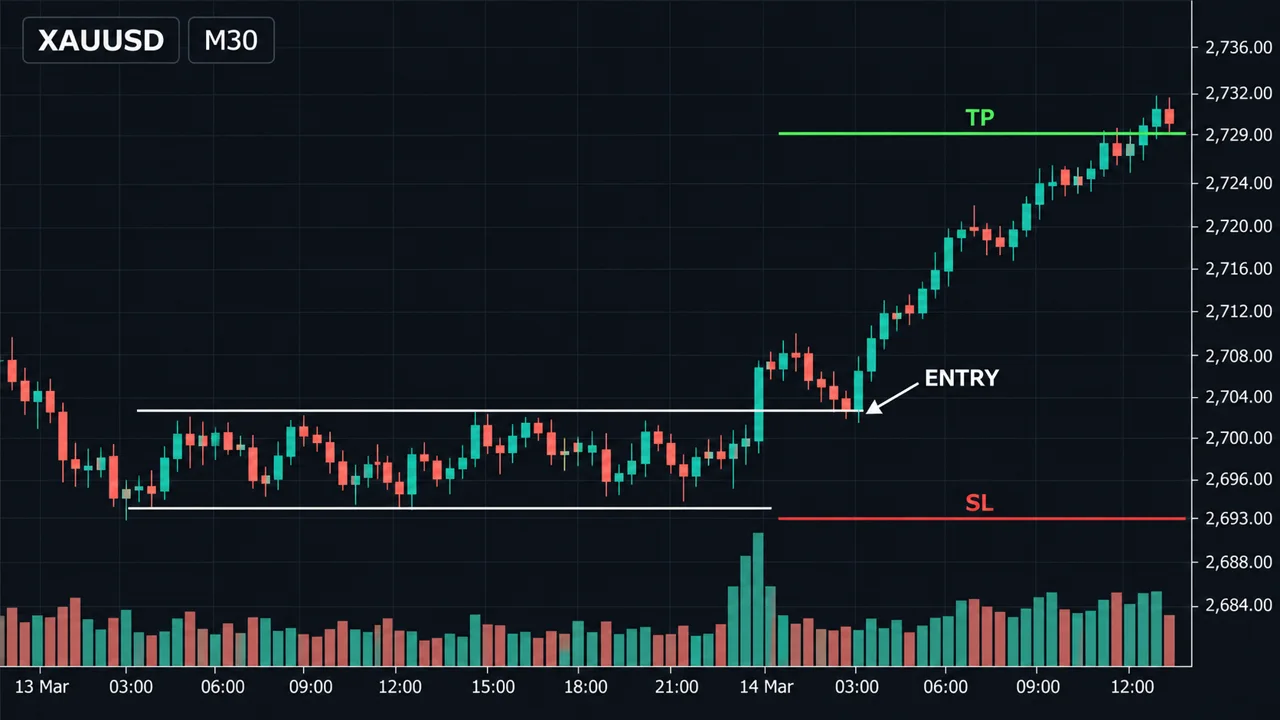
- จุดเข้า (Entry): รอราคาย่อกลับมาแตะจุดอ้างอิง เช่น เส้นค่าเฉลี่ยเร็ว แนวรับแนวต้านล่าสุด หรือกรอบสั้น ๆ แล้วเข้าเมื่อแท่งเทียนยืนยันกลับตัวไปทางเดิม
- จุดตัดขาดทุน (Stop Loss): วางทันทีที่เข้าไม้ ใต้หรือเหนือจุดกลับตัวล่าสุด มักห่างแค่ไม่กี่ pip
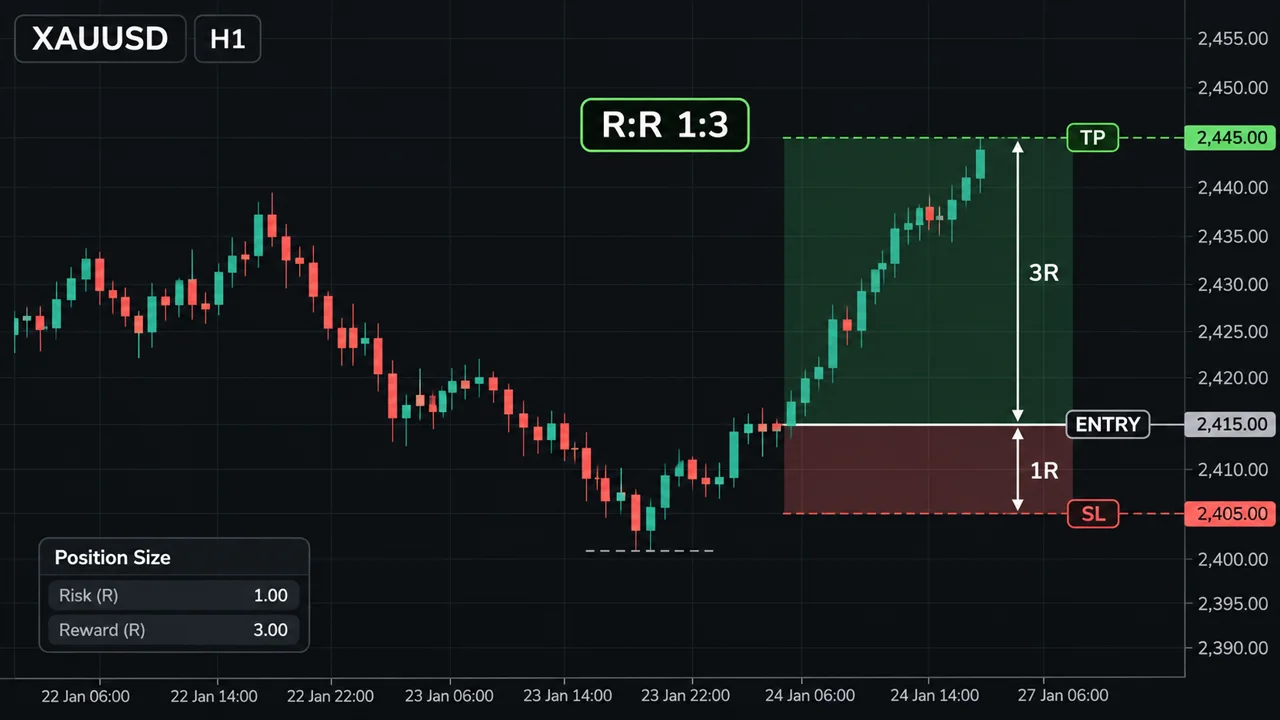
- จุดออก (Exit): เป้าคงที่ (เช่น 1–1.5 เท่าของระยะ SL) หรือออกเมื่อราคาหยุดไปต่อ บางคนปิดครึ่งหนึ่งแล้วเลื่อน SL มาจุดทุน
- กติกาเลิกเทรดประจำวัน: แพ้ติดกันกี่ไม้หรือเสียกี่เปอร์เซ็นต์แล้วปิดจอ สำคัญมากเพราะสไตล์นี้ทำให้เทรดเกินตัว (Overtrading) ได้ง่ายที่สุด
ต้นทุน: ตัวแปรที่ตัดสินทุกอย่าง
สำหรับคนเทรดสวิง สเปรด 1 pip แทบไม่มีผลเมื่อเป้าคือ 150 pip แต่สำหรับนักสแกลป์ที่เป้าคือ 5 pip สเปรด 1 pip คือ 20% ของกำไรทั้งไม้ บวกค่าคอมมิชชัน (Commission) ในบัญชีแบบสเปรดต่ำ และการลื่นไถลของราคา (Slippage) ตอนตลาดเร็ว ต้นทุนรวมอาจกินกำไรไปเกินครึ่งได้ (อ่านเพิ่มที่ สเปรด สวอป และค่าคอมมิชชัน)
สมมติเทรด EURUSD 0.50 ล็อต ดังนั้น 1 pip = $5 เป้ากำไร 5 pip และ SL 5 pip ดูเหมือนเสมอกันแบบ 1:1 ต้นทุนต่อไม้: สเปรด 0.8 pip = $4 และค่าคอมมิชชัน $7 ต่อ 1 ล็อตไปกลับ = $3.50 รวม $7.50 ไม้ชนะได้สุทธิ $25 − $7.50 = $17.50 ไม้แพ้เสียสุทธิ $25 + $7.50 = $32.50 อัตราชนะที่ทำให้เสมอตัว = 32.50 ÷ (17.50 + 32.50) = 65% แปลว่าระบบที่ดู "1:1" ต้องชนะเกิน 65% แค่เพื่อไม่ขาดทุน และถ้าเทรด 100 ไม้ ต้นทุนรวมคือ 100 × $7.50 = $750 ไม่ว่าผลจะเป็นอย่างไร
ดูตัวเลขเดียวกันเป็นภาพด้านล่าง
ตัวอย่างนี้คือเหตุผลที่นักสแกลป์ต้องรู้ ความคาดหวังของระบบ (Expectancy) ของตัวเองหลังหักต้นทุนจริงเสมอ ไม่ใช่ก่อนหัก
ช่วงเวลาและตลาดที่เหมาะ
สแกลป์ปิ้งต้องการทั้งความเคลื่อนไหวและสภาพคล่อง ช่วงที่สเปรดแคบและราคาวิ่งพอ เช่น ช่วงลอนดอนและนิวยอร์ก มักเหมาะกว่าช่วงหลังตลาดนิวยอร์กปิดซึ่งสเปรดมักกว้างขึ้น คู่เงินหลักอย่าง EURUSD มักมีสเปรดต่ำกว่าคู่เงินรอง ส่วนทองคำเคลื่อนไหวแรงแต่สเปรดเป็นดอลลาร์ก็สูงกว่าตามไปด้วย ควรเทียบต้นทุนกับระยะที่ราคาวิ่งจริงในกราฟก่อนเลือก
จุดอ่อน / ข้อผิดพลาดที่พบบ่อย
- ต้นทุนสะสม: แม้ระบบจะมีข้อได้เปรียบเล็ก ๆ ก่อนหักต้นทุน แต่หลังหักแล้วอาจติดลบ
- การลื่นไถลและความล่าช้า: ตอนข่าวหรือตลาดเร็ว ราคาที่ได้จริงอาจต่างจากที่เห็นหลาย pip ซึ่งเทียบเท่ากับ SL ทั้งไม้ของนักสแกลป์
- ไม่ยอมตัดขาดทุน: SL แคบทำให้โดนบ่อย หลายคนเลยเลื่อน SL ออกหรือเอาออก ไม้เดียวที่ปล่อยไหลอาจลบกำไรหลายสิบไม้
- เทรดเกินตัวและแก้มือ: จำนวนไม้เยอะทำให้อารมณ์สะสมเร็ว แพ้ 3 ไม้ติดแล้วเพิ่มล็อต คือรูปแบบที่ทำบัญชีพังบ่อย
- ความเหนื่อยล้า: การจ้องกราฟ M1 หลายชั่วโมงทำให้สมาธิตก การตัดสินใจหลังชั่วโมงที่สองมักแย่ลง
- เงื่อนไขของโบรก: บางบัญชีมีข้อจำกัดเรื่องการถือไม้สั้นมาก หรือมีการส่งคำสั่งที่ช้าในช่วงคึกคัก ควรอ่านเงื่อนไขให้ละเอียด
ถ้าระบบติดลบหลังหักต้นทุนที่ 0.10 ล็อต การเพิ่มเป็น 1.00 ล็อตแค่ทำให้ขาดทุนเร็วขึ้น 10 เท่า ทดสอบความคาดหวังที่ล็อตเล็กก่อนเสมอ
ใช้บนมือถือ
แอป MT4/MT5 บนมือถือส่งคำสั่งได้เร็วพอ แต่จอเล็กทำให้อ่านกราฟ M1 พลาดง่าย และนิ้วกดผิดปุ่มได้ ถ้าจะสแกลป์บนมือถือ ให้ตั้ง SL/TP ล่วงหน้าในหน้าส่งคำสั่ง ใช้อินเทอร์เน็ตที่เสถียร และอย่าเทรดตอนเดินทางหรือสัญญาณขาด ๆ หาย ๆ หลายคนพบว่ามือถือเหมาะกับสไตล์ที่ช้ากว่านี้มากกว่า
สรุป
- สแกลป์ปิ้งคือการเก็บกำไรเล็ก ๆ หลายไม้ต่อวัน บนกรอบเวลา M1–M5
- ต้นทุน (สเปรด ค่าคอม การลื่นไถล) คือตัวแปรหลัก คำนวณอัตราชนะที่ต้องการหลังหักต้นทุนเสมอ
- ต้องมีเวลาหน้าจอในช่วงตลาดคึกคัก และวินัยตัด SL ทันที
- ตั้งกติกาเลิกเทรดประจำวันเพื่อกันการเทรดเกินตัว
- ไม่ใช่ทางลัด ถ้ายังไม่มีระบบที่วัดผลได้ สไตล์ที่ช้ากว่ามักให้อภัยความผิดพลาดมากกว่า
Scalping means holding trades for seconds to a few minutes and taking small profits of a few pips each time. It sounds simple — "just grab a little" — but it is the style where trading costs eat the largest share of the gross result, and one of the most mentally demanding. Before trying it, get the numbers behind it straight.
How scalping works
The idea is to find short bursts of fast movement and take a small slice of them. Scalpers usually work on short timeframes such as M1 or M5, and some watch tick-by-tick price action. Targets are often only 3–10 pips on major currency pairs, or a few dollars on gold (XAUUSD).
Because each win is small, scalpers trade many times a day and often use larger lot sizes than slower traders so that each trade matters. That is where the hidden risk lives: large lots plus many trades means high total cost, and every small mistake is magnified.
Who it suits
- Time: you need to sit at the screen through active hours, such as the London open or the London–New York overlap (see trading sessions). If your only free time is during the quiet late session, this style does not fit.
- Temperament: fast decisions, cutting losses instantly without hesitation, and no urge to "win it back" after a loss. People who like to think things over, or who get frustrated easily, tend to struggle.
- Account size: small accounts can scalp, but using oversized lots to make each trade "worth it" is the shortest road to a blown account.
- Broker and account: you need low spreads, fast execution, and terms that allow very short holding times.
Typical rules
There is no single formula, but most scalping plans share a structure like this:
- Filter direction on a higher timeframe. For example, check on M15 whether price is above or below a moving average, and only trade that direction on M1/M5.
- Entry: wait for a pullback to a reference point — a fast moving average, the latest support or resistance, or a small range — and enter when a candle confirms the move resuming.
- Stop loss: placed the moment you enter, beyond the latest swing, often only a few pips away.
- Exit: a fixed target (for example 1–1.5 times the stop distance) or exit when price stalls. Some close half and move the stop to break-even.
- Daily stop rule: after a set number of losses in a row, or a set percentage lost, you close the platform. This matters more here than anywhere, because scalping makes overtrading easy.
Costs: the variable that decides everything
For a swing trader, a 1-pip spread barely matters against a 150-pip target. For a scalper aiming at 5 pips, a 1-pip spread is 20% of the whole win. Add commission on raw-spread accounts and slippage in fast markets, and total cost can take more than half the gross gain (more in spread, swap and commission).
Suppose you trade EURUSD at 0.50 lot, so 1 pip = $5. Target 5 pips, stop 5 pips — it looks like an even 1:1. Cost per trade: 0.8-pip spread = $4, plus $7 commission per lot round turn = $3.50. Total $7.50. A win nets $25 − $7.50 = $17.50. A loss costs $25 + $7.50 = $32.50. Break-even win rate = 32.50 ÷ (17.50 + 32.50) = 65%. So a "1:1" system has to win more than 65% of the time just to stand still, and 100 trades cost 100 × $7.50 = $750 whatever the outcome.
The same numbers as a picture:
This is why a scalper must know the expectancy of their method after real costs, never before.
Sessions and markets
Scalping needs both movement and liquidity. Hours with tight spreads and enough range, such as London and New York, usually suit it better than the period after New York closes, when spreads tend to widen. Major pairs like EURUSD generally have lower spreads than minor pairs. Gold moves a lot, but its spread in dollar terms is larger too — compare the cost with how far price actually travels on the chart before choosing a market.
Weaknesses and common mistakes
- Cost drag: a method with a small edge before costs can be negative after them.
- Slippage and latency: around news or in fast markets, your fill can be several pips from the price you saw — that can equal a scalper's entire stop.
- Refusing to take the stop: tight stops get hit often, so many traders widen or remove them. One trade left to run against you can erase dozens of small wins.
- Overtrading and revenge trading: many trades means emotions build quickly. Losing three in a row and then raising the lot size is a classic account killer.
- Fatigue: staring at M1 for hours drains focus; decisions after the second hour are often worse.
- Broker terms: some accounts restrict very short holding times or execute slowly at busy moments. Read the conditions carefully.
If a method is negative after costs at 0.10 lot, trading 1.00 lot only loses ten times faster. Measure expectancy at small size first.
On a phone
MT4/MT5 mobile apps send orders fast enough, but a small screen makes M1 charts easy to misread and buttons easy to mis-tap. If you scalp on a phone, set the stop and target in the order ticket before sending, use a stable connection, and never trade while travelling or on a patchy signal. Many traders find the phone better suited to slower styles.
Summary
- Scalping takes many small profits a day on M1–M5 charts.
- Costs (spread, commission, slippage) are the main variable — always work out the win rate you need after costs.
- It needs screen time during active sessions and the discipline to take every stop.
- Set a daily stop rule to prevent overtrading.
- It is not a shortcut. Without a measured method, slower styles forgive mistakes far better.