สวิงเทรด (Swing Trading)Swing Trading
ถือไม้หลายวันเพื่อจับ "คลื่น" ของราคา เหมาะกับคนมีงานประจำอย่างไร คำนวณล็อต ค่าสวอป และความเสี่ยงช่วงสุดสัปดาห์อย่างไรHolding trades for days to catch price swings — why it fits people with a job, and how to handle lot size, swap and weekend risk.
ในบทความนี้ · 7
In this article · 7
สวิงเทรด (Swing Trading) คือการถือไม้ตั้งแต่ 2–3 วันไปจนถึง 2–3 สัปดาห์ เพื่อจับการเคลื่อนไหวหนึ่ง "คลื่น" ของราคา เช่น ช่วงที่ราคาย่อตัวในขาขึ้นแล้วเด้งกลับขึ้นไปทำจุดสูงใหม่ เป็นสไตล์ที่คนมีงานประจำเลือกใช้มาก เพราะไม่ต้องจ้องจอทั้งวัน แต่ต้องรับมือกับเรื่องที่คนเทรดสั้นไม่ต้องเจอ คือค่าสวอปข้ามคืน (Swap) และราคากระโดดช่วงเปิดตลาด (Gap)
สวิงเทรดคืออะไร
ราคาไม่ได้วิ่งเป็นเส้นตรง แต่ขยับเป็นคลื่น ขึ้นแล้วย่อ ขึ้นแล้วย่อ นักสวิงพยายามเข้าตอนคลื่นย่อจบและออกตอนคลื่นถัดไปเริ่มหมดแรง กราฟหลักคือ H4 และ D1 ใช้ W1 ดูภาพใหญ่ และอาจใช้ H1 ปรับจุดเข้าให้ละเอียดขึ้น (การวิเคราะห์หลายไทม์เฟรม)
เพราะกรอบเวลาใหญ่ ระยะ SL และเป้าจึงกว้างกว่าการเทรดรายวันมาก เช่น 60–150 pip ใน EURUSD หรือ $15–$50 ในทองคำ ขนาดล็อตจึงต้องเล็กลงตามเพื่อให้ความเสี่ยงต่อไม้เป็นเปอร์เซ็นต์เท่าเดิม
เหมาะกับใคร
- เวลา: วันละ 15–30 นาที เช่น เช็กกราฟตอนเช้าหรือหลังแท่ง D1 ปิด เหมาะกับคนทำงานประจำ
- นิสัย: อดทนถือไม้ได้ในขณะที่ราคาแกว่งไปมา ไม่เปิดดูกำไรขาดทุนทุกชั่วโมง และยอมรับว่าไม้หนึ่งอาจใช้เวลาหลายวันกว่าจะรู้ผล
- ขนาดบัญชี: ต้องมีทุนพอที่จะใช้ SL กว้างโดยความเสี่ยงยังอยู่ราว 0.5–2% ต่อไม้ บัญชีเล็กมากอาจทำไม่ได้ เพราะล็อตต่ำสุด 0.01 ก็อาจเสี่ยงเกินแล้ว
- ต้นทุน: สเปรดมีผลน้อยเมื่อเทียบกับเป้า แต่ค่าสวอปสะสมทุกคืนที่ถือ
กติกาแบบที่พบบ่อย
- หาเทรนด์บนกราฟ D1: ดูโครงสร้างราคา (Market Structure) ว่าทำจุดสูงจุดต่ำที่สูงขึ้นหรือต่ำลง
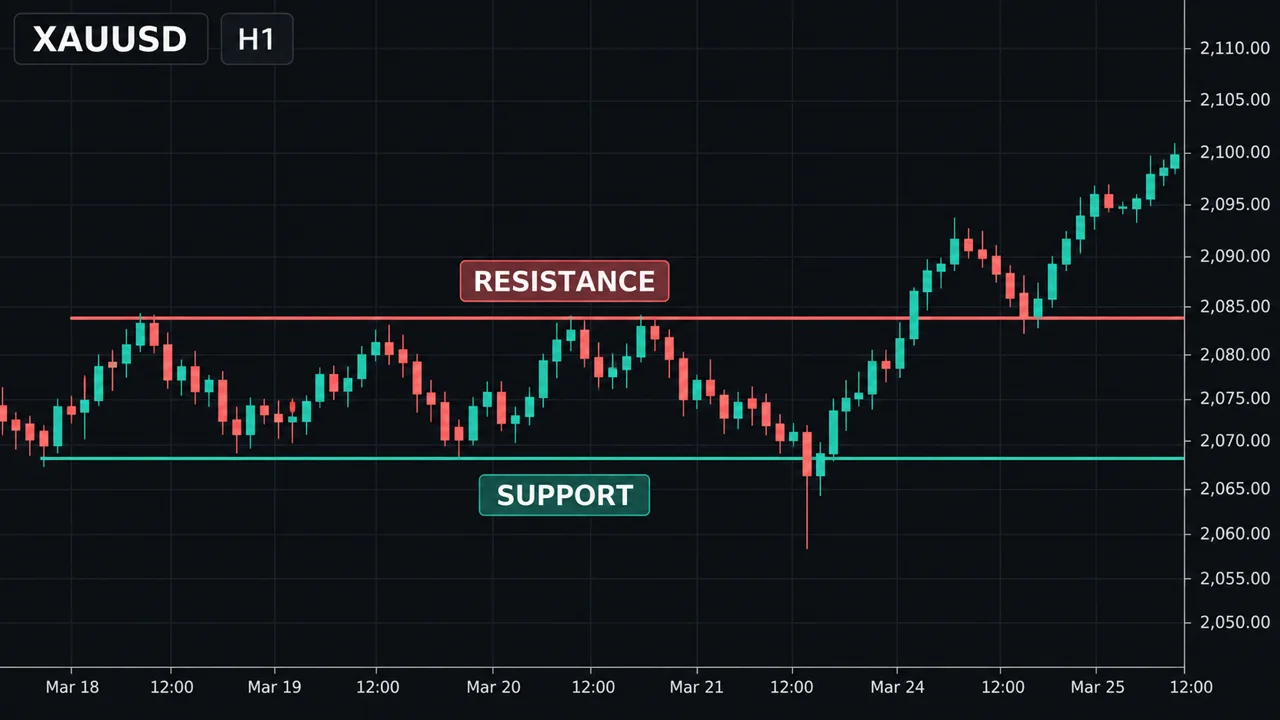
- รอราคาย่อ: ในขาขึ้นรอราคาย่อลงมาที่แนวรับเดิม เส้นค่าเฉลี่ย หรือโซนฟีโบนัชชี
- จุดเข้า: เมื่อมีสัญญาณยืนยันบน H4 เช่น แท่งเทียนกลับตัว หรือราคาเบรกจุดสูงย่อยของช่วงย่อ
- จุดตัดขาดทุน: ใต้จุดต่ำของช่วงย่อ บวกระยะเผื่อเล็กน้อย (การวาง SL)
- จุดออก: ที่จุดสูงเดิมหรือแนวต้านถัดไป หรือใช้ Trailing Stop ตามจุดต่ำใหม่ของ H4
- ทบทวนวันละครั้ง: ไม่แก้แผนกลางวันเพราะเห็นราคาแกว่ง
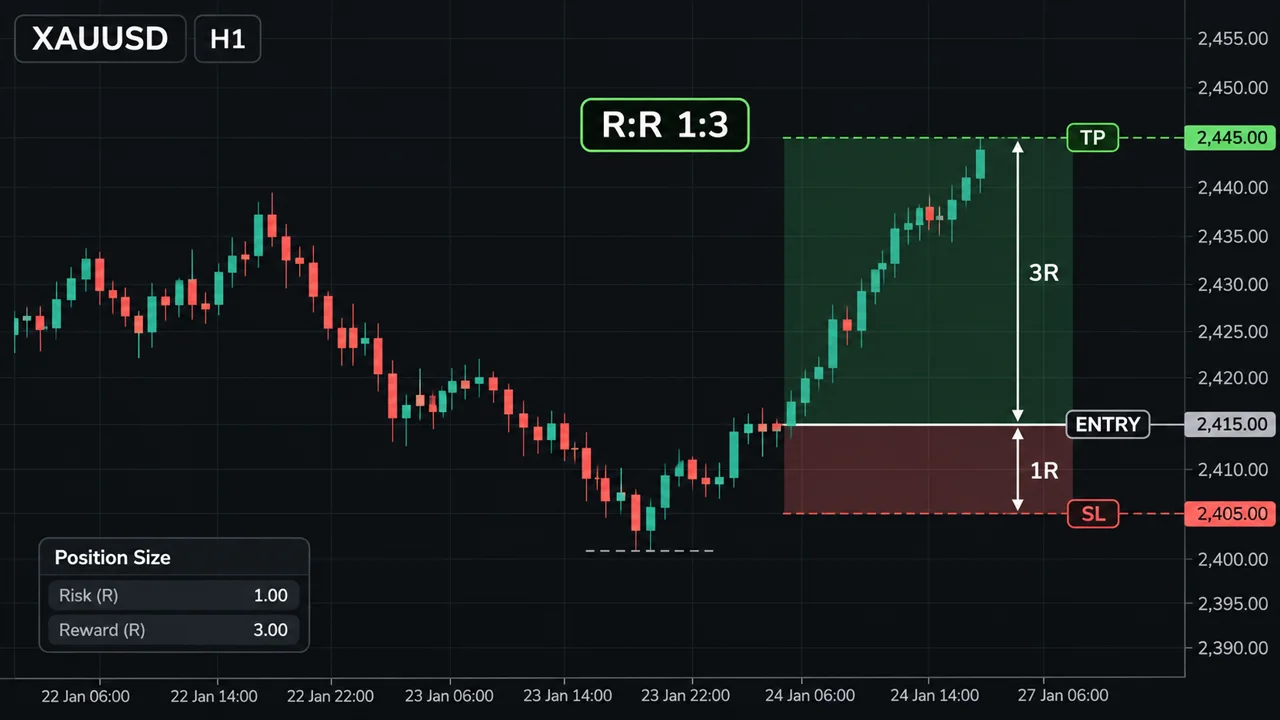
ยอมเสีย 1% = $50 ต่อไม้ SL ห่าง 80 pip EURUSD 1 ล็อต = $10 ต่อ pip ดังนั้น ล็อต = $50 ÷ (80 × $10) = 0.0625 ปัดลงเป็น 0.06 ล็อต ความเสี่ยงจริง = 80 × $0.60 = $48 เป้า 160 pip (2 เท่าของ SL) ได้ 160 × $0.60 = $96 สมมติว่าค่าสวอปของฝั่งที่ถือคือ −$0.60 ต่อคืนที่ 0.06 ล็อต ถือ 5 คืน = −$3.00 ผลถ้าถึงเป้า $96 − $3 = $93 ก่อนหักสเปรด สังเกตว่าล็อตต้องปัดลง ไม่ใช่ปัดขึ้น เพื่อไม่ให้ความเสี่ยงเกินที่ตั้งไว้
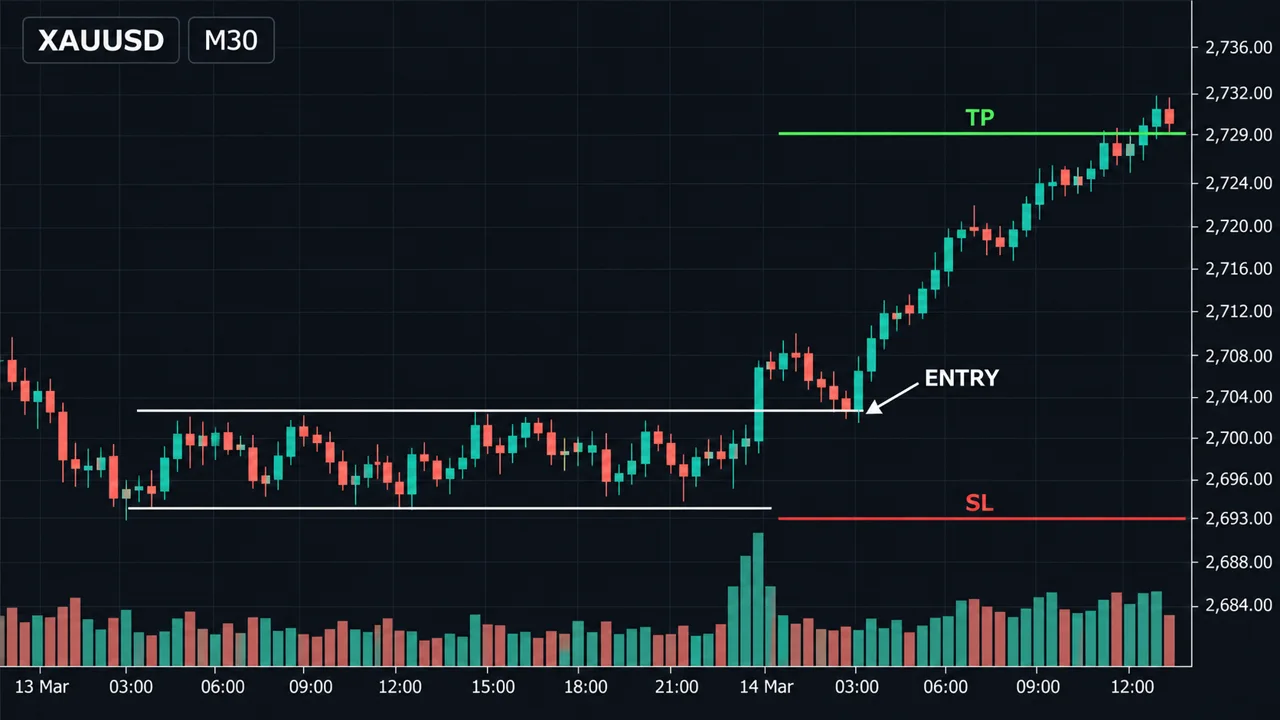
ดูภาพด้านล่าง
ค่าสวอปและความเสี่ยงสุดสัปดาห์
ทุกไม้ที่ถือข้ามเวลาตัดรอบของโบรก จะถูกคิดหรือได้รับค่าสวอปตามส่วนต่างดอกเบี้ยของสองสกุลเงินบวกส่วนบวกของโบรก บางวันในสัปดาห์คิดสามเท่าเพื่อครอบคลุมวันหยุด ควรเปิดดูค่าสวอปของสัญลักษณ์นั้นในหน้าข้อมูลสัญญา (Specification) ก่อนเข้าไม้ (อ่าน สเปรด สวอป และค่าคอมมิชชัน)
ช่วงสุดสัปดาห์ตลาดปิด ถ้ามีข่าวใหญ่ ราคาเปิดวันจันทร์อาจห่างจากราคาปิดวันศุกร์ ทำให้ SL ถูกปิดที่ราคาแย่กว่าที่ตั้งไว้ นักสวิงบางคนจึงลดล็อตหรือปิดบางส่วนก่อนสุดสัปดาห์
จุดอ่อน / ข้อผิดพลาดที่พบบ่อย
- ดูกราฟเล็กเกินไประหว่างถือ: เปิด M5 ดูแล้วตกใจกับการแกว่งปกติ จึงปิดไม้ก่อนเวลา ทั้งที่แผนอิง D1
- SL แคบเกินกรอบเวลา: ใช้ SL แบบเดย์เทรดกับไม้สวิง ทำให้โดนกวาดด้วยการแกว่งธรรมดา
- ล็อตเท่าเดิมแม้ SL กว้างขึ้น: ความเสี่ยงต่อไม้จะพุ่งโดยไม่รู้ตัว ต้องคำนวณล็อตใหม่ทุกไม้
- ลืมค่าสวอป: ไม้ที่ถือนานในฝั่งที่สวอปติดลบอาจเสียเงินมากกว่าที่คิด
- ราคากระโดดและข่าว: SL ไม่ได้รับประกันราคาปิด ช่วงเปิดตลาดหรือข่าวแรงอาจปิดแย่กว่าที่ตั้ง
- ไม้น้อย ผลแกว่ง: สวิงเทรดอาจมีแค่ไม่กี่ไม้ต่อเดือน ผลรายเดือนจึงสุ่มสูง ต้องประเมินจากไม้จำนวนมากพอ ไม่ใช่เดือนเดียว
ถ้าวางแผนจะซื้อที่แนวรับ ให้ตั้ง Buy Limit พร้อม SL/TP ไว้เลย แล้วไม่ต้องเฝ้าจอ ถ้าราคาไม่มาถึงก็ไม่มีไม้ ซึ่งก็คือผลลัพธ์ที่ยอมรับได้
ใช้บนมือถือ
สวิงเทรดเป็นสไตล์ที่เข้ากับมือถือที่สุดสไตล์หนึ่ง เพราะกราฟ H4/D1 อ่านง่ายบนจอเล็ก และการตัดสินใจเกิดวันละครั้งหรือสองครั้ง ใช้คำสั่งรอและการแจ้งเตือนราคา ตรวจไม้วันละครั้งหลังแท่ง D1 ปิด และเลี่ยงการเปิดแอปดูกำไรขาดทุนบ่อย ๆ ซึ่งมักนำไปสู่การปิดไม้ด้วยอารมณ์
สรุป
- สวิงเทรดคือการถือไม้หลายวันเพื่อจับหนึ่งคลื่นของราคา บน H4/D1
- ใช้เวลาวันละไม่นาน เหมาะกับคนมีงานประจำ
- SL กว้างขึ้น จึงต้องคำนวณล็อตใหม่ทุกไม้และปัดลงเสมอ
- นับค่าสวอปและความเสี่ยงราคากระโดดช่วงสุดสัปดาห์เข้าไปในแผน
- ประเมินผลจากไม้จำนวนมาก ไม่ใช่ผลเดือนเดียว
Swing trading means holding trades from two or three days up to two or three weeks to catch one "swing" of price — for example, a pullback within an uptrend that turns back up into a new high. It is popular with people who have a job, because it does not require watching the screen all day. In exchange, you deal with things short-term traders avoid: overnight swap and gaps at the market open.
How swing trading works
Price does not move in straight lines; it moves in waves — up, pull back, up, pull back. A swing trader tries to enter as a pullback ends and exit as the next leg runs out of steam. The main charts are H4 and D1, with W1 for the big picture and sometimes H1 to refine the entry (multi-timeframe analysis).
Because the timeframes are larger, stops and targets are much wider than in day trading — for example 60–150 pips on EURUSD or $15–$50 on gold. Lot size must shrink accordingly so that risk per trade stays the same percentage.
Who it suits
- Time: 15–30 minutes a day, such as a morning check or a look after the daily candle closes. It suits people with a full-time job.
- Temperament: able to sit through normal back-and-forth without checking profit and loss every hour, and comfortable with a trade taking days to resolve.
- Account size: you need enough capital to use wide stops while still risking about 0.5–2% per trade. Very small accounts may not manage it, because even the minimum 0.01 lot can already be too much risk.
- Costs: spread matters little relative to the target, but swap accumulates every night you hold.
Typical rules
- Find the trend on D1: read market structure — higher highs and higher lows, or lower highs and lower lows.
- Wait for the pullback: in an uptrend, wait for price to retrace to old support, a moving average, or a Fibonacci zone.
- Entry: on a confirmation on H4, such as a reversal candle or a break of the pullback's minor high.
- Stop loss: below the low of the pullback plus a small buffer (stop-loss placement).
- Exit: at the previous high or the next resistance, or with a trailing stop under each new H4 swing low.
- Review once a day: do not rewrite the plan mid-day because price wiggled.
Risk 1% = $50 per trade, stop 80 pips away. EURUSD 1.00 lot = $10 per pip, so lot = $50 ÷ (80 × $10) = 0.0625, rounded down to 0.06 lot. Actual risk = 80 × $0.60 = $48. Target 160 pips (twice the stop): 160 × $0.60 = $96. Suppose swap on the side you hold is −$0.60 per night at 0.06 lot; five nights = −$3.00. Result if the target is hit: $96 − $3 = $93 before spread. Note that the lot is rounded down, never up, so risk never exceeds your plan.
See the charts below.
Swap and weekend risk
Every position held past the broker's daily rollover is charged or credited swap, based on the interest-rate difference between the two currencies plus the broker's markup. One day of the week is usually charged triple to cover the weekend. Check the symbol's swap in its contract specification before entering (see spread, swap and commission).
The market is closed at the weekend. If big news lands, Monday can open far from Friday's close, and a stop can be filled at a worse price than you set. Some swing traders cut size or take partial profit before the weekend for this reason.
Weaknesses and common mistakes
- Watching tiny charts while holding: opening M5 and panicking at normal noise, then closing early even though the plan was built on D1.
- Day-trading stops on swing trades: too tight for the timeframe, so ordinary swings take you out.
- Same lot with a wider stop: risk per trade balloons without you noticing. Recalculate the lot for every trade.
- Forgetting swap: long holds on the negative-swap side can cost more than expected.
- Gaps and news: a stop does not guarantee the fill price. Opens and big releases can fill you worse.
- Few trades, noisy results: you may take only a handful of trades a month, so monthly results are very random. Judge the method over many trades, not one month.
If your plan is to buy at support, place a buy limit with the stop and target already attached and walk away. If price never gets there, there is no trade — which is an acceptable outcome.
On a phone
Swing trading is one of the most phone-friendly styles: H4/D1 charts are easy to read on a small screen, and decisions happen once or twice a day. Use pending orders and price alerts, review once after the daily candle closes, and avoid opening the app to watch floating profit — that habit leads to emotional exits.
Summary
- Swing trading holds positions for days to catch one wave of price, on H4/D1.
- It needs little daily time, which suits people with a job.
- Wider stops mean recalculating the lot every trade and always rounding down.
- Include swap and weekend gap risk in the plan.
- Judge results over many trades, not a single month.