การเทรดระยะยาว (Position Trading)Position Trading
ถือไม้เป็นสัปดาห์ถึงเป็นเดือนตามเทรนด์ใหญ่และปัจจัยพื้นฐาน ต้องใช้ทุนเท่าไร ค่าสวอปสะสมแค่ไหน และพลาดตรงไหนบ่อยHolding trades for weeks to months on big trends and fundamentals — the capital it needs, how swap adds up, and where it usually goes wrong.
ในบทความนี้ · 7
In this article · 7
การเทรดระยะยาว (Position Trading) คือการถือไม้เป็นหลายสัปดาห์จนถึงหลายเดือน เพื่อจับเทรนด์ใหญ่ที่มักมีเหตุผลจากปัจจัยพื้นฐาน เช่น ทิศทางดอกเบี้ยของธนาคารกลาง หรือแรงซื้อทองคำในภาวะที่ตลาดกังวล สไตล์นี้ใช้เวลาหน้าจอน้อยที่สุด แต่ต้องการความอดทนและทุนมากที่สุดในบรรดาสไตล์ที่พูดถึงในหมวดนี้
เทรดระยะยาวคืออะไร
นักเทรดระยะยาวสนใจภาพที่กราฟ D1, W1 และ MN แสดง ไม่สนใจการแกว่งรายวัน เขามักเริ่มจากคำถามเชิงพื้นฐาน (การวิเคราะห์ปัจจัยพื้นฐาน) เช่น "ดอกเบี้ยสหรัฐฯ อยู่ในรอบขึ้นหรือลง" แล้วใช้กราฟเพื่อหาจังหวะเข้าที่ความเสี่ยงสมเหตุสมผล เมื่อเข้าแล้ว จะปล่อยให้เทรนด์ทำงาน และขยับจุดตัดขาดทุนตามช้า ๆ
เพราะการแกว่งในกรอบเวลาสัปดาห์หรือเดือนกว้างมาก SL จึงอาจห่างหลายร้อย pip ใน EURUSD หรือหลายสิบดอลลาร์ในทองคำ ขนาดล็อตจึงต้องเล็กมากเมื่อเทียบกับทุน
เหมาะกับใคร
- เวลา: เช็กสัปดาห์ละครั้งหรือสองครั้งก็พอ เหมาะกับคนที่ไม่มีเวลาดูจอในวันทำงานเลย
- นิสัย: อดทนสูงมาก ไม่ตกใจเมื่อกำไรที่ลอยอยู่ (Floating) หายไปครึ่งหนึ่งระหว่างทาง และยอมรับว่าอาจมีหลายเดือนที่ไม่มีไม้ใหม่
- ขนาดบัญชี: ต้องการทุนมากกว่าสไตล์อื่น เพราะ SL กว้าง ถ้าทุนน้อย แม้ล็อตต่ำสุด 0.01 ก็อาจเสี่ยงเกิน 2% ต่อไม้
- ต้นทุน: สเปรดแทบไม่มีผล แต่ค่าสวอปสะสมเป็นเดือน อาจเป็นต้นทุนหลักหรือเป็นรายได้เสริม ขึ้นกับฝั่งที่ถือ (Carry Trade)
กติกาแบบที่พบบ่อย
- มีเหตุผลเชิงพื้นฐาน: เขียนออกมาเป็นประโยคสั้น ๆ ว่าทำไมเทรนด์นี้น่าจะไปต่อ และอะไรที่จะทำให้เหตุผลนั้นผิด
- ยืนยันด้วยราคา: ราคาอยู่เหนือเส้นค่าเฉลี่ยระยะยาว เช่น 200 วัน หรือเบรกจุดสูงสุดในรอบหลายเดือน
- จุดเข้า: รอราคาย่อบนกราฟ D1 ไม่ไล่ซื้อหลังแท่งที่วิ่งแรง
- จุดตัดขาดทุน: ใต้จุดต่ำสำคัญบน W1 หรือใช้ระยะ 2–3 เท่าของ ATR รายสัปดาห์
- การออก: ไม่ตั้งเป้าตายตัว แต่เลื่อน SL ตามจุดต่ำใหม่ หรือออกเมื่อเหตุผลพื้นฐานเปลี่ยน
- ทยอยเพิ่ม (ถ้าทำ): เพิ่มเฉพาะเมื่อไม้แรกมีกำไรและ SL ของทั้งหมดรวมกันยังอยู่ในความเสี่ยงที่ยอมรับได้ (การทยอยเข้าออก)
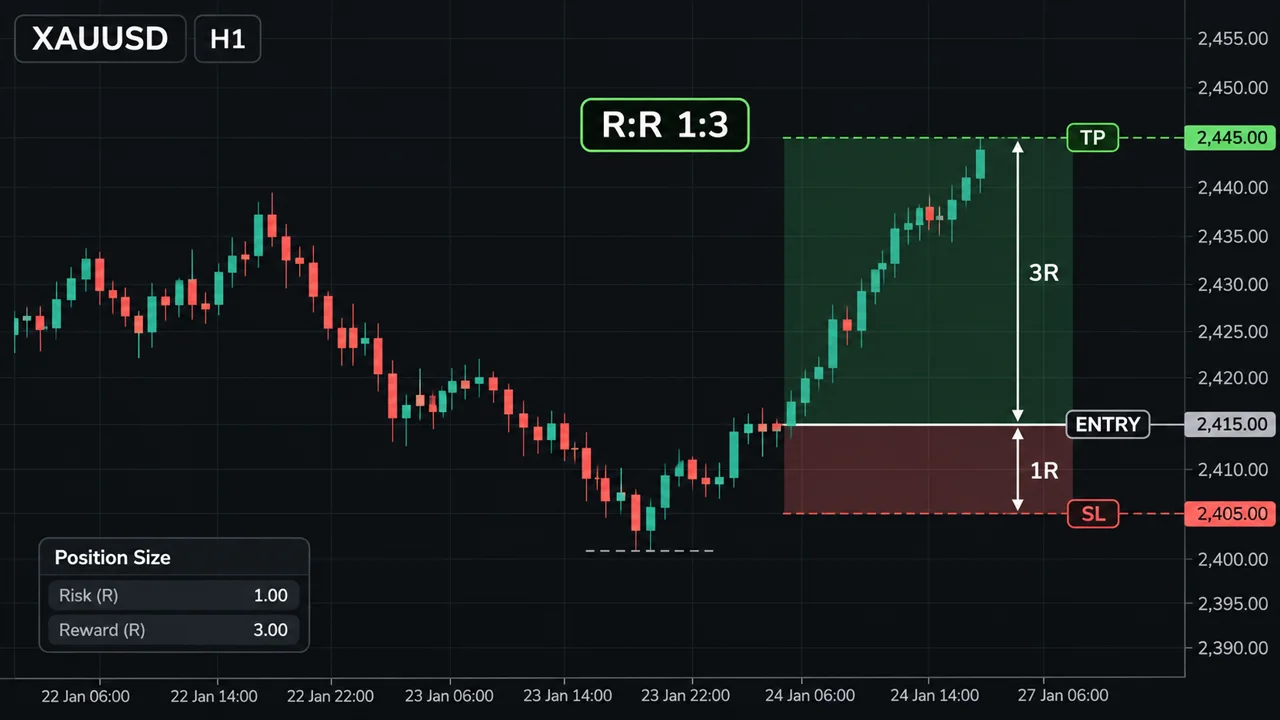
บัญชี $10,000 ยอมเสีย 1% = $100 ต่อไม้ เทรดทองคำ SL ห่าง $60 ล็อต = $100 ÷ ($60 × $100) = 0.0167 ปัดลงเป็น 0.01 ล็อต ความเสี่ยงจริง $60 สมมติค่าสวอปของฝั่งที่ถือ −$0.20 ต่อคืนที่ 0.01 ล็อต ถือ 60 คืน = −$12 ถ้าบัญชีมีแค่ $1,000 ไม้เดียวกันที่ 0.01 ล็อตเสี่ยง $60 = 6% ของทุน ซึ่งเกินกรอบ 1–2% ที่ใช้กันทั่วไปไปมาก ข้อสรุป: บัญชีเล็กต้องเลือก SL ที่แคบลง (ซึ่งอาจไม่เหมาะกับกรอบเวลาใหญ่) หรือรอให้ทุนโตก่อน
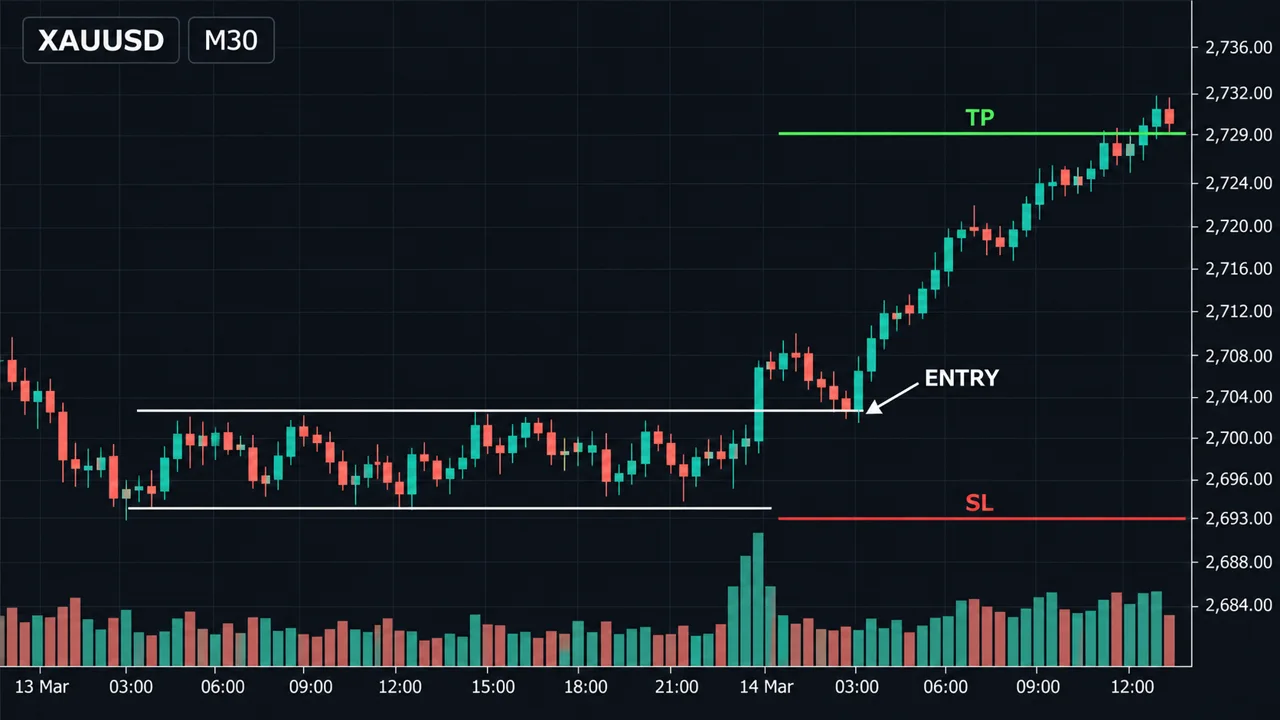
ดูภาพด้านล่าง
เลเวอเรจและมาร์จิ้นในไม้ที่ถือนาน
การถือนานหมายถึงมาร์จิ้นถูกใช้นาน ถ้าเปิดหลายไม้พร้อมกันในตลาดที่สัมพันธ์กัน เช่น ซื้อทองคำและขาย USD หลายคู่ ความเสี่ยงจริงอาจรวมเป็นก้อนเดียว (ความสัมพันธ์ของไม้) และการเคลื่อนไหวแรงครั้งเดียวอาจทำให้ระดับมาร์จิ้นลดจนถูกเรียกหลักประกัน (เลเวอเรจและ Margin Call) ควรใช้เลเวอเรจจริงต่ำ แม้บัญชีจะให้เลเวอเรจสูงก็ตาม
จุดอ่อน / ข้อผิดพลาดที่พบบ่อย
- ทุนติดนาน: เงินที่ใช้เป็นมาร์จิ้นและความเสี่ยงผูกอยู่หลายเดือน ไม่สามารถใช้ทำอย่างอื่นได้
- กำไรลอยหาย: เทรนด์ใหญ่มักมีการย่อลึก การเลื่อน SL ห่างพอที่จะอยู่รอดได้ หมายถึงยอมคืนกำไรบางส่วนเสมอ
- เหตุผลพื้นฐานเปลี่ยนแต่ไม่ยอมรับ: หลายคนยึดติดกับมุมมองเดิมแม้ข้อมูลเปลี่ยนแล้ว กลายเป็นการถือไม้ขาดทุนด้วยความเชื่อ
- ไม้น้อยมาก: ปีหนึ่งอาจมีไม่กี่ไม้ ทำให้วัดผลได้ยาก และผลถูกตัดสินด้วยไม่กี่เหตุการณ์
- ค่าสวอปติดลบสะสม: บางคู่ถือฝั่งเดียวหลายเดือนแล้วเสียค่าสวอปมากกว่าที่คิด ต้องเช็กก่อนเข้า
- ข่าวช็อกและราคากระโดด: ไม้ที่ถือนานผ่านเหตุการณ์ไม่คาดฝันหลายครั้ง SL อาจถูกปิดที่ราคาแย่กว่าที่ตั้ง
การเทรดระยะยาวเริ่มจากแผนตั้งแต่ก่อนเข้า ไม่ใช่การเปลี่ยนชื่อไม้สั้นที่ติดลบให้กลายเป็นไม้ยาว
ใช้บนมือถือ
สไตล์นี้ทำบนมือถือได้สบาย แต่ความท้าทายคือ "อย่าเปิดดูบ่อย" ตั้งการแจ้งเตือนราคาที่ระดับสำคัญ และกำหนดวันทบทวนประจำสัปดาห์ การวิเคราะห์ปัจจัยพื้นฐานอ่านจากข่าวบนมือถือได้ แต่ให้แยกข่าวรายวันที่เป็นเสียงรบกวนออกจากการเปลี่ยนแปลงเชิงโครงสร้าง
สรุป
- เทรดระยะยาวคือการถือไม้เป็นสัปดาห์ถึงเดือน ตามเทรนด์ใหญ่และเหตุผลพื้นฐาน
- ใช้เวลาน้อยที่สุด แต่ต้องการความอดทนและทุนมากที่สุด
- SL กว้างมาก ล็อตจึงต้องเล็ก บัญชีเล็กอาจคุมความเสี่ยงไม่ได้
- ค่าสวอปและมาร์จิ้นที่ผูกไว้นานคือต้นทุนจริง
- ออกเมื่อราคาหรือเหตุผลบอกว่าผิด ไม่ใช่ยึดติดกับมุมมองเดิม
Position trading means holding trades for weeks to months to ride large trends that usually have a fundamental reason behind them — a central bank's rate direction, for example, or demand for gold when markets are nervous. It needs the least screen time of any style in this category, but the most patience and the most capital.
How position trading works
A position trader cares about what D1, W1 and monthly charts show, not daily noise. They usually start with a fundamental question (fundamental analysis) such as "is the US rate cycle rising or falling?", then use the chart to find an entry where the risk makes sense. Once in, they let the trend work and move the stop slowly behind it.
Because swings on weekly and monthly charts are wide, stops can be several hundred pips on EURUSD or tens of dollars on gold. Lot size therefore has to be very small relative to the account.
Who it suits
- Time: a check once or twice a week is enough. It suits people who cannot look at a screen at all during the working day.
- Temperament: very patient, not rattled when half of a floating profit disappears along the way, and fine with months that bring no new trade.
- Account size: needs more capital than other styles because of the wide stops. With a small account, even the minimum 0.01 lot may risk more than 2% per trade.
- Costs: spread barely matters, but swap accumulates for months. It can be your main cost or a small income, depending on which side you hold (carry trade).
Typical rules
- Have a fundamental reason: write in one or two sentences why the trend should continue, and what would prove it wrong.
- Confirm with price: price above a long moving average such as the 200-day, or a break of a multi-month high.
- Entry: wait for a pullback on D1; do not chase after a big candle.
- Stop loss: beyond a major W1 swing, or 2–3 times the weekly ATR.
- Exit: no fixed target; trail the stop behind new swing lows, or exit when the fundamental reason changes.
- Adding (if you do): only when the first position is in profit and the combined stop of all positions stays within acceptable risk (scaling in and out).
Account $10,000, risk 1% = $100 per trade. Gold, stop $60 away. lot = $100 ÷ ($60 × $100) = 0.0167, rounded down to 0.01 lot; actual risk $60. Suppose swap on the side held is −$0.20 per night at 0.01 lot; 60 nights = −$12. With a $1,000 account, the same trade at 0.01 lot risks $60 = 6% of the account — far above the 1–2% most traders use. Conclusion: a small account must either use a tighter stop (which may not suit large timeframes) or wait until the account has grown.
See the charts below.
Leverage and margin on long holds
Long holds tie up margin for a long time. If you open several positions in related markets — buying gold and selling USD on several pairs, say — your real risk may be a single bet (correlation and exposure), and one sharp move can drop your margin level toward a margin call (leverage and margin call). Keep effective leverage low even if the account offers a lot.
Weaknesses and common mistakes
- Capital tied up: margin and risk are locked for months and cannot be used elsewhere.
- Giving back open profit: big trends have deep pullbacks. A stop wide enough to survive them means you always return part of the gain.
- Ignoring a changed thesis: many traders cling to their view after the data has turned, and the trade becomes a loss held on belief.
- Very few trades: a year may bring only a handful, so results are hard to judge and are decided by a few events.
- Accumulated negative swap: holding one side of some pairs for months can cost more than expected. Check before entering.
- Shocks and gaps: long holds pass through surprises; a stop may be filled worse than set.
Position trading starts with a plan before entry. Renaming a losing day trade a long-term hold is not a strategy.
On a phone
This style is easy on a phone. The challenge is not opening it too often. Set price alerts at key levels and pick one review day per week. You can follow fundamentals in the news on your phone, but separate daily noise from genuine structural change.
Summary
- Position trading holds for weeks to months, following large trends and fundamental reasons.
- It takes the least time but the most patience and capital.
- Stops are very wide, so lots must be small; small accounts may not be able to control risk.
- Swap and long-held margin are real costs.
- Exit when price or the reasoning says you are wrong — do not cling to an old view.