สเปรด สวอป และค่าคอมมิชชั่น (ต้นทุนการเทรด)Spread, Swap and Commission
เห็นต้นทุนที่ซ่อนอยู่ในทุกไม้ คำนวณเป็นเงินได้ และรู้ว่าสไตล์เทรดแบบไหนโดนต้นทุนกินมากที่สุดSee the hidden costs inside every trade, turn them into dollars, and learn which trading styles they hurt most.
ในบทความนี้ · 8
In this article · 8
ต้นทุนการเทรดไม่ได้มาเป็นใบแจ้งหนี้ แต่ถูกหักออกจากทุกไม้แบบเงียบ ๆ เทรดน้อยอาจไม่รู้สึก แต่เทรดถี่ ๆ ต้นทุนอาจกลายเป็นตัวที่ทำให้ระบบที่ดูดีบนกระดาษกลายเป็นขาดทุนจริง บทนี้จะแยกต้นทุนสามตัวหลัก และสอนวิธีคิดเป็นเงิน
สเปรด (Spread)
สเปรดคือส่วนต่างระหว่างราคา Ask (ราคาซื้อ) กับ Bid (ราคาขาย) ทุกไม้ต้องจ่ายสเปรดหนึ่งครั้ง เพราะคุณเข้าที่ราคาหนึ่งและออกที่อีกราคาหนึ่ง
ต้นทุนสเปรด = ขนาดสเปรด × มูลค่าต่อหน่วย × จำนวนล็อต
สเปรดไม่คงที่ จะกว้างขึ้นเมื่อ:
- ช่วงข่าวแรง ๆ ออก
- ช่วงเปลี่ยนวัน (ตามเวลาเซิร์ฟเวอร์โบรก) ที่สภาพคล่องต่ำ
- เช้าวันจันทร์ตอนตลาดเพิ่งเปิด
- สินทรัพย์ที่มีคนเทรดน้อย
สเปรดลอย (Floating) เปลี่ยนตามตลาด ส่วน สเปรดคงที่ (Fixed) โบรกกำหนดไว้ แต่มักกว้างกว่าในช่วงปกติ และบางครั้งก็ยังขยายได้ในภาวะผิดปกติ ขึ้นกับเงื่อนไขโบรก
ค่าคอมมิชชั่น (Commission)
บัญชีบางประเภท (มักเรียก Raw, ECN หรือ Zero) ให้สเปรดแคบมาก แต่เก็บค่าคอมมิชชั่นแยกเป็นเงินต่อล็อต มักคิดแบบไปกลับ (Round Turn) คือรวมทั้งตอนเปิดและปิด ตัวเลขต่างกันแต่ละโบรก ให้ดูในหน้าเงื่อนไขของบัญชีตัวเองเสมอ
วิธีเปรียบเทียบที่ถูก: แปลงทุกอย่างเป็น "ต้นทุนรวมต่อไม้" แล้วค่อยเทียบ ไม่ใช่ดูแค่สเปรดอย่างเดียว
สวอป (Swap / Overnight Fee)
สวอปคือค่าธรรมเนียมหรือเงินที่ได้รับเมื่อถือไม้ข้ามคืน (ผ่านเวลาตัดรอบของเซิร์ฟเวอร์) มาจากส่วนต่างดอกเบี้ยของสองสกุลเงินในคู่นั้น บวกกับส่วนที่โบรกบวกเพิ่ม
- สวอปของฝั่งซื้อ (Swap Long) กับฝั่งขาย (Swap Short) ไม่เท่ากัน
- ในหลายกรณีทั้งสองฝั่งติดลบ เพราะส่วนบวกของโบรก
- โดยทั่วไปฟอเร็กซ์จะคิดสวอปสามเท่าในหนึ่งวันของสัปดาห์ (มักเป็นวันพุธ) เพื่อชดเชยเสาร์อาทิตย์ แต่บางสินทรัพย์ใช้วันอื่น ให้เช็กใน Specification
- บัญชีแบบไม่มีสวอป (Swap-free) มีในบางโบรก แต่อาจมีค่าธรรมเนียมรูปแบบอื่นแทน
สมมติบัญชี $1,000 เทรดทอง 0.10 ล็อต สเปรดเฉลี่ย $0.25 ค่าคอมมิชชั่น $7 ต่อล็อตไปกลับ สเปรดต่อไม้ = 0.25 × $10 (0.10 ล็อต ขยับ $1 = $10) = $2.50 ค่าคอมต่อไม้ = $7 × 0.10 = $0.70 ต้นทุนรวมต่อไม้ = $3.20 เทรดเดือนละ 60 ไม้ = 60 × 3.20 = $192 = 19.2% ของพอร์ต $1,000 แปลว่าระบบต้องทำกำไรก่อนหักต้นทุนเกิน $192 ต่อเดือน แค่เพื่อให้เสมอตัว
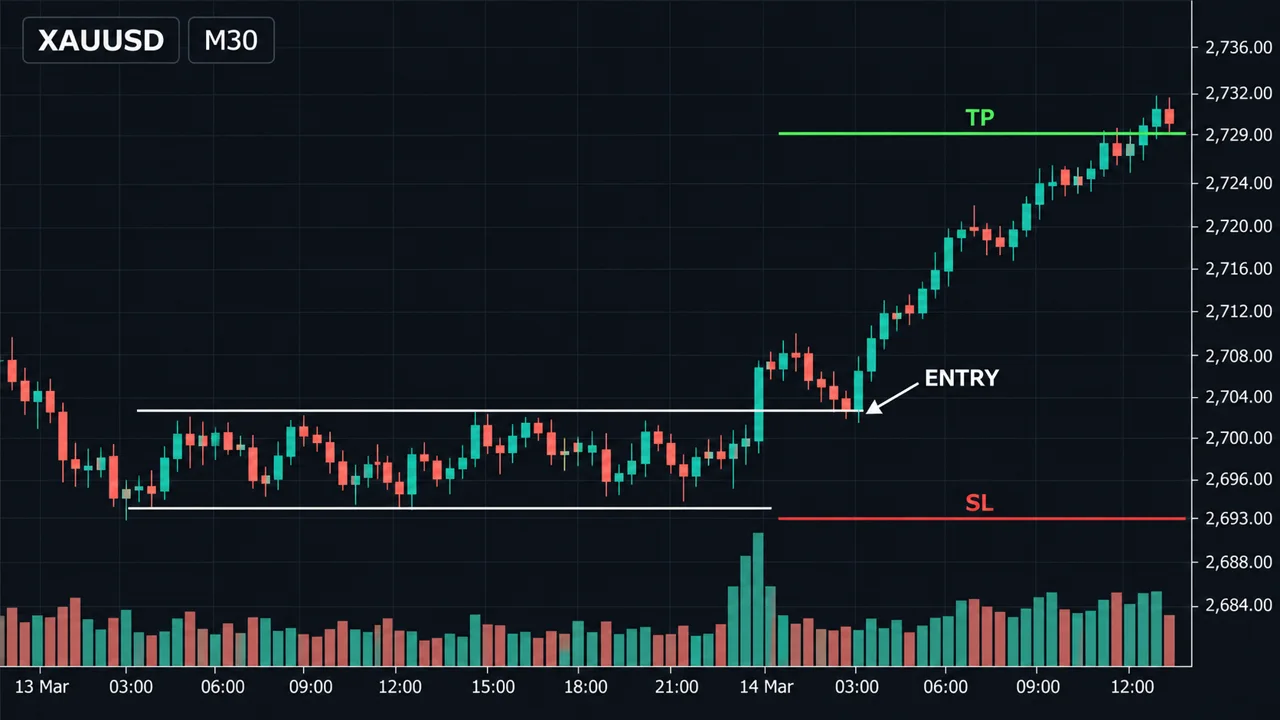
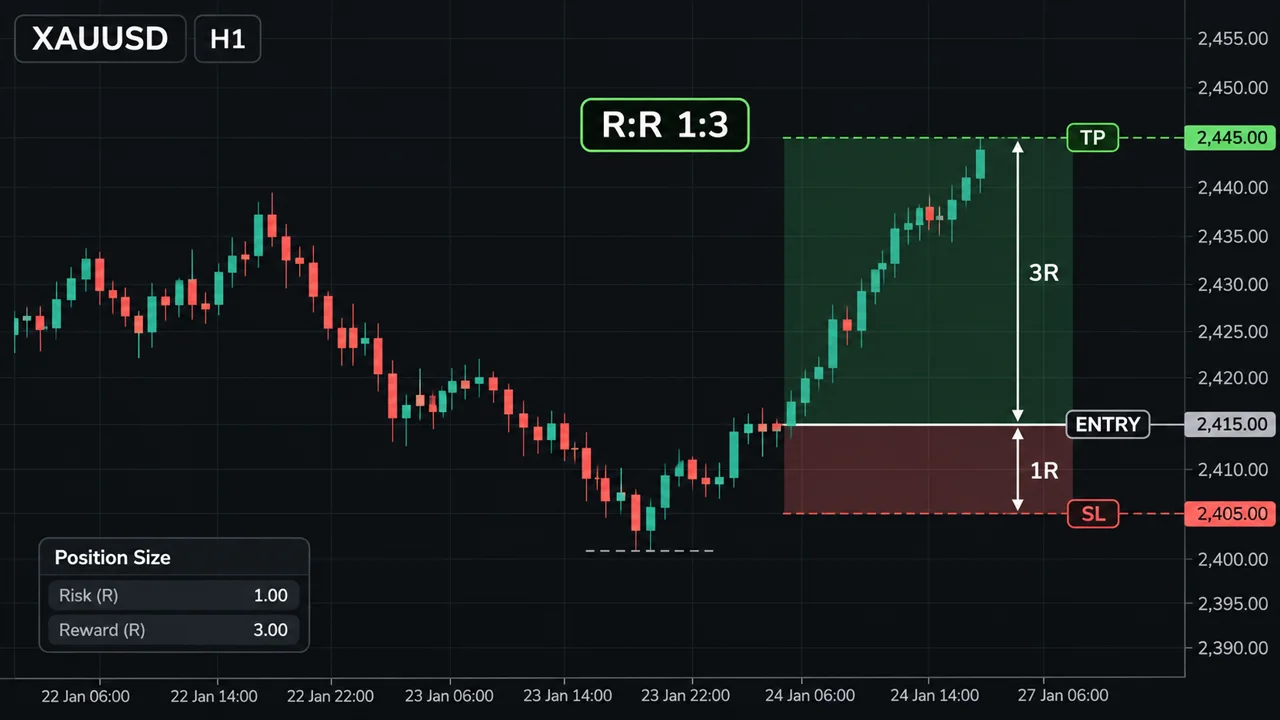
ดูภาพด้านล่าง
สมมติสวอปฝั่งซื้อของคู่หนึ่ง = −$5 ต่อล็อตต่อคืน ถือ 0.10 ล็อต = −$0.50 ต่อคืน ถือตั้งแต่จันทร์ถึงปิดไม้วันศุกร์ = ข้ามคืน 4 คืน (จันทร์ อังคาร พุธ พฤหัส) คืนวันพุธคิดสามเท่า → รวม 1 + 1 + 3 + 1 = 6 หน่วย สวอปรวม = 6 × $0.50 = −$3.00
ต้นทุนเทียบกับเป้ากำไร
ต้นทุนแต่ละไม้แทบเท่าเดิมไม่ว่าเป้ากำไรจะเท่าไร สิ่งที่เปลี่ยนคือ "สัดส่วน"
| สไตล์ | เป้าต่อไม้ (ทอง) | สเปรด $0.30 คิดเป็น |
|---|---|---|
| สแกลป์ (Scalping) | $3 | 10% ของเป้า |
| เดย์เทรด | $10 | 3% ของเป้า |
| สวิง (Swing) | $30 | 1% ของเป้า |
ยิ่งเป้าเล็ก ยิ่งต้องแม่นมากขึ้นเพื่อชนะต้นทุน นักสแกลป์จึงอ่อนไหวต่อต้นทุนมากที่สุด ส่วนนักสวิงต้องระวังสวอปแทน
วิธีลดต้นทุนที่ทำได้จริง
- เลือกประเภทบัญชีให้ตรงกับสไตล์ เทรดถี่ให้เทียบต้นทุนรวมของบัญชีสเปรดแคบ+คอม กับบัญชีสเปรดกว้างไม่มีคอม
- หลีกเลี่ยงเปิดไม้ช่วงเปลี่ยนวันและวินาทีที่ข่าวออก
- เทรดสินทรัพย์ที่มีสภาพคล่องสูงในเซสชันที่ตลาดคึกคัก
- ถ้าถือไม้หลายวัน ดูสวอปของทั้งสองฝั่งก่อนเข้า
- บันทึกต้นทุนจริงในบันทึกการเทรด (Journal) ทุกเดือน
จุดอ่อน / ข้อผิดพลาดที่พบบ่อย
- เทียบบัญชีจากสเปรดอย่างเดียว ลืมคอมมิชชั่น ทำให้เลือกบัญชีที่แพงกว่าจริง
- ทดสอบระบบโดยไม่ใส่ต้นทุน ผลย้อนหลังที่ไม่หักสเปรดและคอมดูดีเกินจริงเสมอ โดยเฉพาะระบบที่เทรดถี่
- ไม่รู้ว่าสวอปสามเท่าวันไหน เปิดไม้ก่อนเวลาตัดรอบวันนั้นแล้วโดนหักแบบไม่คาดคิด
- คิดว่าบัญชีไม่มีสวอปฟรีจริง หลายแห่งมีค่าธรรมเนียมแทน หรือจำกัดระยะเวลาถือ
- วาง SL ใกล้เกินโดยไม่คิดเผื่อสเปรดที่ขยายตัว โดยเฉพาะตอนเปลี่ยนวัน
ใช้บนมือถือ
ในแอป MT5 เปิดหน้า Quotes แบบละเอียดเพื่อดูสเปรดสด และเข้า Specification ของสัญลักษณ์เพื่อดู Swap Long, Swap Short และวันคิดสามเท่า ค่าคอมมิชชั่นกับสวอปที่จ่ายจริงจะแสดงในหน้า History ของแต่ละไม้ ลองรวมตัวเลขสองช่องนี้ตอนสิ้นเดือนดู
สรุป
- ต้นทุนหลักมีสามตัว: สเปรด ค่าคอมมิชชั่น สวอป
- เทียบบัญชีด้วย "ต้นทุนรวมต่อไม้" เสมอ
- เป้ากำไรยิ่งเล็ก ต้นทุนยิ่งกินสัดส่วนมาก
- สวอปมักคิดสามเท่าหนึ่งวันต่อสัปดาห์ เช็กวันใน Specification
- ทดสอบระบบทุกครั้งต้องหักต้นทุนจริง
Trading costs never arrive as a bill. They are quietly taken out of every trade. Trade rarely and you barely notice; trade often and costs can turn a system that looks fine on paper into a real loser. This lesson breaks down the three main costs and shows how to turn them into dollars.
Spread
The spread is the gap between the ask (buy price) and the bid (sell price). Every trade pays the spread once, because you enter at one price and exit at the other.
spread cost = spread size × value per unit × lots
Spreads are not constant. They widen:
- around major news releases
- at the daily rollover (broker server time), when liquidity is thin
- at the Monday open
- on thinly traded instruments
A floating spread moves with the market. A fixed spread is set by the broker, but it is usually wider in normal conditions and can still widen in abnormal ones, depending on the broker's terms.
Commission
Some account types (often called raw, ECN or zero) offer very tight spreads but charge a separate commission per lot, usually quoted round turn — covering both open and close. The amount varies by broker; always check your own account terms.
The right way to compare: turn everything into total cost per trade, then compare. Never look at spread alone.
Swap (overnight fee)
Swap is the fee charged — or occasionally credited — when you hold a trade past the server's daily rollover. It comes from the interest-rate difference between the two currencies plus the broker's markup.
- Swap long and swap short are different.
- Often both are negative because of the markup.
- In forex, swap is usually charged triple on one day of the week (often Wednesday) to cover the weekend, but some instruments use a different day — check the specification.
- Some brokers offer swap-free accounts, but they may charge other fees instead.
Suppose a $1,000 account trades gold at 0.10 lot, average spread $0.25, commission $7 per lot round turn. Spread per trade = 0.25 × $10 (0.10 lot, $1 move = $10) = $2.50 Commission per trade = $7 × 0.10 = $0.70 Total cost per trade = $3.20 60 trades a month = 60 × 3.20 = $192 = 19.2% of the $1,000 account The system must make more than $192 a month before costs just to break even.
See the charts below.
Suppose swap long on a pair = −$5 per lot per night. At 0.10 lot = −$0.50 per night. Open Monday, close Friday = 4 rollovers (Monday, Tuesday, Wednesday, Thursday nights). Wednesday is charged triple → 1 + 1 + 3 + 1 = 6 units. Total swap = 6 × $0.50 = −$3.00
Costs versus your profit target
Cost per trade stays roughly the same whatever your target is. What changes is the proportion.
| Style | Target per trade (gold) | A $0.30 spread is |
|---|---|---|
| Scalping | $3 | 10% of target |
| Day trading | $10 | 3% of target |
| Swing trading | $30 | 1% of target |
The smaller the target, the more accurate you must be to beat costs. Scalpers are the most cost-sensitive; swing traders need to watch swap instead.
Practical ways to cut costs
- Match the account type to your style. If you trade often, compare the total cost of a tight-spread-plus-commission account with a wider-spread, no-commission one.
- Avoid opening trades at rollover and in the seconds around news.
- Trade liquid instruments during active sessions.
- If you hold for days, check swap on both sides before entering.
- Record real costs in your trading journal every month.
Weaknesses / common mistakes
- Comparing accounts by spread alone, forgetting commission, and picking the more expensive one.
- Testing a system without costs. Backtests without spread and commission always look better than reality, especially for high-frequency systems.
- Not knowing the triple-swap day, and getting an unexpected charge.
- Assuming swap-free means free. Many charge a fee instead or limit holding time.
- Stops too tight for a widening spread, especially at rollover.
On a phone
In MT5, use the detailed Quotes view for the live spread, and open a symbol's Specification for swap long, swap short and the triple-swap day. The commission and swap you actually paid appear per trade on the History screen — add them up at the end of each month.
Summary
- The three main costs: spread, commission and swap.
- Always compare accounts by total cost per trade.
- The smaller your target, the bigger the share costs take.
- Swap is usually tripled one day a week — check the day in the specification.
- Every system test must include realistic costs.