ช่วงเวลาตลาดเปิด (Trading Sessions) ตามเวลาไทยTrading Sessions and Market Hours
รู้ว่าตลาดเอเชีย ลอนดอน และนิวยอร์กเปิดกี่โมงตามเวลาไทย และแต่ละช่วงราคามีนิสัยต่างกันอย่างไรKnow when the Asian, London and New York sessions run, and how price tends to behave differently in each.
ในบทความนี้ · 8
In this article · 8
ฟอเร็กซ์และทองคำซื้อขายได้เกือบ 24 ชั่วโมงในวันจันทร์ถึงศุกร์ แต่ไม่ได้แปลว่าทุกชั่วโมงเหมือนกัน บางช่วงราคานิ่งจนแทบไม่ขยับ บางช่วงวิ่งแรงจนตามไม่ทัน การรู้จักช่วงเวลาตลาด (Trading Sessions) ช่วยให้คุณเลือกเวลาเทรดที่ตรงกับสไตล์ และไม่เปิดไม้ในช่วงที่ต้นทุนแพงโดยไม่จำเป็น
ทำไมตลาดเปิดเกือบ 24 ชั่วโมง
ตลาดฟอเร็กซ์ไม่มีตลาดกลาง แต่เป็นเครือข่ายธนาคารทั่วโลก เมื่อศูนย์การเงินหนึ่งปิด อีกที่หนึ่งก็เปิด วนรอบโลกตั้งแต่ซิดนีย์ โตเกียว ลอนดอน ไปจนถึงนิวยอร์ก ช่วงที่ศูนย์ใหญ่เปิดพร้อมกัน คนเทรดมาก สภาพคล่องสูง สเปรดแคบ และราคามักขยับมากกว่า
เวลาของแต่ละเซสชัน (โดยประมาณ ตามเวลาไทย)
เวลาของยุโรปและสหรัฐฯ เลื่อนตามการปรับเวลาฤดูร้อน (Daylight Saving Time) ประเทศไทยไม่ปรับเวลา ตัวเลขด้านล่างจึงมีสองชุด และเป็นค่าประมาณ แต่ละแหล่งอาจต่างกันเล็กน้อย
| เซสชัน | ช่วงหนาว (เวลาไทย) | ช่วงร้อน (เวลาไทย) |
|---|---|---|
| ซิดนีย์ | ประมาณ 05:00–14:00 | ประมาณ 04:00–13:00 |
| โตเกียว | ประมาณ 07:00–16:00 | ประมาณ 07:00–16:00 |
| ลอนดอน | ประมาณ 15:00–24:00 | ประมาณ 14:00–23:00 |
| นิวยอร์ก | ประมาณ 20:00–05:00 | ประมาณ 19:00–04:00 |
ข้อสังเกต: ญี่ปุ่นไม่ปรับเวลาฤดูร้อน ส่วนออสเตรเลียปรับในทิศกลับกับซีกโลกเหนือ ตารางนี้จึงเป็นแค่จุดตั้งต้น ควรเช็กเวลาจริงในปีที่คุณเทรด
ช่วงที่ลอนดอนและนิวยอร์กเปิดทับกัน (ประมาณ 20:00–24:00 ในช่วงหนาว หรือ 19:00–23:00 ในช่วงร้อน ตามเวลาไทย) มักเป็นช่วงที่คึกคักที่สุดของวัน และเป็นช่วงที่ข่าวเศรษฐกิจสหรัฐฯ หลายตัวออก
นิสัยของราคาในแต่ละช่วง
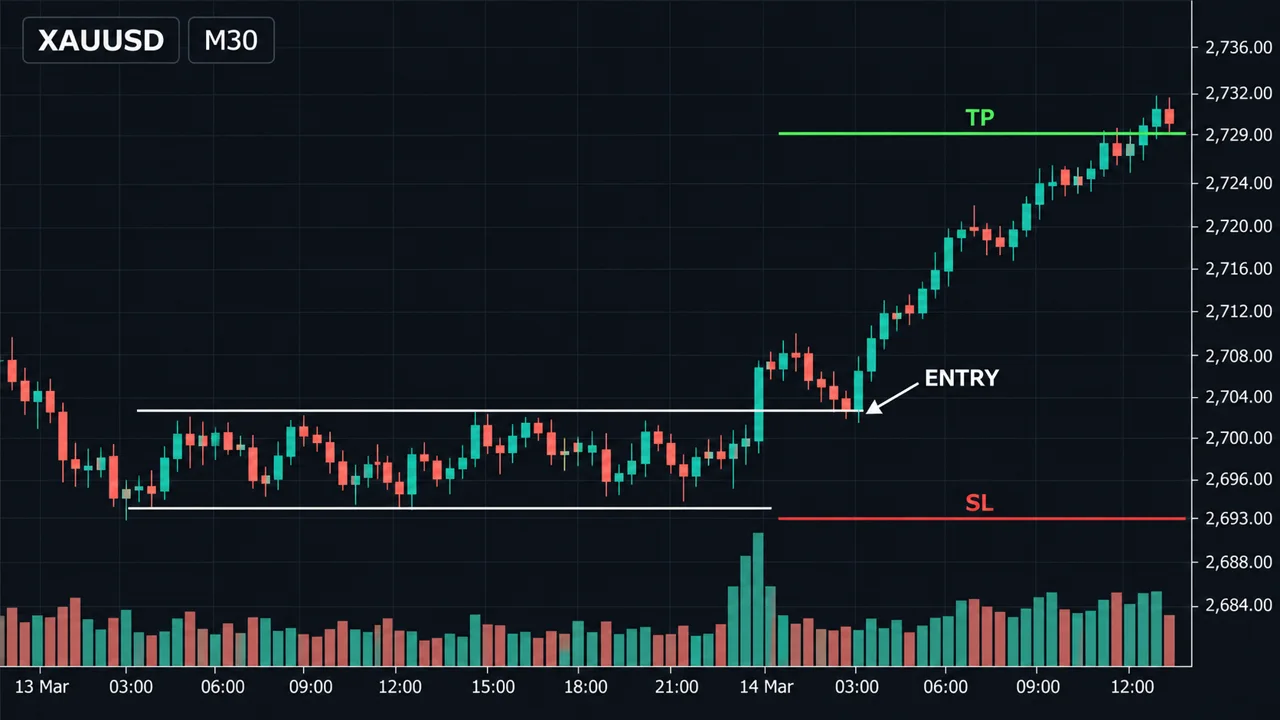
- เอเชีย (ซิดนีย์ + โตเกียว) ฟอเร็กซ์ส่วนใหญ่มักเคลื่อนไหวในกรอบแคบกว่า คู่เงินเยน (JPY) และดอลลาร์ออสเตรเลีย (AUD) อาจขยับมากกว่าคู่อื่น หลายคนใช้ช่วงนี้กำหนดกรอบราคาไว้รอดูการทะลุตอนลอนดอนเปิด
- ลอนดอน สภาพคล่องเพิ่มขึ้นมาก ราคามักเริ่มเลือกทิศทางของวัน ช่วงเปิดตลาดอาจมีการหลอกทะลุกรอบเอเชียก่อนวิ่งจริง ดู กลยุทธ์ London Breakout
- ช่วงทับซ้อนลอนดอน–นิวยอร์ก มักผันผวนสูงสุด ข่าวสหรัฐฯ ทำให้ทองและคู่ดอลลาร์วิ่งแรง
- ปลายนิวยอร์ก สภาพคล่องค่อย ๆ ลดลง ช่วงใกล้เปลี่ยนวันของเซิร์ฟเวอร์ สเปรดมักกว้างขึ้น
นี่คือแนวโน้มทั่วไป ไม่ใช่กฎตายตัว บางวันช่วงเอเชียวิ่งแรงกว่าลอนดอนก็ได้ โดยเฉพาะเมื่อมีข่าวสำคัญจากเอเชีย
เลือกเวลาเทรดให้เข้ากับชีวิต
คนไทยที่ทำงานกลางวันมีข้อได้เปรียบ เพราะช่วงลอนดอนและนิวยอร์กตรงกับช่วงเย็นถึงดึก วิธีคิด:
- ดูว่าคุณว่างจริงช่วงไหน แบบไม่ต้องรีบ
- เลือกเซสชันเดียวที่ตรงกับเวลานั้น แล้วเรียนรู้นิสัยของมันให้ลึก
- ถ้าเทรดสั้น ให้เลือกช่วงที่ราคาขยับพอจะชนะต้นทุน
- ถ้าต้องนอนก่อนข่าวใหญ่ ให้ปิดไม้หรือแน่ใจว่ามี SL ที่ยอมรับได้
บัญชี $3,000 ยอมเสีย 1% ต่อไม้ = $30 สมมติช่วงเอเชีย คุณใช้ SL ทองห่าง $6 เพราะราคาแกว่งแคบ ล็อต = 30 ÷ (6 × $100) = 0.05 ล็อต สมมติช่วงทับซ้อนลอนดอน–นิวยอร์ก ราคาแกว่งกว้างกว่า คุณใช้ SL ห่าง $15 ล็อต = 30 ÷ (15 × $100) = 0.02 ล็อต ความเสี่ยงเป็นเงินเท่ากัน $30 แต่ขนาดไม้ต่างกัน เพราะความผันผวนต่างกัน
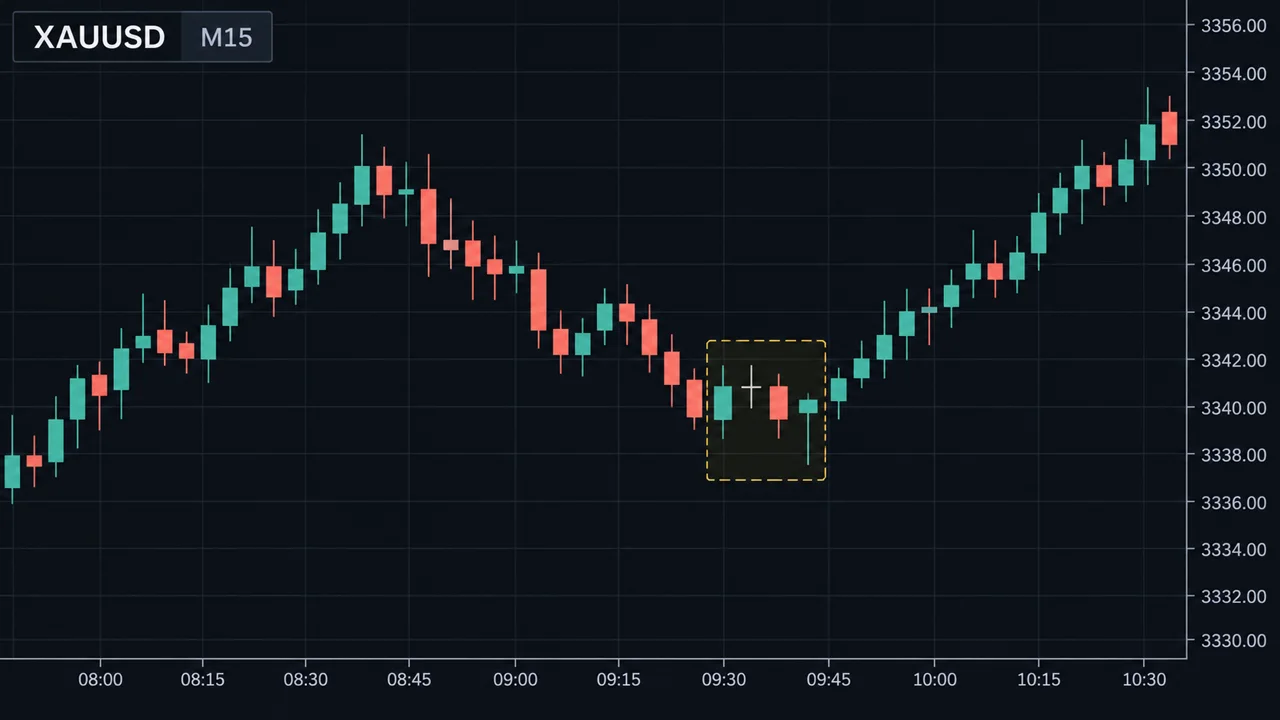
ดูภาพด้านล่าง
วันหยุดและสัปดาห์พิเศษ
- วันหยุดของอังกฤษหรือสหรัฐฯ ทำให้สภาพคล่องลดลงแม้ตลาดยังเปิด
- ช่วงปลายปีและวันก่อนหยุดยาว ราคาอาจนิ่งผิดปกติหรือกระตุกแรงจากสภาพคล่องที่บาง
- ตลาดปิดเสาร์–อาทิตย์ ราคาตอนเปิดวันจันทร์อาจกระโดดห่างจากราคาปิดวันศุกร์ (Weekend Gap)
จุดอ่อน / ข้อผิดพลาดที่พบบ่อย
- จำเวลาผิดเพราะลืมเวลาฤดูร้อน เวลาลอนดอนและนิวยอร์กตามเวลาไทยเลื่อนไปหนึ่งชั่วโมงปีละสองครั้ง
- สับสนเวลาเซิร์ฟเวอร์กับเวลาไทย กราฟใน MT4/MT5 แสดงเวลาเซิร์ฟเวอร์ของโบรก ซึ่งมักไม่ใช่เวลาไทย
- คิดว่าช่วงคึกคักคือช่วงที่ดีกว่าเสมอ ผันผวนสูงแปลว่าขาดทุนเร็วได้เท่ากับกำไรเร็ว
- เทรดช่วงเปลี่ยนวัน สเปรดกว้างอาจกิน SL แคบ ๆ ได้
- เทรดทุกเซสชันเพราะตลาดเปิด ความเหนื่อยทำให้การตัดสินใจแย่ลง
ใช้บนมือถือ
ตั้งนาฬิกาโลกในโทรศัพท์ไว้สามเมือง: กรุงเทพฯ ลอนดอน นิวยอร์ก จะเห็นทันทีว่าตอนนี้เป็นช่วงไหน และเช็กว่าเวลาเซิร์ฟเวอร์ของโบรกห่างจากเวลาไทยกี่ชั่วโมง โดยเทียบเวลาแท่งเทียนล่าสุดในแอปกับนาฬิกาเครื่อง จดตัวเลขนี้ไว้ จะได้อ่านเวลาบนกราฟถูก
สรุป
- ตลาดเปิดวนรอบโลก ช่วงที่ศูนย์ใหญ่เปิดพร้อมกันมักคึกคักที่สุด
- ช่วงลอนดอน–นิวยอร์กทับกัน ตรงกับหัวค่ำถึงเที่ยงคืนตามเวลาไทย
- เวลาเปลี่ยนตามฤดูร้อนของยุโรปและสหรัฐฯ ต้องเช็กทุกปี
- ปรับขนาดไม้ตามความผันผวน ให้ความเสี่ยงเป็นเงินคงที่
- เลือกเซสชันที่ตรงกับชีวิตจริง แล้วศึกษาให้ลึก
Forex and gold trade almost 24 hours a day, Monday to Friday — but not every hour is the same. Some hours are so quiet that price barely moves; others move faster than you can follow. Knowing the trading sessions helps you choose hours that suit your style and avoid paying higher costs for no reason.
Why the market is open almost 24 hours
Forex has no central exchange. It is a global network of banks. When one financial centre closes another opens, rolling around the world from Sydney to Tokyo, London and New York. When major centres are open at the same time, more people trade, liquidity is deeper, spreads are tighter, and price usually moves more.
Session times (approximate, in UTC)
European and US times shift with daylight saving time. The numbers below are approximate and sources differ slightly. Thai readers add 7 hours to UTC.
| Session | Northern winter (UTC) | Northern summer (UTC) |
|---|---|---|
| Sydney | about 22:00–07:00 | about 21:00–06:00 |
| Tokyo | about 00:00–09:00 | about 00:00–09:00 |
| London | about 08:00–17:00 | about 07:00–16:00 |
| New York | about 13:00–22:00 | about 12:00–21:00 |
Note that Japan does not use daylight saving, and Australia shifts in the opposite direction to the northern hemisphere. Treat the table as a starting point and check the real times in the year you trade.
The London–New York overlap (about 13:00–17:00 UTC in northern winter, 12:00–16:00 in summer) is often the busiest part of the day, and many US economic releases land inside it.
How price tends to behave in each session
- Asia (Sydney + Tokyo): most forex pairs tend to move in narrower ranges. Yen (JPY) and Australian dollar (AUD) pairs may move more than others. Many traders use this session to mark a range and watch for a break at the London open.
- London: liquidity jumps and price often starts to choose the day's direction. The open can feature a fake break of the Asian range before the real move. See London Breakout.
- London–New York overlap: often the most volatile window. US data can move gold and dollar pairs sharply.
- Late New York: liquidity fades. Near the server's daily rollover, spreads often widen.
These are general tendencies, not fixed rules. Some days Asia moves more than London, especially when there is major Asian news.
Choosing hours that fit your life
Someone in Thailand with a day job has an advantage: London and New York fall in the evening. A simple process:
- Note when you are genuinely free, without rushing.
- Pick one session that matches, and learn its habits in depth.
- If you trade short-term, pick hours when price moves enough to beat your costs.
- If you must sleep before major news, close the trade or make sure the stop is a loss you accept.
$3,000 account risking 1% per trade = $30. Suppose in the Asian session you use a gold stop $6 away because price is ranging tightly. Lots = 30 ÷ (6 × $100) = 0.05 lot Suppose in the London–New York overlap price swings wider, so you use a stop $15 away. Lots = 30 ÷ (15 × $100) = 0.02 lot The dollar risk is the same $30; the trade size differs because the volatility differs.
See the chart below.
Holidays and special weeks
- UK or US holidays thin out liquidity even though the market is open.
- Year-end and the days before long holidays can be unusually quiet, or jumpy because liquidity is thin.
- The market closes at the weekend, and Monday's open can gap away from Friday's close (a weekend gap).
Weaknesses / common mistakes
- Getting times wrong after a daylight-saving change. London and New York shift by an hour against non-DST countries twice a year.
- Confusing server time with local time. MT4/MT5 charts show the broker's server time, which is usually not your local time.
- Assuming busy always means better. High volatility means losses can come as fast as gains.
- Trading the rollover. Wide spreads can eat a tight stop.
- Trading every session because the market is open. Fatigue worsens decisions.
On a phone
Add three cities to your phone's world clock — your own city, London and New York — so you can see the current session at a glance. Then compare the time of the latest candle in your app with your phone clock to find the gap between broker server time and local time. Write that number down so you read chart times correctly.
Summary
- The market rolls around the world; it is usually busiest when big centres overlap.
- The London–New York overlap is about 13:00–17:00 UTC in northern winter.
- European and US times move with daylight saving; recheck every year.
- Size trades to volatility so your dollar risk stays constant.
- Choose a session that fits your real life and study it deeply.