ลอนดอนเบรกเอาต์ (London Breakout)London Breakout
ใช้กรอบราคาช่วงเอเชียเป็นจุดอ้างอิง แล้วเทรดการเบรกตอนตลาดลอนดอนเปิด เวลาไทยที่ต้องรู้ วิธีวางคำสั่ง และกรณีโดนหลอกสองฝั่งUsing the Asian-session range as a reference and trading its break at the London open — the Thai-time schedule, order placement, and the double-fakeout case.
ในบทความนี้ · 7
In this article · 7
ลอนดอนเบรกเอาต์ (London Breakout) เป็นกลยุทธ์เบรกเอาต์แบบมีเวลากำกับที่นิยมมากในตลาดฟอเร็กซ์และทองคำ แนวคิดคือช่วงตลาดเอเชียราคามักวิ่งในกรอบแคบ เมื่อตลาดลอนดอนซึ่งมีสภาพคล่องสูงเปิด ราคามักหลุดออกจากกรอบนั้นไปทางใดทางหนึ่ง กลยุทธ์นี้จึงตั้งคำสั่งรอไว้ทั้งเหนือและใต้กรอบเอเชีย แล้วให้ตลาดเป็นฝ่ายเลือกทาง
ทำไมช่วงลอนดอนเปิดจึงน่าสนใจ
ศูนย์กลางการซื้อขายเงินตราที่ใหญ่ที่สุดแห่งหนึ่งคือลอนดอน เมื่อนักเทรดฝั่งยุโรปเริ่มทำงาน ปริมาณการซื้อขายและความผันผวนมักเพิ่มขึ้นชัดเจนเมื่อเทียบกับช่วงเอเชีย (ช่วงเวลาตลาด) คำสั่งซื้อขายที่สะสมไว้ทั้งเหนือและใต้กรอบเอเชีย เช่น จุด SL ของคนอื่น อาจถูกกวาดและทำให้ราคาวิ่งแรงในช่วงนี้ ซึ่งเป็นทั้งโอกาสและกับดัก
เวลาที่ต้องรู้ (เวลาไทย)
ตลาดลอนดอนเปิดประมาณ 08:00 ตามเวลาท้องถิ่นของสหราชอาณาจักร ซึ่งเปลี่ยนตามเวลาฤดูร้อน
| ช่วงของปี (สหราชอาณาจักร) | ลอนดอนเปิด (เวลาไทย) |
|---|---|
| เวลาฤดูร้อน (ปลายมี.ค.–ปลายต.ค.) | ประมาณ 14:00 |
| เวลาฤดูหนาว (ปลายต.ค.–ปลายมี.ค.) | ประมาณ 15:00 |
"กรอบเอเชีย" นิยามได้หลายแบบ เช่น จุดสูงต่ำตั้งแต่ 07:00 ถึงก่อนลอนดอนเปิดตามเวลาไทย สิ่งสำคัญคือกำหนดให้ชัดและใช้แบบเดียวตลอด เวลาของแท่งเทียนบนแพลตฟอร์มคือเวลาเซิร์ฟเวอร์ของโบรก ซึ่งมักไม่ใช่เวลาไทย ต้องแปลงให้ถูก
กติกาแบบที่พบบ่อย
- มาร์กกรอบเอเชีย: จุดสูงสุดและต่ำสุดของช่วงเวลาที่กำหนด
- ตัวกรองขนาดกรอบ: ถ้ากรอบกว้างผิดปกติ (เช่น เกินครึ่งหนึ่งของ ATR รายวัน) หลายคนข้ามวันนั้น เพราะพลังส่วนหนึ่งถูกใช้ไปแล้ว ถ้าแคบมาก ระวังเบรกหลอก
- ตั้งคำสั่ง: Buy Stop เหนือจุดสูงเล็กน้อย Sell Stop ใต้จุดต่ำเล็กน้อย (เผื่อสเปรด)
- SL: กลางกรอบ หรือขอบอีกฝั่ง
- เป้า: 1–1.5 เท่าของความสูงกรอบ หรือแนวสำคัญถัดไป
- เมื่อฝั่งหนึ่งทำงาน: จะลบอีกฝั่ง หรือเก็บไว้เป็นการกลับทาง ต้องกำหนดล่วงหน้า
- หมดเวลา: ถ้าไม่มีฝั่งไหนทำงานภายในเวลาที่กำหนด (เช่น 3–4 ชั่วโมงหลังลอนดอนเปิด) ลบคำสั่งทั้งหมด
สมมติกรอบเอเชียของทองคำคือ 1,900–1,912 (สูง $12) กลางกรอบ 1,906 ตั้ง Buy Stop 1,913 และ Sell Stop 1,899 SL ของแต่ละฝั่งที่กลางกรอบ 1,906 → ความเสี่ยงฝั่งละ $7 ยอมเสีย 1% = $20 ล็อต = $20 ÷ ($7 × $100) = 0.0286 ปัดลงเป็น 0.02 ล็อต ความเสี่ยงจริง $7 × 2 = $14 เป้า 1 เท่าของกรอบ: ซื้อที่ 1,913 เป้า 1,925 ได้ $12 × 2 = $24 กรณีโดนหลอกสองฝั่ง: ราคาขึ้นไปเปิดไม้ซื้อแล้วร่วงลงมาโดน SL ที่ 1,906 (−$14) จากนั้นลงต่อไปเปิดไม้ขายที่ 1,899 แล้วเด้งกลับขึ้นไปโดน SL ที่ 1,906 อีก (−$14) รวม −$28 หรือ 1.4% ของทุนในวันเดียว จากไม้ที่วางแผนไว้เสี่ยงแค่ 1%
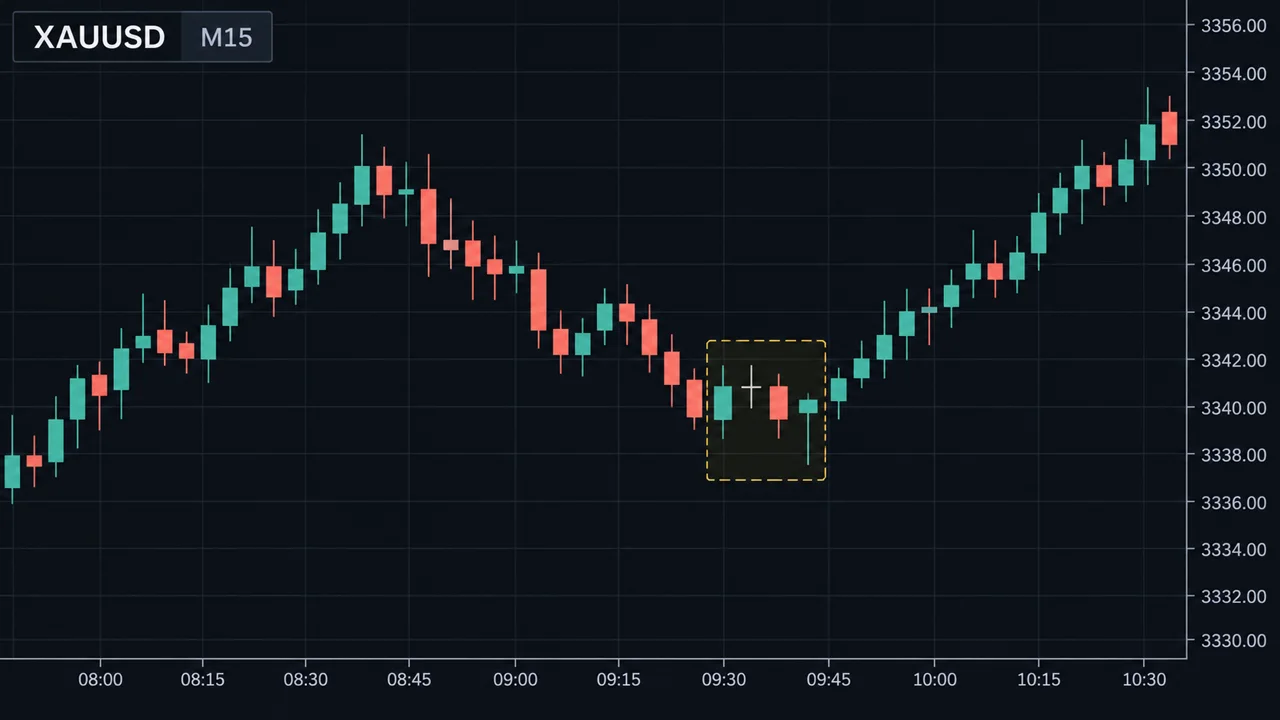
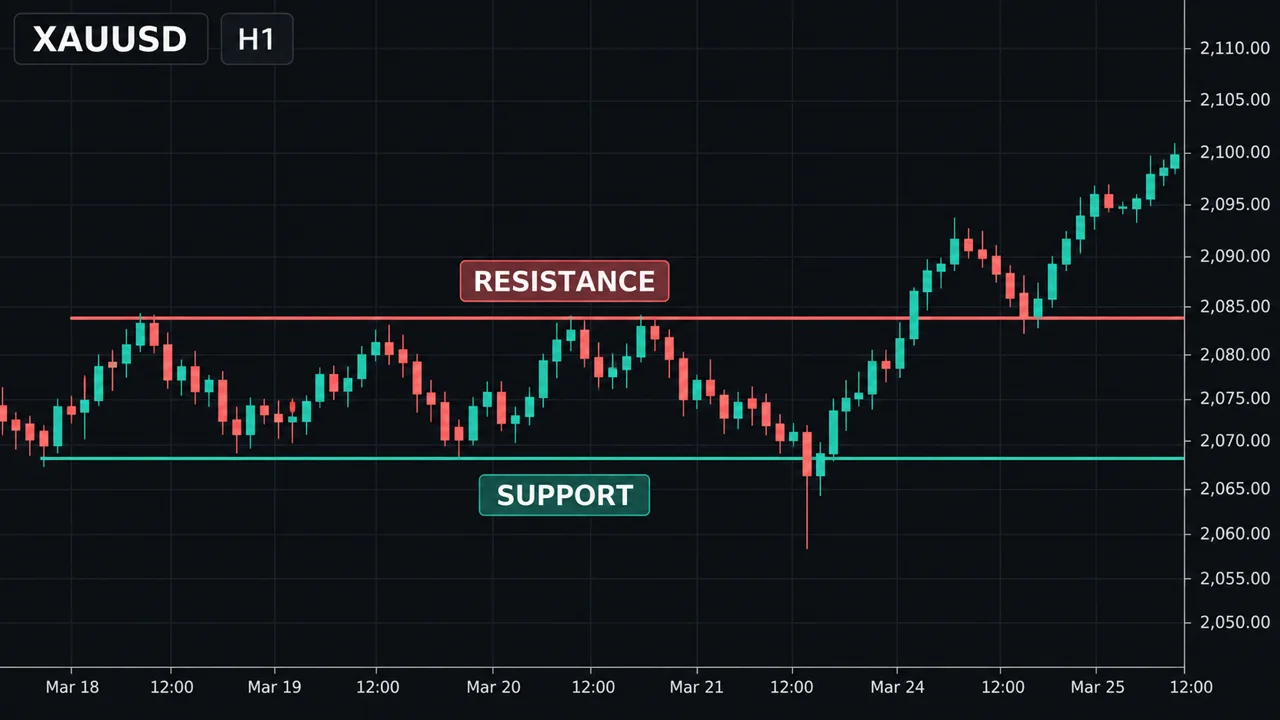
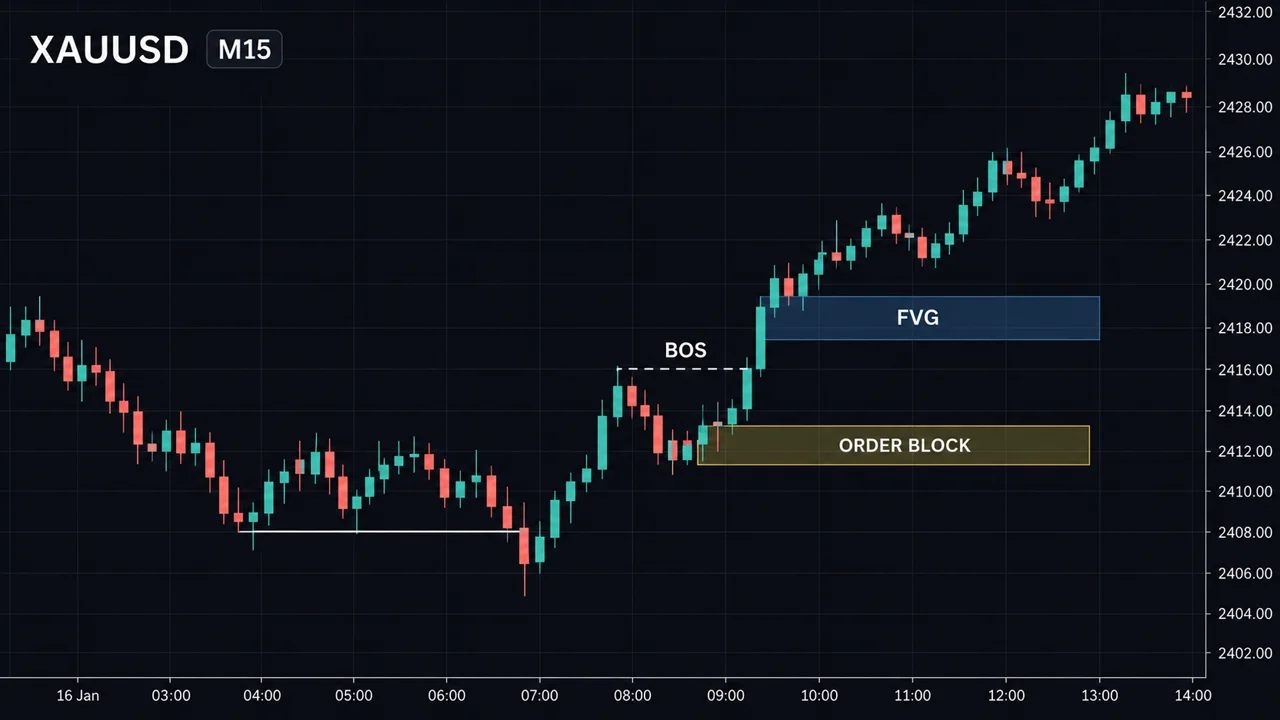
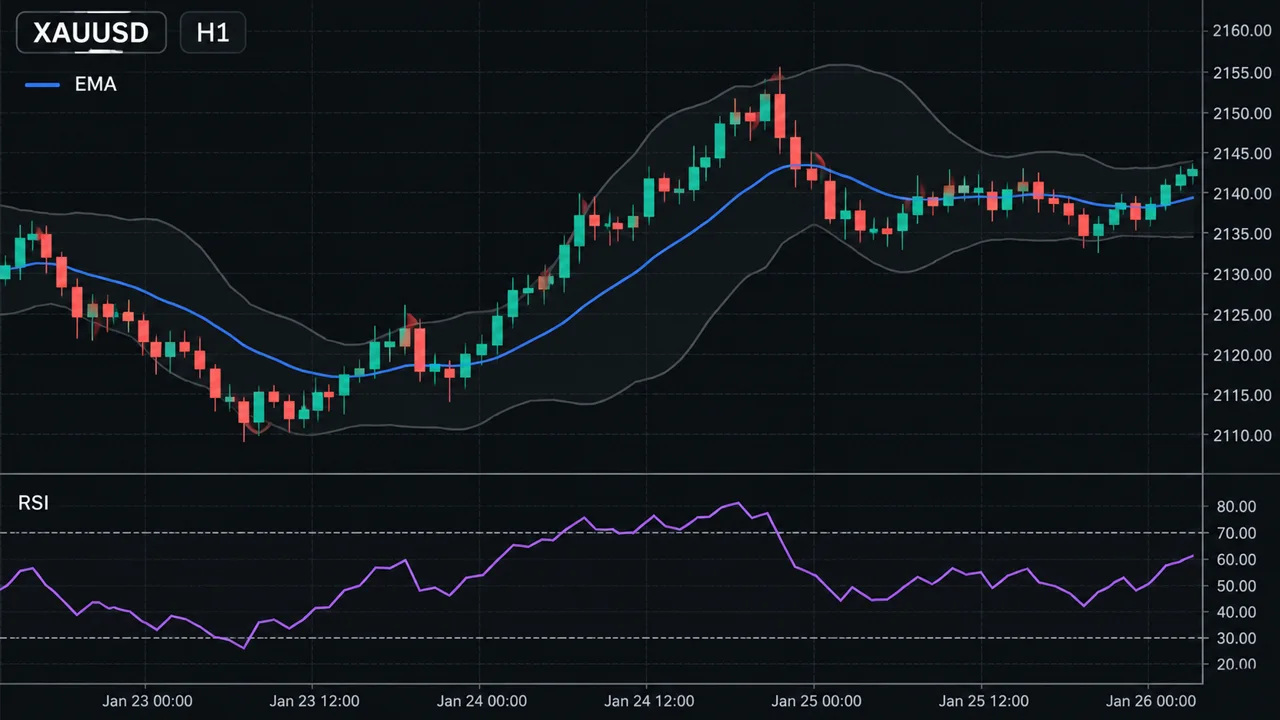
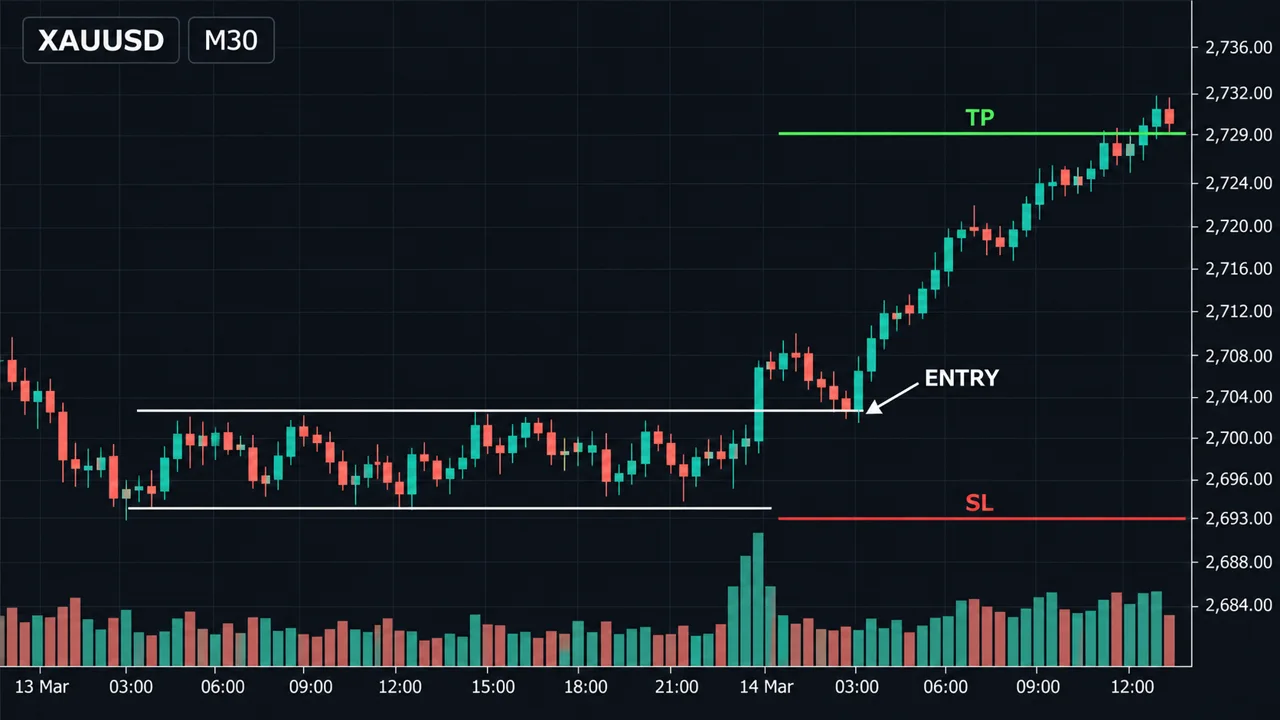
ดูภาพด้านล่าง: ภาพแรกคือวันที่ฝั่งซื้อไปถึงเป้า ภาพที่สองคือวันที่โดนหลอกสองฝั่ง
เหมาะกับใคร
- เวลา: เหมาะกับคนไทยมาก เพราะลอนดอนเปิดช่วงบ่าย ตั้งคำสั่งก่อนแล้วตรวจอีกครั้งตอนเย็นได้
- นิสัย: ทำตามกติกาซ้ำ ๆ ได้ทุกวันโดยไม่ "เลือกวัน" ตามความรู้สึก
- ขนาดบัญชี: ทุกขนาด แต่ต้องรวมความเสี่ยงกรณีโดนสองฝั่งไว้ในแผน
- ต้นทุน: ช่วงเปิดตลาดสเปรดอาจกว้างกว่าปกติชั่วคราว และการลื่นไถลเกิดได้
จุดอ่อน / ข้อผิดพลาดที่พบบ่อย
- เบรกหลอก (Fakeout): ราคาเบรกฝั่งหนึ่งเพื่อกวาด SL แล้ววิ่งกลับไปอีกฝั่ง (เบรกหลอก) เป็นกรณีที่พบได้บ่อยในช่วงนี้
- โดนสองฝั่งในวันเดียว: ถ้าไม่ลบคำสั่งฝั่งตรงข้าม ความเสี่ยงต่อวันอาจเป็นสองเท่าของที่ตั้งใจ
- กลยุทธ์เป็นที่รู้จักมาก: คนจำนวนมากวางคำสั่งไว้ตำแหน่งคล้ายกัน ระดับเหล่านั้นจึงเป็นเป้าของการล่าสภาพคล่อง (Liquidity และการล่าสต็อป)
- ข่าวช่วงเดียวกัน: ข่าวเศรษฐกิจของยุโรปหรืออังกฤษอาจออกช่วงลอนดอนเปิด ทำให้ราคากระชากผิดปกติ
- แปลงเวลาผิด: ใช้เวลาเซิร์ฟเวอร์โบรกเป็นเวลาไทย หรือลืมการเปลี่ยนเวลาฤดูร้อน ทำให้กรอบผิดทั้งหมด
- ผลไม่คงที่ข้ามตลาดและข้ามปี: สิ่งที่ดูดีในคู่เงินหนึ่งหรือช่วงหนึ่ง อาจไม่ดีในอีกช่วง ต้องทดสอบเอง
บางคนไม่เข้าทันทีที่เบรก แต่รอราคากลับมาทดสอบขอบกรอบเอเชียก่อน แลกกับการพลาดวันที่วิ่งไปเลย ทดสอบทั้งสองแบบกับข้อมูลของตัวเองแล้วเลือก
ใช้บนมือถือ
กลยุทธ์นี้เข้ากับมือถือดี ใช้คำสั่งรอสองฝั่งพร้อม SL/TP ตั้งการแจ้งเตือนเมื่อคำสั่งทำงาน แล้วเข้าไปลบอีกฝั่ง และตั้งนาฬิกาปลุกเวลาหมดอายุคำสั่ง (หรือใช้การตั้งวันหมดอายุของคำสั่งรอ ถ้าแอปรองรับ)
สรุป
- ลอนดอนเบรกเอาต์ใช้กรอบช่วงเอเชีย แล้วเทรดการเบรกตอนลอนดอนเปิด
- เวลาไทยประมาณ 14:00 (เวลาฤดูร้อนของอังกฤษ) หรือ 15:00 (เวลาฤดูหนาว)
- กำหนดกรอบ ตัวกรองขนาดกรอบ SL เป้า และเวลาหมดอายุให้ชัด
- เตรียมรับกรณีโดนหลอกสองฝั่ง และลบคำสั่งฝั่งที่ไม่ใช้
- ทดสอบกับตลาดที่ตัวเองเทรดก่อน ไม่มีค่าตั้งใดที่ใช้ได้ทุกตลาด
The London breakout is a time-based breakout strategy that is popular in forex and gold. The idea: during the Asian session price often moves in a narrow range; when the highly liquid London session opens, price tends to leave that range in one direction. So the strategy places pending orders above and below the Asian range and lets the market pick the side.
Why the London open matters
London is one of the largest centres of currency trading. When European traders start work, volume and volatility usually rise noticeably compared with Asia (trading sessions). Orders that have built up above and below the Asian range — other traders' stops, for example — can be swept, and price can move sharply. That is both the opportunity and the trap.
The times you need (Thai time)
London opens at around 08:00 UK local time, which shifts with daylight saving:
| Time of year (UK) | London open (Thai time) |
|---|---|
| Summer time (late Mar – late Oct) | about 14:00 |
| Winter time (late Oct – late Mar) | about 15:00 |
The "Asian range" can be defined in several ways — for example the high and low from 07:00 Thai time until just before London opens. What matters is defining it clearly and using the same definition every day. Candle times on your platform are the broker's server time, which is usually not Thai time; convert carefully.
Typical rules
- Mark the Asian range: the high and low of your chosen window.
- Range-size filter: if the range is unusually wide (say more than half the daily ATR), many traders skip the day because part of the move is already spent. If it is very narrow, beware of false breaks.
- Place orders: a buy stop slightly above the high and a sell stop slightly below the low (allowing for spread).
- Stop: the middle of the range, or the opposite edge.
- Target: 1–1.5 times the range height, or the next key level.
- When one side triggers: decide in advance whether you delete the other order or keep it as a reversal.
- Expiry: if neither side triggers within your window (say 3–4 hours after the open), delete everything.
Suppose gold's Asian range is 1,900–1,912 ($12 tall), middle 1,906. Buy stop 1,913 and sell stop 1,899; each side's stop is at the middle, 1,906 → $7 risk per side. Risk 1% = $20. lot = $20 ÷ ($7 × $100) = 0.0286, rounded down to 0.02 lot; actual risk $7 × 2 = $14. Target one range height: buy at 1,913, target 1,925, a win of $12 × 2 = $24. Double fakeout: price rises, triggers the buy, drops to the 1,906 stop (−$14), keeps falling to trigger the sell at 1,899, then bounces back to the 1,906 stop (−$14). Total −$28, or 1.4% of the account in one day, from trades planned at 1% risk.
See the charts below: first the day the buy side reaches its target, then the double-fakeout day.
Who it suits
- Time: a good fit for traders in Thailand, because London opens in the afternoon. Place orders beforehand and check again in the evening.
- Temperament: able to repeat the same rules every day without "picking days" on feel.
- Account size: any, but the double-fakeout risk must be part of the plan.
- Costs: spreads can widen briefly around the open, and slippage happens.
Weaknesses and common mistakes
- Fakeouts: price breaks one side to sweep stops, then runs the other way (false breakouts). This is common at this time of day.
- Getting hit on both sides: if you do not delete the opposite order, your daily risk can be double what you intended.
- A well-known strategy: many traders place orders in similar spots, making those levels targets for liquidity grabs (liquidity and stop hunts).
- News at the same time: European or UK data can be released around the London open and cause unusual spikes.
- Wrong time conversion: treating broker server time as Thai time, or forgetting daylight saving, makes the whole range wrong.
- Inconsistent across markets and years: what looks good on one pair or period may not on another. Test it yourself.
Some traders do not enter on the break but wait for price to come back and test the Asian-range edge first, accepting that they miss days when price runs straight away. Test both versions on your own data and choose.
On a phone
This strategy suits a phone well. Use pending orders on both sides with stop and target, set a notification for when an order triggers, then go in and delete the other side. Set an alarm for the expiry time (or use the pending order's expiry setting if your app supports it).
Summary
- The London breakout uses the Asian-session range and trades its break at the London open.
- In Thai time that is about 14:00 (UK summer time) or 15:00 (UK winter time).
- Define the range, the range-size filter, stop, target and expiry clearly.
- Plan for the double-fakeout case and delete the unused order.
- Test it on the market you trade; no setting works everywhere.