จากบัญชีทดลองสู่บัญชีจริง (Demo to Live)Moving from Demo to Live
ใช้บัญชีทดลองให้ได้ประโยชน์จริง รู้ว่าเมื่อไรควรเริ่มเงินจริง และขยายขนาดไม้อย่างเป็นขั้นตอนโดยไม่ทำลายพอร์ตUse a demo account properly, know when you are ready for real money, and scale up step by step without wrecking the account.
ในบทความนี้ · 8
In this article · 8
หลายคนเทรดบัญชีทดลอง (Demo) ได้ดี แต่พอเปลี่ยนเป็นเงินจริงกลับทำผิดแผนตั้งแต่สัปดาห์แรก ไม่ใช่เพราะกลยุทธ์เปลี่ยน แต่เพราะใจเปลี่ยน บทนี้อธิบายว่าบัญชีทดลองสอนอะไรได้ สอนอะไรไม่ได้ และวางขั้นตอนการย้ายไปเงินจริงอย่างค่อยเป็นค่อยไป
บัญชีทดลองมีไว้ทำอะไร
บัญชีทดลองใช้ราคาตลาดจริง แต่เงินเป็นเงินสมมติ เหมาะสำหรับ:
- เรียนรู้แอป ส่งคำสั่งทุกประเภท แก้ SL/TP ปิดไม้บางส่วน โดยไม่กลัวกดผิด
- ทดสอบกฎการเทรด ว่าปฏิบัติตามได้จริงไหม และสัญญาณเกิดบ่อยแค่ไหน
- ฝึกขั้นตอน คำนวณล็อต จดบันทึก ทบทวนหลังเทรด
สิ่งที่บัญชีทดลองสอนไม่ได้:
- ความรู้สึกตอนเสียเงินจริง ความกลัวและความโลภของจริงต่างจากตัวเลขสมมติมาก
- การส่งคำสั่งจริงทุกแง่ บัญชีทดลองบางแห่งอาจได้ราคาดีกว่าบัญชีจริง เช่น สลิปเพจน้อยกว่า หรือเงื่อนไขต่างกัน
ใช้บัญชีทดลองให้เหมือนจริง
ข้อผิดพลาดใหญ่ที่สุดคือเปิดบัญชีทดลองด้วยเงินก้อนใหญ่กว่าที่จะเทรดจริงมาก แล้วเทรดไม้ใหญ่ตามใจ
สมมติบัญชีทดลอง $10,000 คุณเทรดทอง 0.10 ล็อต SL ห่าง $10 ความเสี่ยง = 10 × $10 = $100 = 1% ของพอร์ตทดลอง ดูปลอดภัย แต่บัญชีจริงที่จะเปิดมีแค่ $1,000 ถ้าใช้ 0.10 ล็อตแบบที่ชิน ความเสี่ยง $100 = 10% ของพอร์ตจริง ที่ถูกคือ ตั้งบัญชีทดลองเป็น $1,000 เท่าที่จะฝากจริง แล้วฝึกด้วย 0.01 ล็อต (เสี่ยง $10 = 1%)
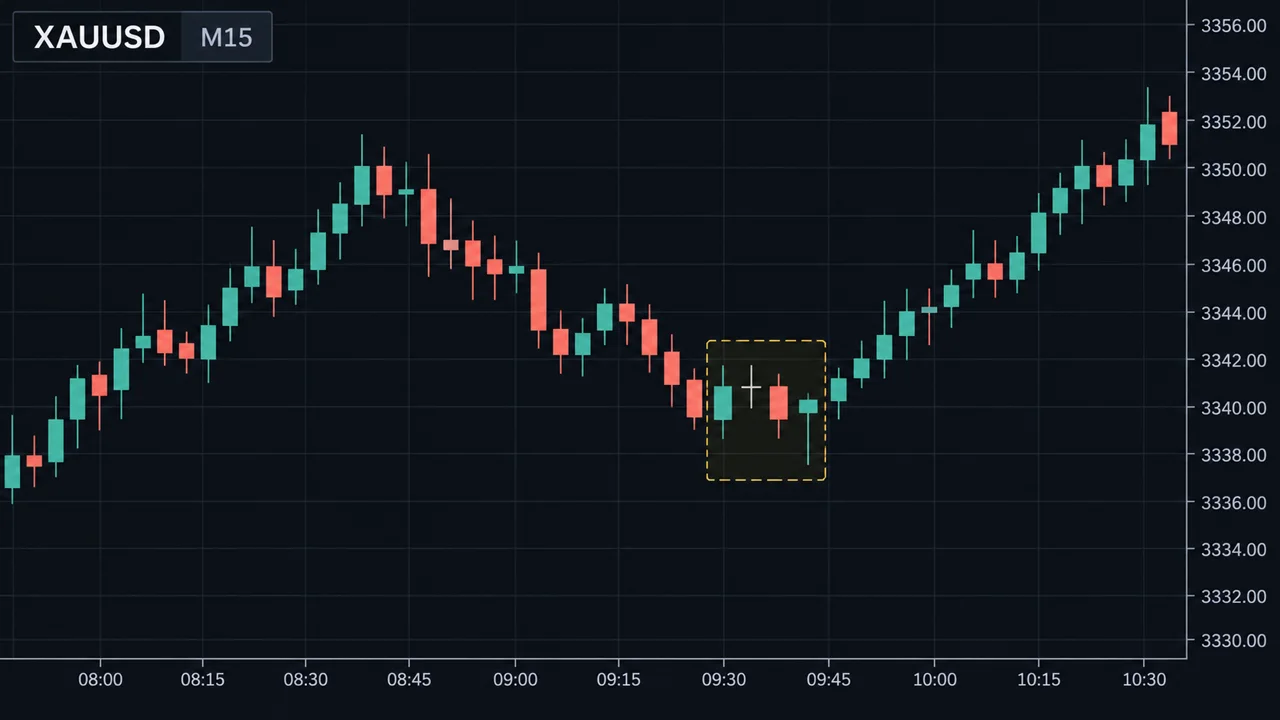
ดูภาพด้านล่าง
กฎสำหรับบัญชีทดลอง:
- ตั้งยอดเงินเท่ากับที่ตั้งใจฝากจริง
- ใช้กฎความเสี่ยงต่อไม้เดียวกับที่จะใช้จริง
- จดทุกไม้ใน บันทึกการเทรด เหมือนเป็นเงินจริง
- ห้ามรีเซ็ตบัญชีเมื่อขาดทุน ให้ศึกษาว่าทำไม
เมื่อไรควรเริ่มเงินจริง
ไม่มีจำนวนวันที่ถูกต้องสำหรับทุกคน แต่ตั้งเกณฑ์ที่วัดได้ไว้ก่อน เช่น:
- เทรดตาม แผนการเทรด ที่เขียนไว้ได้อย่างน้อยหลายสิบไม้ติดต่อกัน
- ทุกไม้มี SL และขนาดไม้ตรงตามสูตร
- ผ่านช่วงขาดทุนติดกันหลายไม้มาแล้วโดยไม่ทำผิดแผน
- เข้าใจต้นทุนจริงของบัญชี (สเปรด คอม สวอป)
สังเกตว่าเกณฑ์ทั้งหมดเน้น "ทำตามแผนได้" มากกว่า "กำไรเท่าไร" เพราะผลกำไรในตัวอย่างไม่กี่สิบไม้อาจเป็นแค่โชค ส่วนวินัยคือสิ่งที่จะติดตัวไปบัญชีจริง
ขั้นตอนย้ายไปเงินจริง
ขั้นที่ 1: เงินจริงจำนวนน้อย
เริ่มด้วยเงินที่เสียทั้งหมดได้โดยไม่กระทบชีวิต อาจใช้บัญชี Cent เพื่อให้ไม้เล็กมาก ดู โบรกเกอร์และประเภทบัญชี เป้าหมายขั้นนี้ไม่ใช่กำไร แต่คือ "ทำตามแผนได้เหมือนตอนทดลองไหม" และ "การฝากถอนจริงทำงานไหม"
ขั้นที่ 2: ความเสี่ยงต่ำกว่าแผน
ใช้ความเสี่ยงต่อไม้ครึ่งหนึ่งของที่วางแผนไว้ ความกดดันจะน้อยลง และคุณจะเห็นว่าตัวเองมีปฏิกิริยาอย่างไรกับการขาดทุนจริง
ขั้นที่ 3: ขยายทีละขั้น
เพิ่มความเสี่ยงต่อไม้เมื่อผ่านเกณฑ์ที่ตั้งไว้ล่วงหน้า และลดกลับเมื่อทำผิดแผน
แผนสุดท้ายคือเสี่ยง 1% ต่อไม้ = $10 ช่วงแรก: เสี่ยง 0.5% = $5 · ทอง SL $5 → ล็อต = 5 ÷ (5 × $100) = 0.01 ล็อต ถ้า SL ในวันนั้นต้องห่าง $10 → ล็อต = 5 ÷ 1,000 = 0.005 ต่ำกว่าขั้นต่ำ = ข้ามไม้นั้น หรือเทรดคู่เงินที่ไม้เล็กกว่าแทน หลังทำตามแผนครบ 30 ไม้: เพิ่มเป็น 1% = $10 · SL $10 → 0.01 ล็อต · SL $5 → 0.02 ล็อต ถ้าทำผิดแผน (เช่น เลื่อน SL หนี): กลับไปเสี่ยง 0.5% และเริ่มนับใหม่
เตรียมใจกับความต่าง
ช่วงแรกของเงินจริง คุณอาจสังเกตว่า:
- ปิดไม้กำไรเร็วกว่าแผนเพราะกลัวกำไรหาย
- ลังเลไม่กล้าเข้าไม้ตามสัญญาณ
- อยากเอาคืนหลังเสีย ดู ความกลัวและความโลภ
นี่เป็นเรื่องปกติ สิ่งสำคัญคือจดไว้ในบันทึกว่าเกิดขึ้นเมื่อไร แล้วค่อย ๆ แก้ทีละข้อ
จุดอ่อน / ข้อผิดพลาดที่พบบ่อย
- เทรดทดลองด้วยเงินก้อนใหญ่เกินจริง แล้วติดนิสัยใช้ล็อตใหญ่
- ทดลองนานเกินไปโดยไม่มีเกณฑ์ อยู่บนเงินสมมติเป็นปีเพราะกลัว ทั้งที่ทำตามแผนได้แล้ว
- ทดลองสั้นเกินไป กำไรสองสามวันแรกแล้วฝากเงินก้อนใหญ่ทันที
- ตัดสินจากกำไรในตัวอย่างไม่กี่ไม้ ผลช่วงสั้นมีโชคปนอยู่มาก
- คิดว่าบัญชีทดลองกับบัญชีจริงได้ราคาเหมือนกันทุกครั้ง ช่วงข่าวและตลาดเร็ว ผลอาจต่างกัน
- ขยายล็อตทันทีหลังชนะติดกัน ความมั่นใจเกินทำให้ขาดทุนไม้ถัดไปใหญ่ขึ้น
ใช้บนมือถือ
แอป MT4/MT5 มือถือเปิดบัญชีทดลองได้จากเมนู Accounts โดยตรง และเก็บหลายบัญชีไว้ในแอปเดียวกันได้ ระวังสลับบัญชีผิด ก่อนส่งคำสั่งทุกครั้งให้ดูชื่อบัญชีและคำว่า Demo หรือ Real ที่หน้าบัญชีให้ชัด หลายคนตั้งใจทดลองแต่ส่งคำสั่งเข้าบัญชีจริง
สรุป
- บัญชีทดลองสอนเครื่องมือและกฎได้ แต่สอนอารมณ์ของเงินจริงไม่ได้
- ตั้งยอดทดลองเท่าเงินที่จะฝากจริง และใช้กฎความเสี่ยงเดียวกัน
- ใช้เกณฑ์ "ทำตามแผนได้" ในการตัดสินว่าพร้อม ไม่ใช่กำไรช่วงสั้น
- เริ่มเงินจริงด้วยจำนวนน้อยและความเสี่ยงต่ำกว่าแผน แล้วขยายตามเกณฑ์
- ทำผิดแผนเมื่อไร ลดความเสี่ยงกลับและเริ่มนับใหม่
Plenty of people trade a demo account well, then break their plan in the first week of real money. The strategy did not change — their mind did. This lesson explains what a demo can and cannot teach you, and sets out a gradual path to trading live.
What a demo account is for
A demo uses real market prices with pretend money. It is good for:
- Learning the app — sending every order type, modifying SL/TP, closing part of a trade, without fear of a costly mis-tap.
- Testing your rules — whether you can actually follow them and how often signals appear.
- Practising the routine — calculating lots, keeping a journal, reviewing after trading.
What a demo cannot teach:
- How it feels to lose real money. Real fear and greed are very different from pretend numbers.
- Every aspect of real execution. Some demo accounts may get better fills than live ones — less slippage, or different conditions.
Make the demo realistic
The biggest mistake is opening a demo far larger than the account you will really fund, then trading big just because you can.
Suppose a $10,000 demo, trading gold at 0.10 lot with a stop $10 away. Risk = 10 × $10 = $100 = 1% of the demo — looks safe. But the live account you plan to open is $1,000. Use the 0.10 lot you are used to and the $100 risk = 10% of the real account. The right way: set the demo to $1,000, the amount you will actually deposit, and practise with 0.01 lot ($10 risk = 1%).
See the chart below.
Rules for your demo:
- Set the balance to what you really intend to deposit.
- Use the same risk-per-trade rule you will use live.
- Record every trade in your trading journal as if it were real.
- Never reset the account after losses — study why they happened.
When to start with real money
There is no number of days that is right for everyone, but set measurable criteria in advance, for example:
- You have followed your written trading plan for at least several dozen consecutive trades.
- Every trade had an SL and a lot size that matched your formula.
- You have been through a losing streak without breaking the plan.
- You understand the account's real costs (spread, commission, swap).
Notice the criteria are about following the plan, not about profit. Results over a few dozen trades can easily be luck; discipline is what carries over to a live account.
Moving to live, step by step
Step 1: a small amount of real money
Start with money you could lose entirely without it affecting your life. A cent account can make trades very small — see Brokers and Account Types. The goal of this step is not profit but answering: "Can I follow the plan like I did on demo?" and "Do real deposits and withdrawals work?"
Step 2: less risk than planned
Use half your planned risk per trade. Pressure is lower, and you learn how you actually react to real losses.
Step 3: scale up in stages
Raise risk per trade when you meet criteria you set in advance, and cut it back when you break the plan.
The final plan is 1% risk per trade = $10. Early phase: risk 0.5% = $5. Gold stop $5 → lots = 5 ÷ (5 × $100) = 0.01 lot. If that day's stop must be $10 away → lots = 5 ÷ 1,000 = 0.005, below the minimum = skip the trade, or trade a pair with smaller trade sizes instead. After 30 trades that followed the plan: raise to 1% = $10. $10 stop → 0.01 lot; $5 stop → 0.02 lot. If you break the plan (for example, moving the SL away): drop back to 0.5% and restart the count.
Expect the difference
In your first weeks of real money you may notice that you:
- close winners earlier than planned, afraid of giving profit back
- hesitate to take valid signals
- want to win it back after a loss — see Fear and Greed
This is normal. What matters is writing down when it happens in your journal, then fixing one habit at a time.
Weaknesses / common mistakes
- Demo trading with an unrealistically large balance, and getting used to big lots.
- Staying on demo too long with no criteria, spending a year on pretend money out of fear, even though you already follow the plan.
- Staying on demo too briefly — a few profitable days, then a large deposit.
- Judging by profit over a handful of trades. Short-term results contain a lot of luck.
- Assuming demo and live fills are always identical. Around news and in fast markets they can differ.
- Increasing size right after a winning streak. Overconfidence makes the next loss bigger.
On a phone
In MT4/MT5 mobile you can open a demo straight from the Accounts menu and keep several accounts in one app. That makes it easy to be on the wrong one. Before every order, check the account name and whether it says Demo or Real. Many traders have meant to practise and sent an order to their live account.
Summary
- A demo teaches tools and rules, not the emotions of real money.
- Set the demo balance to your real deposit and use the same risk rule.
- Judge readiness by "I follow the plan", not by short-term profit.
- Go live with a small amount and less risk than planned, then scale by criteria.
- Whenever you break the plan, cut risk back and restart the count.