Pip, Lot, Leverage และ Margin คืออะไรPips, Lots, Leverage and Margin
คำนวณได้เองว่าราคาขยับหนึ่งจุดคุณได้เสียเท่าไร และโบรกกันเงินไว้เท่าไรต่อหนึ่งไม้Learn to calculate what each price move is worth to you and how much money your broker sets aside per trade.
ในบทความนี้ · 8
In this article · 8
สี่คำนี้คือภาษาพื้นฐานของการเทรด ถ้าคำนวณไม่เป็น คุณจะไม่รู้ว่าไม้ที่เปิดอยู่เสี่ยงเท่าไร และนี่คือสาเหตุอันดับต้น ๆ ที่พอร์ตเล็กล้างพอร์ต ข่าวดีคือคณิตศาสตร์ที่ใช้มีแค่คูณกับหาร
Pip และ Point คืออะไร
Pip คือหน่วยวัดการขยับของราคา สำหรับคู่เงินส่วนใหญ่ เช่น EURUSD หนึ่ง pip = 0.0001 ถ้า EURUSD ขยับจาก 1.1000 เป็น 1.1025 แปลว่าขยับ 25 pips
โบรกส่วนใหญ่แสดงราคาละเอียดกว่านั้นอีกหนึ่งหลัก (1.10253) หลักสุดท้ายเรียกว่า Point หรือ pipette โดย 10 points = 1 pip ระวังให้ดี เพราะในแอป MT4/MT5 ช่องระยะ SL หรือสเปรดมักแสดงเป็น points ไม่ใช่ pips
สำหรับทองคำ (XAUUSD) คนส่วนใหญ่คุยกันเป็น "ดอลลาร์" เช่น ราคาขยับ $5 จาก 2,000.00 เป็น 2,005.00 วิธีนี้ชัดที่สุดและไม่สับสนกับนิยาม pip ที่แต่ละที่ใช้ไม่เหมือนกัน
Lot คืออะไร
Lot (ล็อต) คือขนาดของไม้
| ขนาด | EURUSD | ทอง XAUUSD |
|---|---|---|
| 1.00 ล็อต (Standard) | 100,000 ยูโร | 100 ออนซ์ |
| 0.10 ล็อต (Mini) | 10,000 ยูโร | 10 ออนซ์ |
| 0.01 ล็อต (Micro) | 1,000 ยูโร | 1 ออนซ์ |
มูลค่าต่อการขยับ:
- EURUSD: 1 pip = $10 ต่อ 1.00 ล็อต = $1 ต่อ 0.10 ล็อต = $0.10 ต่อ 0.01 ล็อต
- ทอง: ราคาขยับ $1 = $100 ต่อ 1.00 ล็อต = $10 ต่อ 0.10 ล็อต = $1 ต่อ 0.01 ล็อต
สูตรทั่วไป: กำไร/ขาดทุน = ระยะที่ราคาขยับ × มูลค่าต่อหน่วย × จำนวนล็อต
EURUSD: ซื้อ 0.30 ล็อต ที่ 1.1000 ราคาลงไป 1.0980 = ขยับ 20 pips ขาดทุน = 20 × $10 × 0.30 = $60 ทอง: ขาย 0.05 ล็อต ที่ 2,010.00 ราคาลงไป 2,002.00 = ขยับ $8 กำไร = 8 × $100 × 0.05 = $40
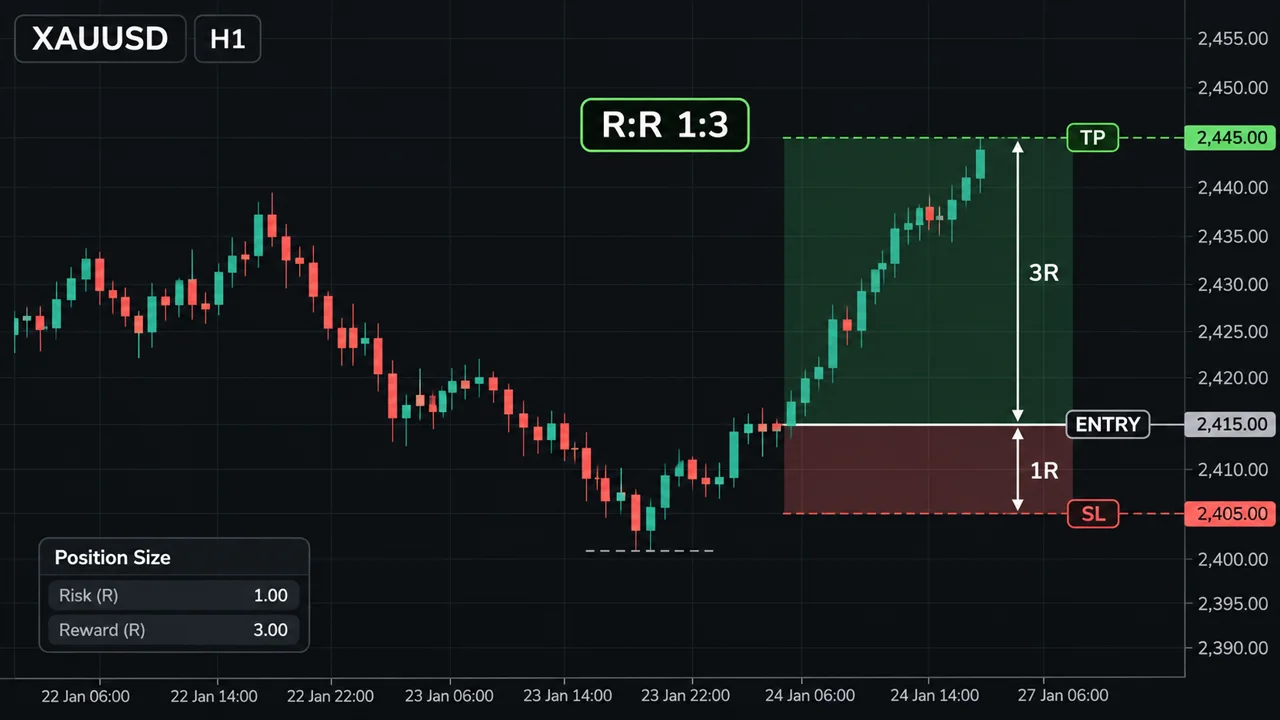
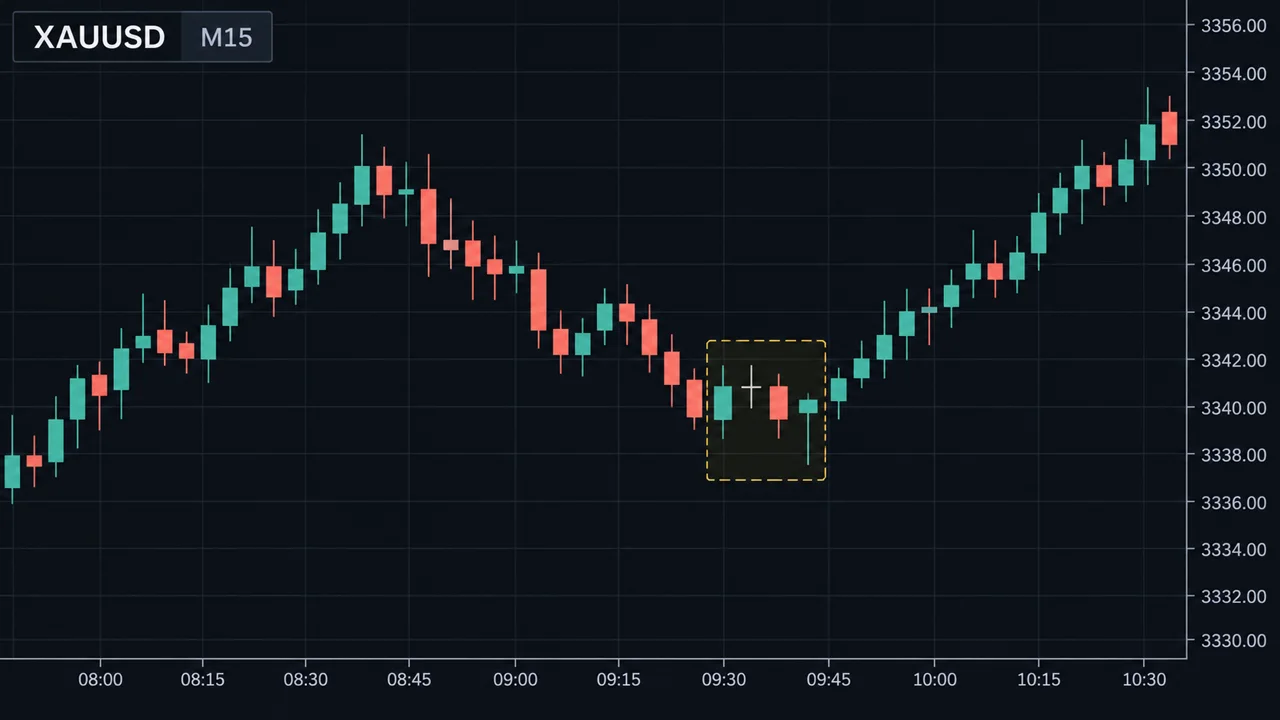
ดูภาพด้านล่าง
Leverage คืออะไร
Leverage (เลเวอเรจ) คือการที่โบรกให้คุณคุมไม้ขนาดใหญ่กว่าเงินที่วาง เช่น 1:100 แปลว่าวางเงิน $1 คุมสัญญาได้ $100
สิ่งที่ต้องเข้าใจให้ชัด: เลเวอเรจไม่ได้เปลี่ยนว่าราคาขยับ 1 จุดคุณได้เสียเท่าไร สิ่งที่กำหนดความเสี่ยงคือ "ขนาดล็อต" เลเวอเรจแค่บอกว่าคุณเปิดล็อตใหญ่ได้แค่ไหนด้วยเงินที่มี ยิ่งเลเวอเรจสูง ยิ่งเปิดไม้ใหญ่เกินตัวได้ง่าย นั่นคืออันตรายที่แท้จริง
Margin คืออะไร
Margin (มาร์จิ้น) คือเงินที่โบรกกันไว้เป็นหลักประกันระหว่างที่ไม้เปิดอยู่ ไม่ใช่ค่าธรรมเนียม ปิดไม้แล้วได้คืน
สูตร: มาร์จิ้น = มูลค่าสัญญา ÷ เลเวอเรจ
EURUSD 0.10 ล็อต ที่ราคา 1.1000: มูลค่าสัญญา = 10,000 × 1.1000 = $11,000 มาร์จิ้น = 11,000 ÷ 100 = $110 ทอง 0.10 ล็อต ที่ราคา 2,000.00: มูลค่าสัญญา = 10 ออนซ์ × 2,000 = $20,000 มาร์จิ้น = 20,000 ÷ 100 = $200
คำที่เกี่ยวข้องในแอป:
- Balance เงินในบัญชีไม่รวมไม้ที่เปิดอยู่
- Equity Balance บวกลบกำไรขาดทุนของไม้ที่ยังเปิด
- Free Margin = Equity − Margin ที่ใช้อยู่ = เงินที่ยังเปิดไม้ใหม่ได้
- Margin Level =
Equity ÷ Margin × 100%
ถ้า Margin Level ลดลงถึงระดับที่โบรกกำหนด จะเกิด Margin Call และ Stop Out ซึ่งโบรกจะปิดไม้ให้อัตโนมัติ ตัวเลขระดับนี้ต่างกันแต่ละโบรก รายละเอียดอ่านที่ เลเวอเรจและ Margin Call
บัญชี $500 เลเวอเรจ 1:500 ซื้อทอง 1.00 ล็อต ที่ 2,000.00 มาร์จิ้น = 100 × 2,000 ÷ 500 = $400 → Free Margin เหลือ $100 ราคาลงแค่ $1 ขาดทุน $100 → Equity เหลือ $400 = Margin Level 100% ราคาลงอีกไม่กี่ดอลลาร์ ก็อาจโดน Stop Out ได้ (ขึ้นกับระดับที่โบรกตั้ง) ถ้าเปิด 0.01 ล็อตแทน ราคาลง $1 ขาดทุนแค่ $1 และต้องลง $500 ถึงจะเสียเงินในพอร์ตหมด (ไม่นับสเปรด และ Stop Out จะปิดก่อนหน้านั้น)
นำไปใช้จริง
- ตัดสินใจก่อนว่ายอมเสียได้กี่ดอลลาร์ต่อไม้
- ดูระยะ SL ว่ากี่ pips หรือกี่ดอลลาร์
- คำนวณล็อต:
ล็อต = เงินที่ยอมเสีย ÷ (ระยะ SL × มูลค่าต่อหน่วยต่อ 1 ล็อต) - เช็กว่ามาร์จิ้นที่ใช้ยังเหลือ Free Margin เพียงพอ
ตัวอย่าง: ยอมเสีย $20 ทอง SL ห่าง $10 → ล็อต = 20 ÷ (10 × 100) = 0.02 ล็อต ดูวิธีคิดละเอียดที่ การคำนวณขนาดไม้
จุดอ่อน / ข้อผิดพลาดที่พบบ่อย
- สับสน pip กับ point ตั้ง SL 50 points คิดว่า 50 pips ทำให้ SL แคบกว่าที่ตั้งใจสิบเท่า
- คิดว่าเลเวอเรจสูงคือเสี่ยงสูงเสมอ ความเสี่ยงอยู่ที่ขนาดล็อต แต่เลเวอเรจสูงเปิดทางให้คุณใช้ล็อตใหญ่เกินตัว
- ใช้ Free Margin เป็นตัวตัดสินขนาดไม้ การที่ "เปิดได้" ไม่ได้แปลว่า "ควรเปิด"
- ลืมว่าแต่ละโบรกกำหนดขนาดสัญญาต่างกัน บางโบรกอาจใช้ขนาดสัญญาทองไม่ใช่ 100 ออนซ์ ให้เช็กใน Contract Specification ของสัญลักษณ์นั้นเสมอ
ใช้บนมือถือ
ใน MT5 มือถือ กดค้างที่ชื่อสัญลักษณ์ในหน้า Quotes เลือก Specification จะเห็นขนาดสัญญา (Contract Size) จำนวนทศนิยม และขนาดล็อตต่ำสุด ส่วนหน้า Trade ด้านบนจะแสดง Balance, Equity, Margin, Free Margin และ Margin Level ให้ดูได้ตลอดเวลา
สรุป
- EURUSD 1 pip = 0.0001 = $10 ต่อ 1.00 ล็อต · ทองขยับ $1 = $100 ต่อ 1.00 ล็อต
- ความเสี่ยงต่อไม้มาจากขนาดล็อตกับระยะ SL ไม่ใช่เลเวอเรจโดยตรง
- มาร์จิ้น = มูลค่าสัญญา ÷ เลเวอเรจ เป็นเงินประกัน ไม่ใช่ค่าธรรมเนียม
- เฝ้าดู Margin Level ถ้าต่ำลงมากโบรกจะปิดไม้ให้เอง
- คำนวณล็อตจากเงินที่ยอมเสียก่อนเปิดไม้ทุกครั้ง
These four words are the basic language of trading. If you cannot calculate them, you do not know how much risk an open trade carries — one of the top reasons small accounts get wiped out. The good news: the maths is only multiplication and division.
What pips and points are
A pip is the unit for measuring price movement. For most currency pairs, such as EURUSD, one pip = 0.0001. If EURUSD moves from 1.1000 to 1.1025, it moved 25 pips.
Most brokers quote one extra digit (1.10253). That last digit is a point, or pipette, and 10 points = 1 pip. Be careful: in MT4/MT5, fields such as stop distance and spread are often shown in points, not pips.
For gold (XAUUSD), most traders talk in dollars — for example, a $5 move from 2,000.00 to 2,005.00. It is the clearest way and avoids the different pip definitions people use for gold.
What a lot is
A lot is the size of a trade.
| Size | EURUSD | Gold XAUUSD |
|---|---|---|
| 1.00 lot (standard) | 100,000 euros | 100 oz |
| 0.10 lot (mini) | 10,000 euros | 10 oz |
| 0.01 lot (micro) | 1,000 euros | 1 oz |
Value per move:
- EURUSD: 1 pip = $10 per 1.00 lot = $1 per 0.10 lot = $0.10 per 0.01 lot
- Gold: a $1 move = $100 per 1.00 lot = $10 per 0.10 lot = $1 per 0.01 lot
General formula: profit/loss = distance moved × value per unit × lots
EURUSD: buy 0.30 lot at 1.1000; price falls to 1.0980 = a 20-pip move. Loss = 20 × $10 × 0.30 = $60 Gold: sell 0.05 lot at 2,010.00; price falls to 2,002.00 = an $8 move. Profit = 8 × $100 × 0.05 = $40
See the charts below.
What leverage is
Leverage lets you control a position larger than the money you put up. 1:100 means $1 of your money controls $100 of contract.
Be very clear on this: leverage does not change what each price move is worth to you. Lot size does. Leverage only decides how big a lot you are allowed to open with your money. Higher leverage makes it easier to open a position far too large for your account — that is the real danger.
What margin is
Margin is the money your broker sets aside as collateral while a trade is open. It is not a fee; you get it back when you close.
Formula: margin = contract value ÷ leverage
EURUSD 0.10 lot at 1.1000: contract value = 10,000 × 1.1000 = $11,000 Margin = 11,000 ÷ 100 = $110 Gold 0.10 lot at 2,000.00: contract value = 10 oz × 2,000 = $20,000 Margin = 20,000 ÷ 100 = $200
Related terms in the app:
- Balance — account money excluding open trades.
- Equity — balance plus or minus the floating profit/loss of open trades.
- Free margin = equity − margin in use = money still available for new trades.
- Margin level =
equity ÷ margin × 100%
If margin level falls to your broker's threshold, you get a margin call and then a stop out, where the broker closes trades automatically. The levels differ by broker; see Leverage and Margin Calls.
$500 account, leverage 1:500, buy 1.00 lot of gold at 2,000.00. Margin = 100 × 2,000 ÷ 500 = $400 → free margin is only $100. Price drops just $1: loss $100 → equity $400 = margin level 100%. A few more dollars down and a stop out is possible (depending on your broker's level). With 0.01 lot instead, a $1 drop costs $1, and price would need to fall $500 to wipe the account (ignoring spread; a stop out would close it before that).
Putting it to work
- Decide how many dollars you accept losing on the trade.
- Measure the stop-loss distance in pips or dollars.
- Calculate the lot:
lots = money at risk ÷ (stop distance × value per unit per 1.00 lot) - Check there is enough free margin left over.
Example: risk $20, gold stop $10 away → lots = 20 ÷ (10 × 100) = 0.02 lot. Full method in Position Sizing.
Weaknesses / common mistakes
- Mixing up pips and points. Setting a 50-point stop while thinking it is 50 pips makes the stop ten times tighter than intended.
- Thinking high leverage always means high risk. Risk lives in lot size, but high leverage lets you pick a lot size far beyond your means.
- Using free margin to choose trade size. "I can open it" is not the same as "I should open it".
- Forgetting contract sizes differ. Some brokers use a gold contract size other than 100 oz. Always check the symbol's contract specification.
On a phone
In MT5 mobile, long-press a symbol on the Quotes screen and choose Specification to see contract size, digits and minimum lot. The top of the Trade screen always shows balance, equity, margin, free margin and margin level.
Summary
- EURUSD 1 pip = 0.0001 = $10 per 1.00 lot; gold $1 move = $100 per 1.00 lot.
- Risk per trade comes from lot size and stop distance, not directly from leverage.
- Margin = contract value ÷ leverage; it is collateral, not a fee.
- Watch margin level; if it falls too far the broker closes trades for you.
- Calculate lot size from the money you accept losing before every trade.