บันทึกการเทรด (Trading Journal) จดอะไร และใช้อย่างไรThe Trading Journal — What to Record and How to Use It
บันทึกการเทรดคือกระจกที่บอกความจริงเรื่องระบบและพฤติกรรมของเรา ดูช่องที่ควรจด วิธีทบทวนรายสัปดาห์ และตัวอย่างการแยกไม้ตามแผนกับไม้นอกแผนA journal is the mirror that tells the truth about your method and your behaviour — which fields to record, a weekly review routine, and an example that separates plan trades from off-plan trades.
ในบทความนี้ · 7
In this article · 7
บันทึกการเทรด (Trading Journal) คือการจดทุกไม้ที่เราเทรด พร้อมเหตุผล ความรู้สึก และผลลัพธ์ หลายคนข้ามขั้นนี้เพราะดูน่าเบื่อ แต่มันคือเครื่องมือเดียวที่ตอบได้ว่าเราขาดทุนเพราะระบบไม่ดี หรือเพราะเราไม่ได้ทำตามระบบ สองปัญหานี้แก้คนละแบบ และถ้าไม่มีบันทึก เราจะแยกมันไม่ออกเลย
ทำไมประวัติในแอปเทรดไม่พอ
แอป MT4/MT5 เก็บประวัติให้อยู่แล้ว ทั้งราคาเข้า ราคาออก และกำไรขาดทุน แต่มันไม่ได้เก็บสิ่งที่สำคัญที่สุด คือ
- ทำไม เราถึงเข้าไม้นี้
- ไม้นี้ ตรงแผน หรือไม่
- ตอนนั้นเรา รู้สึก อย่างไร
- เรา แก้ไม้ ระหว่างทางไหม เพราะอะไร
ข้อมูลพวกนี้ต้องจดเอง และมันคือส่วนที่ทำให้บันทึกมีค่า
ช่องที่ควรจด
| ช่อง | ตัวอย่าง |
|---|---|
| วันเวลา ตลาด ทิศ | 12 มี.ค. 15:20 XAUUSD Buy |
| เหตุผลเข้า (ตามเช็กลิสต์) | เด้งจากโซน H1 + แท่งกลืนกิน |
| ตามแผนไหม | ใช่ / ไม่ใช่ (ระบุข้อที่ผิด) |
| SL, TP, ล็อต, เสี่ยงกี่ R | SL $5, TP $10, 0.02, 1R |
| ผลเป็น R และเงิน | +2R / +$20 |
| อารมณ์ก่อนและหลัง | ปกติ / หงุดหงิดหลังไม้ก่อน |
| แก้ไม้ระหว่างทาง | ไม่ได้แก้ / เลื่อน SL ไปทุน |
| บทเรียนหนึ่งบรรทัด | รอแท่งปิดก่อนเข้า ได้ราคาดีกว่า |
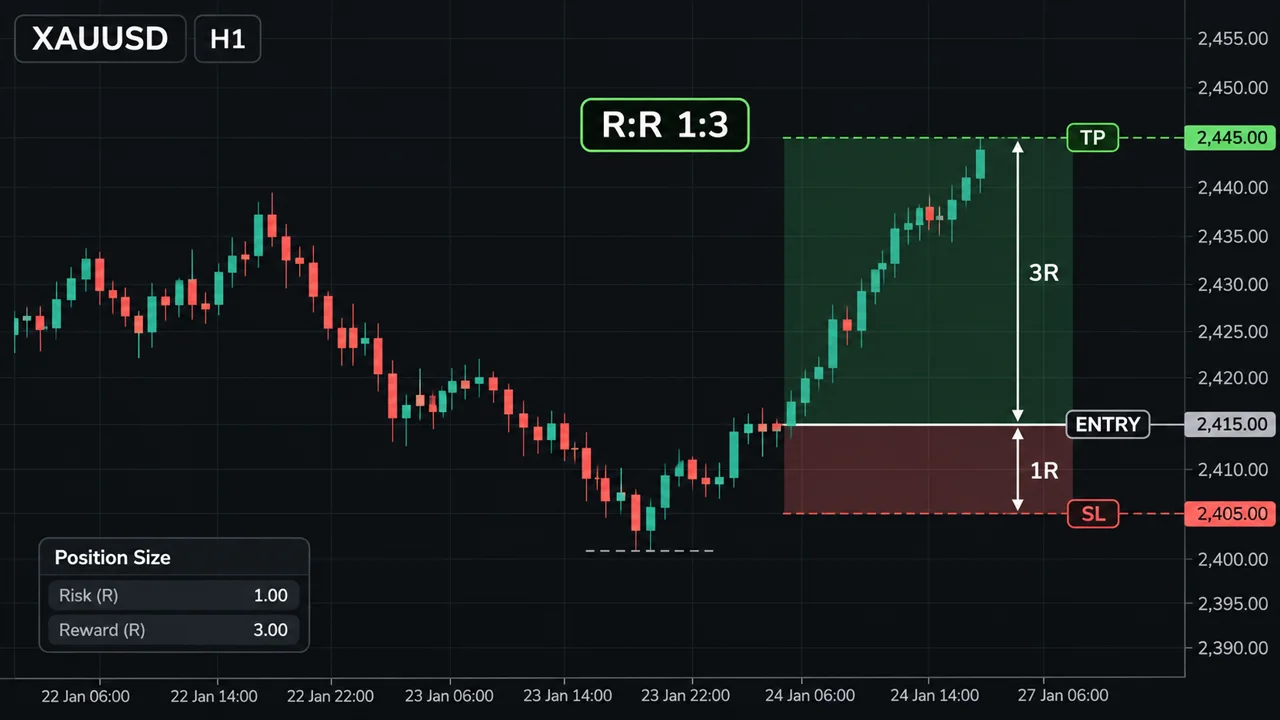
การจดผลเป็น R (หน่วยความเสี่ยง) ช่วยให้เทียบไม้ที่ล็อตต่างกันได้ เช่น ถ้าเสี่ยง $10 แล้วได้ $20 คือ +2R
วิธีทบทวนรายสัปดาห์
- แยกไม้เป็นสองกลุ่ม ไม้ตามแผน กับไม้นอกแผน
- รวมผลของแต่ละกลุ่ม เป็น R และเป็นเงิน
- หาแพตเทิร์นของไม้นอกแผน มักเกิดเวลาไหน หลังเหตุการณ์อะไร เช่น หลังแพ้ หรือช่วงดึก
- ดูไม้ตามแผน ว่ายังให้ผลตามที่คาดไหม ต้องใช้ไม้จำนวนมากพอก่อนตัดสิน
- ตั้งเป้าหนึ่งข้อสำหรับสัปดาห์หน้า เช่น "ไม่มีไม้นอกแผนหลังสามทุ่ม"
คำถามที่บันทึกตอบได้
เมื่อจดอย่างซื่อสัตย์ไปสักสองสามสัปดาห์ บันทึกจะเริ่มตอบคำถามที่ความจำตอบไม่ได้
- ช่วงเวลาไหนของวันที่เกิดไม้นอกแผนมากที่สุด
- ไม้ที่เปิดถัดจากไม้แพ้ แพ้บ่อยกว่าปกติไหม
- เราปิดไม้ชนะก่อนถึงเป้าบ่อยแค่ไหน และเสียส่วนต่างเฉลี่ยเท่าไหร่
- ตลาดหรือรูปแบบไหนที่สร้างผลจริง และตัวไหนแค่เพิ่มต้นทุน
- อารมณ์ก่อนเข้าไม้ สัมพันธ์กับการทำตามกฎหรือไม่
แต่ละคำตอบจะชี้ไปที่กฎหนึ่งข้อที่ควรเพิ่มหรือตัดออก
สมมติบันทึก 20 ไม้ในหนึ่งเดือน (ตัวเลขสมมติเพื่ออธิบายวิธีคิด) ไม้ตามแผน 12 ไม้ ชนะ 6 ไม้ เฉลี่ย +$30 = +$180 แพ้ 6 ไม้ เฉลี่ย −$15 = −$90 สุทธิ +$90 ไม้นอกแผน 8 ไม้ ชนะ 2 ไม้ เฉลี่ย +$20 = +$40 แพ้ 6 ไม้ เฉลี่ย −$25 = −$150 สุทธิ −$110 รวมทั้งเดือน +$90 − $110 = −$20 ถ้าดูแค่ยอดรวม จะสรุปว่า "ระบบไม่ได้ผล" แต่บันทึกบอกว่าไม้ตามแผนยังบวก ปัญหาจริงคือไม้นอกแผน ซึ่งแก้ด้วยกฎพฤติกรรม ไม่ใช่การเปลี่ยนระบบ (12 ไม้ยังน้อยเกินไปที่จะยืนยันว่าระบบดีจริง ต้องเก็บต่อ แต่ทิศทางที่ต้องแก้ชัดเจนแล้ว)
ข้อผิดพลาดที่พบบ่อย
- จดเฉพาะไม้ที่ชนะ หรือเฉพาะวันที่อารมณ์ดี บันทึกที่เลือกจดจะหลอกเรา ทุกไม้ต้องอยู่ในนั้น
- จดแต่ตัวเลข ไม่จดเหตุผลและอารมณ์ จะได้ข้อมูลเหมือนประวัติในแอป ไม่ได้อะไรเพิ่ม
- จดย้อนหลังหลายวัน ความจำเรื่องเหตุผลและอารมณ์เพี้ยนเร็วมาก จดภายในวันเดียวกัน
- จดแต่ไม่เคยทบทวน บันทึกที่ไม่ได้อ่านมีค่าเป็นศูนย์
- ฟอร์มยุ่งยากเกินไป ถ้าต้องกรอก 30 ช่อง สุดท้ายจะเลิกจด เริ่มจาก 6–8 ช่องที่ตารางด้านบน
ใช้บนมือถือ
ทำแบบฟอร์มในแอปสเปรดชีตหรือแอปโน้ตบนมือถือ ใช้ตัวเลือกแบบกดเลือก (ใช่/ไม่ใช่ หรือรายการอารมณ์) แทนการพิมพ์ยาว จะจดได้ภายในหนึ่งนาทีหลังปิดไม้ ถ่ายภาพหน้าจอกราฟตอนเข้าและตอนออกเก็บไว้ในอัลบั้มแยก ตั้งชื่อด้วยวันที่ ช่วยได้มากตอนทบทวนสุดสัปดาห์
สรุป
- บันทึกการเทรดแยกได้ว่าปัญหาอยู่ที่ระบบหรือที่พฤติกรรม
- จดเหตุผล ตามแผนไหม อารมณ์ และผลเป็น R ไม่ใช่แค่ตัวเลข
- ทบทวนทุกสัปดาห์ แยกไม้ตามแผนกับนอกแผน
- เริ่มจากฟอร์มสั้น ๆ ที่จดได้ทุกไม้ ดีกว่าฟอร์มยาวที่เลิกจดกลางทาง
A trading journal is a record of every trade you take, with your reasons, your feelings and the result. Many traders skip it because it feels tedious, yet it is the only tool that tells you whether you lost because the method is weak or because you did not follow the method. Those two problems have different fixes, and without a journal you cannot tell them apart.
Why the app's history is not enough
MT4/MT5 already stores your entry, exit and profit or loss. What it does not store is what matters most:
- Why you took the trade.
- Whether it matched your plan.
- How you felt at the time.
- Whether you changed the trade along the way, and why.
You have to record those yourself, and they are what make a journal valuable.
Fields worth recording
| Field | Example |
|---|---|
| Date/time, market, direction | 12 Mar 15:20, XAUUSD, buy |
| Entry reason (per checklist) | Bounce from H1 zone + engulfing candle |
| To plan? | Yes / No (name the broken rule) |
| SL, TP, lot, risk in R | SL $5, TP $10, 0.02, 1R |
| Result in R and money | +2R / +$20 |
| Emotion before and after | Calm / annoyed after previous trade |
| Changes during the trade | None / stop moved to breakeven |
| One-line lesson | Waiting for the candle close gave a better price |
Recording results in R (units of risk) lets you compare trades of different sizes: risk $10 and make $20, and that is +2R.
A weekly review
- Split trades into two groups: plan trades and off-plan trades.
- Total each group in R and in money.
- Look for patterns in the off-plan trades — what time, after what event (after a loss, late at night).
- Check the plan trades are behaving as expected; you need a decent sample before judging.
- Set one goal for next week, such as "no off-plan trades after 9 pm."
Questions your journal can answer
After a few weeks of honest entries, the journal starts answering questions you could never answer from memory:
- Which hours of the day produce most of your off-plan trades?
- Do you lose more often on the trade right after a loss?
- Are your winners being closed before target, and by how much on average?
- Which market or setup actually carries your results, and which one only adds costs?
- Does your emotion rating before a trade predict how well you follow the rules?
Each answer points to one specific rule you can add or remove.
Suppose a month with 20 journaled trades (hypothetical numbers to show the method). 12 plan trades: 6 wins averaging +$30 = +$180; 6 losses averaging −$15 = −$90. Net +$90. 8 off-plan trades: 2 wins averaging +$20 = +$40; 6 losses averaging −$25 = −$150. Net −$110. Month total: +$90 − $110 = −$20. Looking only at the total, you would conclude "the method doesn't work." The journal shows the plan trades were positive; the real problem is the off-plan trades, which you fix with behaviour rules, not a new method. (Twelve trades is far too few to prove the method works — keep collecting — but the direction of the fix is already clear.)
Common mistakes
- Logging only winners, or only on good days. A selective journal lies to you. Every trade goes in.
- Recording numbers but not reasons and emotions. Then you have the same data as the app and learn nothing new.
- Logging days later. Memory of reasons and feelings distorts quickly; log the same day.
- Logging but never reviewing. An unread journal is worth nothing.
- An over-complicated form. With 30 fields you will eventually stop. Start with the 6–8 in the table above.
On a phone
Build the form in a spreadsheet or notes app on your phone, using tap-to-select options (yes/no, a list of emotions) instead of long typing, so you can log a trade within a minute of closing it. Take screenshots of the chart at entry and exit and keep them in a separate album named by date — it helps a lot during the weekend review.
Summary
- A journal tells you whether the problem is the method or your behaviour.
- Record the reason, plan compliance, emotion and result in R — not just numbers.
- Review weekly, separating plan trades from off-plan trades.
- A short form you fill in every time beats a long one you abandon.