ตลาดการเงินทำงานอย่างไร (How Markets Work)How Financial Markets Work
เข้าใจว่าราคาขยับเพราะอะไร ใครซื้อใครขาย และการเทรดผ่านโบรกเกอร์ทำงานอย่างไรก่อนเปิดไม้แรกUnderstand why prices move, who is on the other side of your trade, and how trading through a broker actually works.
ในบทความนี้ · 9
In this article · 9
ทุกครั้งที่คุณกดซื้อหรือขายบนมือถือ มีกลไกจำนวนมากทำงานอยู่เบื้องหลัง ถ้าไม่เข้าใจกลไกนี้ คุณจะมองราคาเป็นแค่เส้นที่ขึ้นลงแบบสุ่ม แต่ถ้าเข้าใจ คุณจะเริ่มเห็นว่าทำไมราคาวิ่งแรงในบางช่วง ทำไมสเปรดกว้างตอนข่าวออก และทำไมราคาที่คุณเห็นอาจไม่ใช่ราคาที่คุณได้จริง
ตลาดคืออะไร
ตลาด (Market) คือที่ที่ผู้ซื้อและผู้ขายมาเจอกัน ราคาที่เห็นบนจอคือราคาล่าสุดที่ทั้งสองฝ่ายตกลงกันได้ ไม่ใช่ "ราคาที่ถูกต้อง" ของสินทรัพย์นั้น ราคาจะขึ้นเมื่อคนอยากซื้อมากกว่าคนอยากขาย ณ ราคานั้น และจะลงเมื่อฝั่งขายมีแรงมากกว่า
หลักนี้เรียกว่าอุปสงค์และอุปทาน (Supply and Demand) ทุกอย่างที่คุณจะเรียนต่อจากนี้ ไม่ว่าแนวรับแนวต้าน อินดิเคเตอร์ หรือข่าว ล้วนเป็นวิธีพยายามอ่านว่าแรงซื้อหรือแรงขายกำลังจะชนะ
ตลาดแบบมีศูนย์กลาง กับตลาดนอกตลาด
ตลาดมีสองแบบหลัก:
- ตลาดแบบมีศูนย์กลาง (Exchange) เช่น ตลาดหุ้นหรือตลาดฟิวเจอร์ส ทุกคำสั่งไปรวมที่สมุดคำสั่ง (Order Book) เดียว ทุกคนเห็นราคาเดียวกัน
- ตลาดนอกตลาด (OTC — Over the Counter) เช่น ตลาดฟอเร็กซ์ (Forex) และทองคำสปอต (Spot Gold) ไม่มีอาคารกลาง ธนาคาร สถาบันการเงิน และผู้ให้สภาพคล่อง (Liquidity Provider) ซื้อขายกันผ่านเครือข่าย ราคาจึงต่างกันเล็กน้อยในแต่ละที่
รายย่อยที่เทรดฟอเร็กซ์และทองผ่านแอป MT4/MT5 ส่วนใหญ่อยู่ในโลก OTC และมักเทรดผ่านสัญญาซื้อขายส่วนต่าง (CFD — Contract for Difference) คือคุณไม่ได้ถือทองจริงหรือเงินยูโรจริง แต่ทำสัญญากับโบรกเกอร์ว่าจะจ่ายหรือรับ "ส่วนต่าง" ของราคาระหว่างตอนเปิดกับตอนปิด
ใครอยู่ในตลาดบ้าง
- ธนาคารกลาง (Central Bank) กำหนดดอกเบี้ยและบางครั้งเข้าแทรกแซงค่าเงิน ส่งผลระยะยาวต่อค่าเงินและทองคำ
- ธนาคารพาณิชย์และสถาบันขนาดใหญ่ ซื้อขายปริมาณมหาศาล ทั้งเพื่อลูกค้าและเพื่อตัวเอง
- บริษัทข้ามชาติ แลกเงินเพื่อจ่ายค่าสินค้า ไม่ได้สนใจกำไรจากการเทรด แต่สร้างแรงซื้อขายจริง
- กองทุน ทั้งกองทุนที่ถือยาวและกองทุนที่เทรดตามระบบ
- รายย่อย (Retail Trader) อย่างเรา มีขนาดเล็กมากเมื่อเทียบกับรายใหญ่
ข้อสำคัญคือ รายย่อยไม่ได้ขยับราคา เราเป็นผู้ตามราคา (Price Taker) สิ่งที่ทำได้คือหาจังหวะที่ได้เปรียบและคุมความเสี่ยงให้ดี
ราคาเสนอซื้อ ราคาเสนอขาย และสเปรด
บนแอปคุณจะเห็นสองราคาเสมอ:
- Bid ราคาที่คุณขายได้
- Ask ราคาที่คุณซื้อได้ (สูงกว่า Bid เสมอ)
ส่วนต่างระหว่างสองราคาคือสเปรด (Spread) เป็นต้นทุนแรกของทุกไม้ เมื่อคุณซื้อที่ Ask ไม้นั้นจะติดลบทันทีเท่ากับสเปรด เพราะถ้าจะปิดต้องขายที่ Bid
สมมติทอง (XAUUSD) มี Bid 2,000.00 และ Ask 2,000.30 คุณซื้อ 0.10 ล็อต ได้ราคา 2,000.30 ทันทีที่เปิด ไม้จะแสดง −$3.00 เพราะต้องปิดที่ Bid 2,000.00 (ห่าง $0.30 × $10 ต่อ $1 สำหรับ 0.10 ล็อต = $3) ต่อมา Bid ขึ้นไป 2,005.30 คุณปิดไม้ ได้ส่วนต่าง 2,005.30 − 2,000.30 = $5.00 กำไร = $5.00 × $10 = $50 (ทอง 0.10 ล็อต = 10 ออนซ์ ราคาขยับ $1 = $10) ถ้าราคาลงไป Bid 1,995.30 แล้วคุณปิด ก็ขาดทุน $5.00 × $10 = $50 เท่ากัน
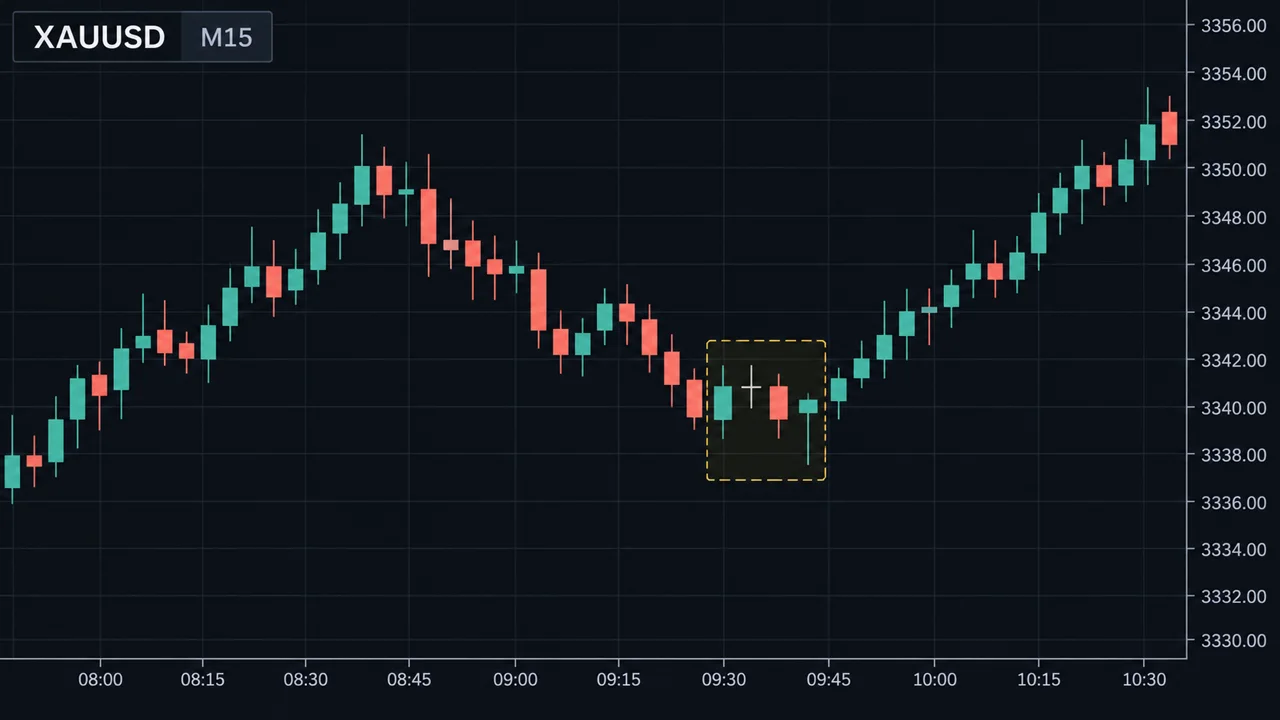
ดูภาพด้านล่าง
โบรกเกอร์ทำหน้าที่อะไร
โบรกเกอร์ (Broker) เป็นตัวกลางระหว่างคุณกับตลาด รูปแบบหลักมีสองแบบ:
- ส่งคำสั่งออกไปยังผู้ให้สภาพคล่อง โบรกได้รายได้จากสเปรดหรือค่าคอมมิชชั่น
- รับคำสั่งไว้เอง (Market Maker) โบรกเป็นคู่สัญญาของคุณโดยตรง
ทั้งสองแบบถูกกฎหมายได้ทั้งคู่ถ้าอยู่ภายใต้การกำกับที่น่าเชื่อถือ สิ่งที่ควรสนใจมากกว่าคือ ความโปร่งใสของต้นทุน ความเร็วในการส่งคำสั่ง และความปลอดภัยของเงินฝาก รายละเอียดอ่านต่อได้ที่ โบรกเกอร์และประเภทบัญชี
อะไรทำให้ราคาขยับ
- ข่าวเศรษฐกิจ เช่น ตัวเลขการจ้างงาน เงินเฟ้อ การประชุมดอกเบี้ย
- ความคาดหวัง ตลาดขยับตาม "ความต่างระหว่างสิ่งที่คาดกับสิ่งที่เกิดจริง" มากกว่าตัวเลขดิบ
- สภาพคล่อง (Liquidity) ช่วงที่คนเทรดน้อย ราคาอาจกระโดดแรงจากคำสั่งไม่กี่คำสั่ง
- การไหลของคำสั่งขนาดใหญ่ สถาบันต้องแบ่งซื้อขายเป็นช่วง ๆ ทำให้เกิดแนวโน้ม
จุดอ่อน / ข้อผิดพลาดที่พบบ่อย
- คิดว่าราคาบนจอคือราคาที่จะได้แน่นอน ในตลาดเร็วคุณอาจได้ราคาต่างไป เรียกว่าสลิปเพจ (Slippage)
- ลืมว่ามีต้นทุนก่อนเริ่ม สเปรด ค่าคอมมิชชั่น และสวอป กินกำไรทุกไม้ อ่านต่อที่ สเปรด สวอป และค่าคอมมิชชั่น
- เชื่อว่ามีคน "ปั่นราคา" ใส่ไม้เราโดยเฉพาะ บางครั้งราคาวิ่งชน SL จริง แต่ส่วนใหญ่เป็นเพราะ SL วางอยู่จุดที่ทุกคนวางเหมือนกัน
- ไม่เข้าใจว่า CFD ไม่ใช่การถือสินทรัพย์จริง คุณไม่มีทองในมือ และเงื่อนไขขึ้นกับสัญญาของโบรก
ใช้บนมือถือ
ในแอป MT4/MT5 แตะที่หน้า Quotes แล้วเปิดโหมดแสดงแบบละเอียด จะเห็น Bid, Ask และสเปรดของแต่ละสินทรัพย์ ลองเปิดดูในช่วงตลาดเงียบกับช่วงข่าวออก แล้วสังเกตว่าสเปรดเปลี่ยนไปแค่ไหน เป็นการเรียนรู้กลไกตลาดที่ได้ผลและไม่มีค่าใช้จ่าย
สรุป
- ราคาคือจุดที่ผู้ซื้อกับผู้ขายตกลงกันได้ ขยับตามแรงซื้อขาย
- ฟอเร็กซ์และทองสปอตเป็นตลาด OTC รายย่อยมักเทรดผ่าน CFD
- ทุกไม้เริ่มต้นติดลบเท่าสเปรด เพราะซื้อที่ Ask ขายที่ Bid
- รายย่อยเป็นผู้ตามราคา จุดแข็งของเราคือวินัยและการคุมความเสี่ยง
- เลือกโบรกจากความโปร่งใสและการกำกับดูแล ไม่ใช่จากโบนัส
Every time you tap Buy or Sell on your phone, a lot happens behind the screen. Without understanding it, price looks like a random line. Once you understand it, you start to see why price moves hard at certain times, why the spread widens during news, and why the price you see is not always the price you get.
What a market is
A market is where buyers and sellers meet. The price on your screen is simply the last price both sides agreed on — not the "correct" value of the asset. Price rises when more people want to buy than sell at that level, and falls when sellers are more aggressive.
This is supply and demand. Everything you learn later — support and resistance, indicators, news — is an attempt to read whether buying or selling pressure is about to win.
Exchanges versus over-the-counter markets
There are two main kinds of market:
- Exchanges, such as stock or futures exchanges. All orders meet in one central order book, and everyone sees the same price.
- Over-the-counter (OTC) markets, such as forex and spot gold. There is no central building. Banks, financial institutions and liquidity providers trade with each other over networks, so prices differ slightly from place to place.
Retail traders who trade forex and gold through MT4/MT5 are mostly in the OTC world, usually through a CFD (Contract for Difference). You do not own any gold or euros. You hold a contract with your broker to pay or receive the difference in price between opening and closing.
Who is in the market
- Central banks set interest rates and sometimes intervene in currencies, driving long-term moves in currencies and gold.
- Commercial banks and large institutions trade enormous volume, for clients and for themselves.
- Multinational companies exchange currency to pay for goods. They do not care about trading profit, but they create real flow.
- Funds, both long-term holders and systematic traders.
- Retail traders like us, tiny compared with everyone above.
The key point: retail traders do not move price. We are price takers. What we can control is picking favourable moments and managing risk well.
Bid, ask and spread
Your app always shows two prices:
- Bid — the price you can sell at.
- Ask — the price you can buy at (always higher than the bid).
The gap between them is the spread, the first cost of every trade. When you buy at the ask, the trade is immediately negative by the spread, because closing it means selling at the bid.
Suppose gold (XAUUSD) shows bid 2,000.00 and ask 2,000.30. You buy 0.10 lot and get filled at 2,000.30. The moment it opens, the trade shows −$3.00, because it would close at the bid of 2,000.00 ($0.30 × $10 per $1 move for 0.10 lot = $3). Later the bid rises to 2,005.30 and you close. The difference is 2,005.30 − 2,000.30 = $5.00. Profit = $5.00 × $10 = $50 (0.10 lot of gold = 10 oz, so a $1 move = $10). If instead the bid fell to 1,995.30 and you closed, the loss would be the same size: $5.00 × $10 = $50.
See the chart below.
What the broker does
A broker is the intermediary between you and the market. There are two main models:
- Passing orders on to liquidity providers, earning from the spread or a commission.
- Taking the other side itself (market maker), acting as your direct counterparty.
Both can be legitimate under credible regulation. What matters more is cost transparency, execution speed and the safety of your deposit. More in Brokers and Account Types.
What makes price move
- Economic data such as employment, inflation and interest-rate decisions.
- Expectations — markets react to the gap between what was expected and what happened, more than to the raw number.
- Liquidity — when few people are trading, a handful of orders can make price jump.
- Large order flow — institutions split big orders over time, which helps create trends.
Weaknesses / common mistakes
- Assuming the screen price is guaranteed. In fast markets you may be filled elsewhere. This is called slippage.
- Forgetting costs exist before you start. Spread, commission and swap eat into every trade. See Spread, Swap and Commission.
- Believing someone is "hunting" your trade personally. Price sometimes does run stops, but usually because your stop sits exactly where everyone else's does.
- Not realising a CFD is not ownership. You hold no gold, and the terms depend on your broker's contract.
On a phone
In the MT4/MT5 app, open the Quotes screen and switch to the detailed view to see bid, ask and spread for each symbol. Check it once during a quiet period and once around a news release, and notice how much the spread changes. It is a free and effective way to learn how the market really works.
Summary
- Price is where buyers and sellers agree; it moves with buying and selling pressure.
- Forex and spot gold are OTC markets; retail traders usually trade them as CFDs.
- Every trade starts negative by the spread, because you buy at the ask and sell at the bid.
- Retail traders are price takers; our edge is discipline and risk control.
- Choose a broker for transparency and regulation, not for bonuses.