การเฮดจ์และการล็อกไม้ (Hedging)Hedging
การเฮดจ์ที่ลดความเสี่ยงได้จริง ต่างจาก "การล็อกไม้" ที่แค่ซ่อนขาดทุนอย่างไร ต้นทุนที่ซ่อนอยู่ และตัวอย่างตัวเลขของการปลดล็อกที่ผิดจังหวะHow real hedging that reduces risk differs from "locking" a losing trade, which only hides the loss — the hidden costs, and a worked example of unlocking at the wrong time.
ในบทความนี้ · 7
In this article · 7
การเฮดจ์ (Hedging) คือการเปิดสถานะที่ได้กำไรเมื่อสถานะเดิมขาดทุน เพื่อลดความเสี่ยงโดยรวม ในโลกการเงิน บริษัทใช้การเฮดจ์เพื่อป้องกันความเสี่ยงค่าเงินที่เกิดจากธุรกิจจริง แต่ในหมู่นักเทรดรายย่อย คำนี้มักถูกใช้หมายถึง "การล็อกไม้" คือเปิดไม้สวนทางกับไม้ที่ขาดทุนอยู่ ในขนาดเท่ากัน ซึ่งแทบไม่ได้ลดความเสี่ยงเลย แค่ทำให้ตัวเลขขาดทุนหยุดขยับชั่วคราว บทความนี้แยกสองอย่างนี้ออกจากกัน
การเฮดจ์ที่ลดความเสี่ยงได้จริง
การเฮดจ์มีเหตุผลเมื่อคุณมีความเสี่ยงที่ "ต้องมี" และอยากลดบางส่วนโดยไม่ปิดสถานะหลัก ตัวอย่างที่พบในการเทรด
- ลดความเสี่ยงชั่วคราวก่อนเหตุการณ์: ถือไม้ระยะยาวอยู่และไม่อยากปิด แต่กังวลข่าวใหญ่ จึงเปิดสถานะสวนทางขนาดเล็กกว่าเพื่อลดผลกระทบช่วงนั้น แล้วปิดเมื่อเหตุการณ์ผ่าน
- ลดความเสี่ยงที่ซ้อนกัน: ถือหลายคู่ที่ทั้งหมดเป็นการซื้อ USD อยู่ ซึ่งจริง ๆ คือเดิมพันเดียวกัน (ความสัมพันธ์ของไม้) การปิดบางส่วนหรือเปิดสถานะที่ชดเชยช่วยให้ความเสี่ยงรวมไม่ใหญ่เกิน
- เฮดจ์ข้ามตลาด: ใช้ตลาดที่มักเคลื่อนไหวสัมพันธ์กันเพื่อชดเชยบางส่วน (การวิเคราะห์ระหว่างตลาด) แต่ความสัมพันธ์เปลี่ยนได้ จึงไม่ใช่การป้องกันที่สมบูรณ์
สิ่งที่การเฮดจ์ที่ดีมีร่วมกันคือ วางแผนไว้ก่อน มีเหตุผลชัด และรู้ว่าจะปิดเมื่อไร
การล็อกไม้ (Locking): ทำไมไม่ใช่การแก้ปัญหา
สมมติไม้ซื้อขาดทุนอยู่ แทนที่จะปิด นักเทรดเปิดไม้ขายขนาดเท่ากัน ผลคือขาดทุนสุทธิ "ถูกล็อก" ไว้ที่ตัวเลขปัจจุบัน ราคาจะขึ้นหรือลงก็ไม่เปลี่ยน ในทางคณิตศาสตร์ สิ่งนี้เกือบเท่ากับการปิดไม้ที่ขาดทุน แต่มีความต่างที่ทำให้แย่กว่า
- จ่ายต้นทุนเพิ่ม: สเปรดของไม้ที่สอง และค่าสวอปของทั้งสองไม้ ซึ่งบ่อยครั้งติดลบทั้งสองฝั่ง (สเปรด สวอป และค่าคอมมิชชัน)
- มาร์จิ้นถูกใช้ต่อ: ขึ้นกับเงื่อนไขของบัญชี ไม้ที่ล็อกอาจยังใช้มาร์จิ้นอยู่
- ปัญหาจริงคือการปลดล็อก: สุดท้ายต้องปิดไม้ใดไม้หนึ่งก่อน ซึ่งคือการทายทิศทางอีกครั้ง ถ้าทายผิด ขาดทุนจะโตขึ้นจากเดิม
- ไม่ยอมรับความผิดพลาด: การล็อกทำให้ไม่ต้อง "ยอมรับ" ว่าขาดทุน ซึ่งเป็นเหตุผลทางใจ ไม่ใช่เหตุผลทางการเทรด
ซื้อทองคำ 0.10 ล็อต ที่ 1,950 (ราคาขยับ $1 = $10) ราคาลงมา 1,940 ขาดทุนลอย −$100 แทนที่จะปิด เปิดขาย 0.10 ล็อต ที่ 1,940 จ่ายสเปรด $0.30 × $10 = $3 ขาดทุนสุทธิถูกล็อกที่ประมาณ −$100 สมมติค่าสวอปฝั่งซื้อ −$1.20 และฝั่งขาย −$0.80 ต่อคืน รวม −$2 ต่อคืน ล็อกไว้ 20 คืน = −$40 จากนั้นราคาลงไป 1,930 นักเทรดคิดว่าถึงก้นแล้ว จึงปิดไม้ขายได้กำไร ($1,940 − $1,930) × $10 = +$100 แต่ราคาลงต่อไป 1,920 ไม้ซื้อที่เหลือขาดทุน ($1,950 − $1,920) × $10 = −$300 ผลรวม +$100 − $300 − $3 − $40 = −$243 เทียบกับการตัดขาดทุนที่ 1,940 ตั้งแต่แรก ซึ่งเสียประมาณ $100 บวกสเปรด
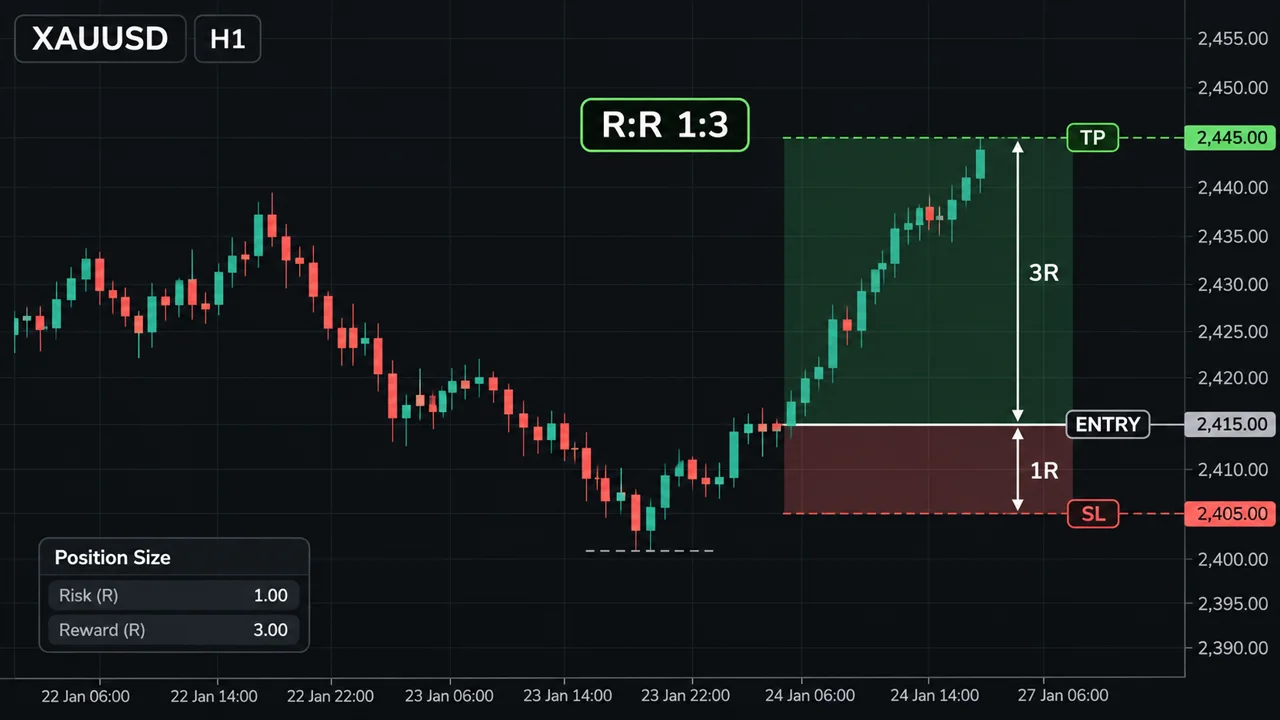
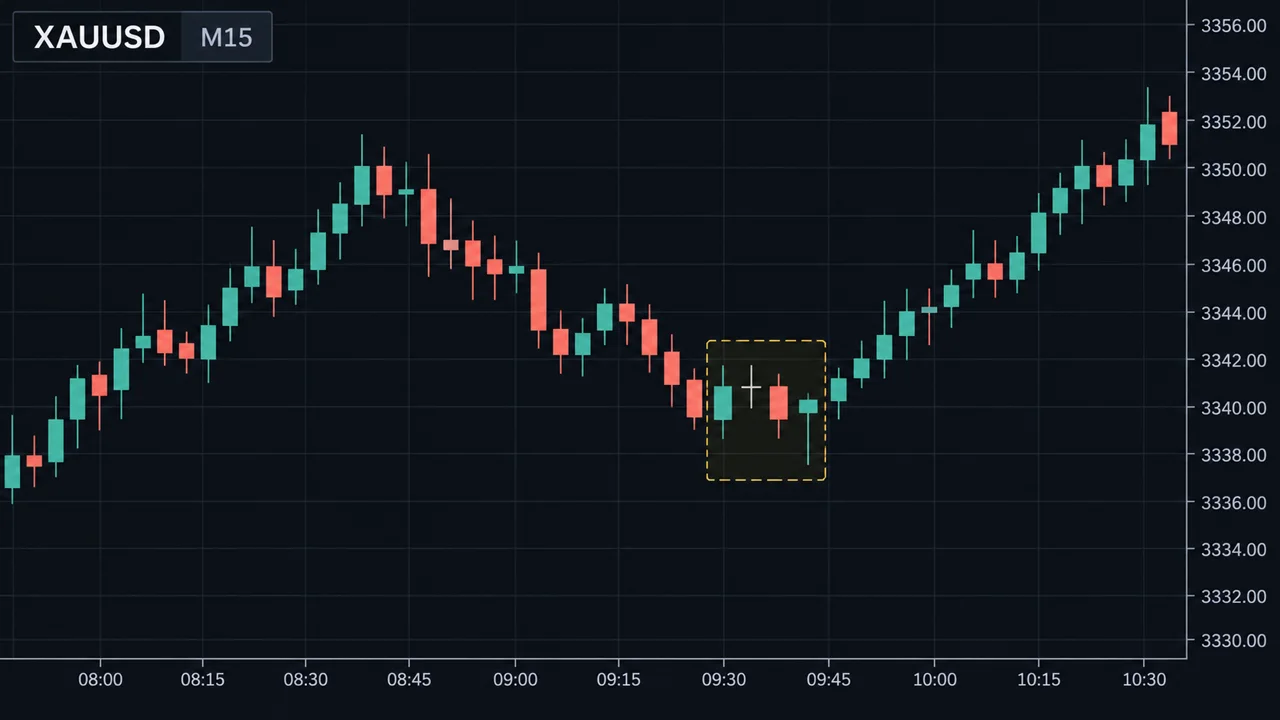
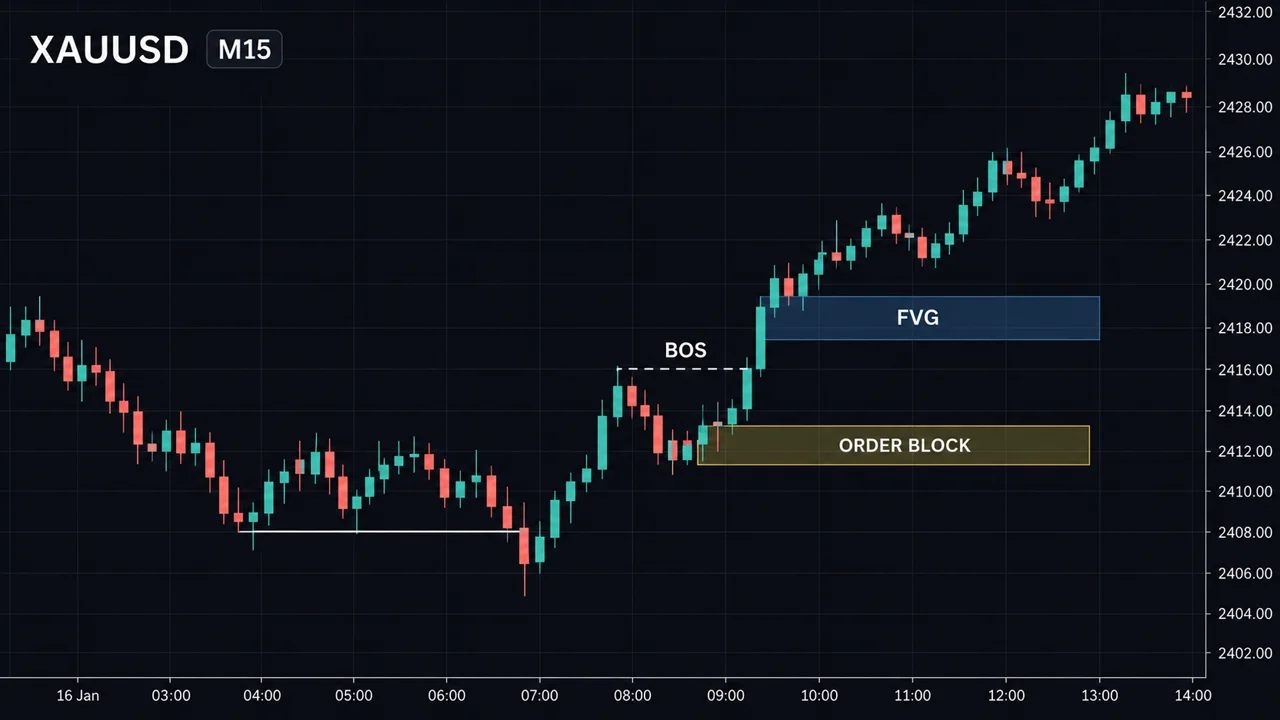
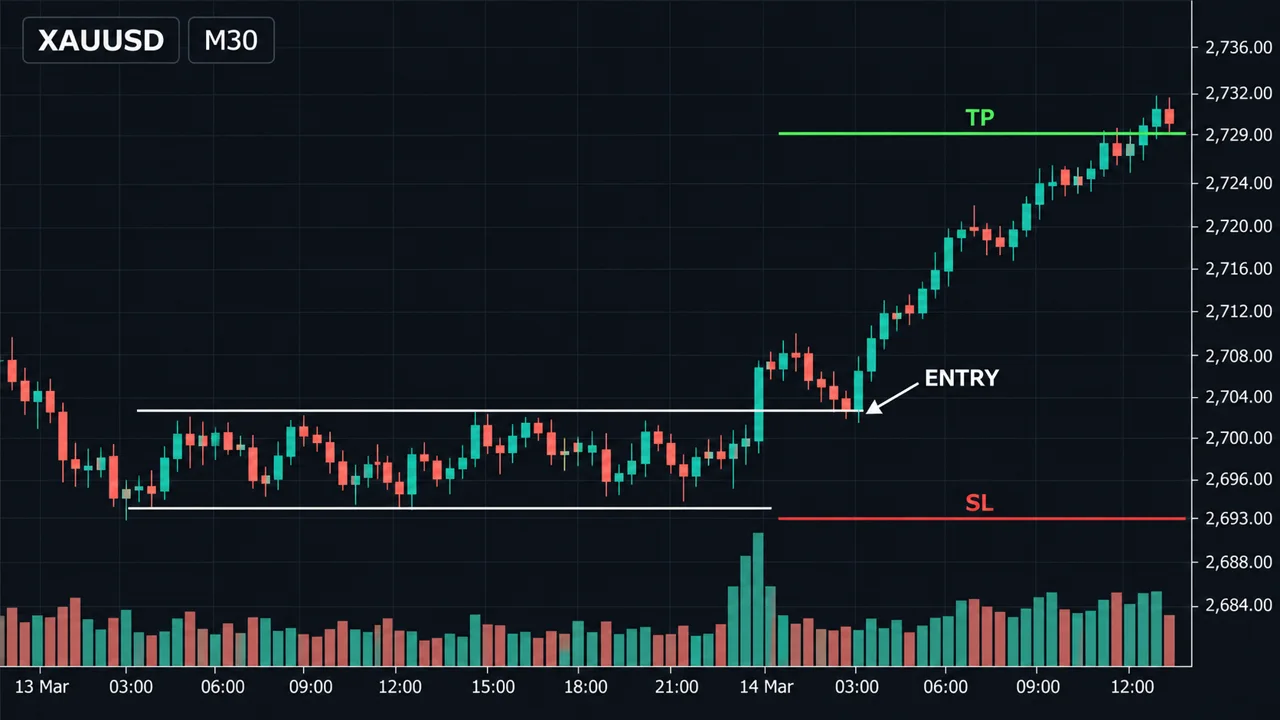
ดูภาพด้านล่าง
บัญชีแบบเฮดจ์กับแบบเน็ตติ้ง
บางแพลตฟอร์มมีบัญชีสองแบบ แบบ "เฮดจ์จิ้ง" (Hedging) อนุญาตให้มีไม้ซื้อและขายในสัญลักษณ์เดียวกันพร้อมกัน ส่วนแบบ "เน็ตติ้ง" (Netting) จะรวมเป็นสถานะสุทธิเดียว การเปิดไม้ขายในบัญชีเน็ตติ้งจึงเท่ากับการลดหรือปิดไม้ซื้อ ไม่ใช่การล็อก ควรรู้ว่าบัญชีของตัวเองเป็นแบบไหน (ประเภทโบรกและบัญชี) และบางโบรกหรือบางพื้นที่มีกฎเรื่องนี้แตกต่างกัน
เหมาะกับใคร
- การเฮดจ์ที่มีแผน: นักเทรดที่ถือสถานะระยะยาวหรือหลายตลาด และเข้าใจความสัมพันธ์ระหว่างตลาด
- นิสัย: ต้องตัดสินใจล่วงหน้าว่าจะเฮดจ์เมื่อไร ขนาดเท่าไร และปิดเมื่อไร ไม่ใช่ตัดสินตอนกำลังขาดทุน
- ขนาดบัญชี: การเฮดจ์ใช้มาร์จิ้นและต้นทุนเพิ่ม บัญชีเล็กมักได้ประโยชน์จากการลดขนาดไม้หรือปิดไม้มากกว่า
จุดอ่อน / ข้อผิดพลาดที่พบบ่อย
- ใช้การล็อกแทน SL: เปลี่ยนการตัดขาดทุนที่ชัดเจนเป็นปัญหาที่ต้องทายทิศสองครั้ง
- ลืมต้นทุนสวอป: ไม้ที่ล็อกค้างหลายสัปดาห์จ่ายสวอปทั้งสองฝั่ง
- ปลดล็อกตามอารมณ์: ปิดฝั่งที่กำไรเพราะอยากเห็นตัวเลขบวก แล้วปล่อยฝั่งขาดทุนวิ่งต่อ
- คิดว่าคู่ที่สัมพันธ์กันคือการเฮดจ์สมบูรณ์: ความสัมพันธ์อาจหายไปในช่วงที่ต้องการมากที่สุด
- ล็อกหลายชั้น: เปิดไม้สวนแล้วเปิดไม้สวนของไม้สวนอีก จนจำนวนไม้และต้นทุนบานปลาย
- ประเมินความเสี่ยงต่ำไป: การเห็นขาดทุนสุทธิ "นิ่ง" ทำให้รู้สึกปลอดภัย ทั้งที่ความเสี่ยงยังรอตอนปลดล็อก
ขาดทุนที่ล็อกไว้ยังเป็นขาดทุนจริง และจะกลับมาเมื่อปลดล็อก บวกกับต้นทุนที่จ่ายระหว่างทาง ถ้าแผนผิด การปิดไม้คือทางที่ชัดและถูกที่สุด
ใช้บนมือถือ
แอปมือถือรองรับการเปิดไม้สวนทางในบัญชีแบบเฮดจ์จิ้ง แต่การปิดไม้ทีละฝั่งบนจอเล็กพลาดง่าย (ปิดผิดฝั่ง) ถ้าต้องเฮดจ์ ให้ใช้คอมเมนต์หรือขนาดล็อตที่ต่างกันเล็กน้อยเพื่อแยกไม้ และตรวจค่าสวอปสะสมในแท็บไม้ที่เปิดอยู่เป็นประจำ
สรุป
- การเฮดจ์ที่ดีคือการลดความเสี่ยงที่วางแผนไว้ มีเหตุผลและจุดปิดที่ชัด
- การล็อกไม้ขาดทุนเกือบเท่ากับการปิดไม้ แต่จ่ายสเปรดและสวอปเพิ่ม
- ความเสี่ยงจริงของการล็อกอยู่ที่การปลดล็อก ซึ่งต้องทายทิศอีกครั้ง
- รู้ว่าบัญชีเป็นแบบเฮดจ์จิ้งหรือเน็ตติ้ง
- ถ้าแผนผิด การตัดขาดทุนตาม SL มักง่ายและถูกกว่า
Hedging means opening a position that gains when another position loses, to reduce overall risk. In finance, companies hedge currency risk that comes from real business. Among retail traders, though, the word often means "locking": opening an opposite trade of the same size against a losing trade. That barely reduces risk at all — it just freezes the loss figure for a while. This article separates the two.
Hedging that genuinely reduces risk
Hedging makes sense when you have exposure you want to keep and you want to reduce part of it without closing the main position. Examples in trading:
- Temporary risk reduction before an event: you hold a long-term position you do not want to close but are worried about a big release, so you open a smaller opposite position for that period and close it once the event has passed.
- Reducing overlapping exposure: you hold several pairs that are all, in effect, long USD — really one bet (correlation and exposure). Closing part, or opening an offsetting position, keeps total risk from becoming too large.
- Cross-market hedges: using markets that tend to move together to offset part of the risk (intermarket analysis). Relationships change, so this is never perfect protection.
What good hedges have in common: planned in advance, with a clear reason and a clear point at which they are closed.
Locking: why it is not a fix
Suppose a buy trade is losing. Instead of closing it, the trader opens a sell of the same size. The net loss is now "locked" at the current figure; whether price rises or falls, it does not change. Mathematically this is almost the same as closing the losing trade — but with differences that make it worse:
- Extra costs: the spread on the second trade, plus swap on both, which is often negative on both sides (spread, swap and commission).
- Margin stays in use: depending on the account's terms, locked positions may still consume margin.
- The real problem is unlocking: eventually you must close one side first, which means predicting direction again. Guess wrong and the loss grows beyond where it started.
- Avoiding the admission: locking lets you avoid "accepting" a loss. That is a psychological reason, not a trading one.
Buy gold 0.10 lot at 1,950 ($1 move = $10). Price falls to 1,940: floating −$100. Instead of closing, open a 0.10 lot sell at 1,940, paying $0.30 × $10 = $3 spread. The net loss is locked at about −$100. Suppose swap is −$1.20 per night on the buy and −$0.80 on the sell, −$2 per night in total; 20 nights locked = −$40. Price then falls to 1,930. The trader thinks it has bottomed and closes the sell for ($1,940 − $1,930) × $10 = +$100. But price keeps falling to 1,920. The remaining buy is now ($1,950 − $1,920) × $10 = −$300. Total +$100 − $300 − $3 − $40 = −$243. Compare that with taking the loss at 1,940 in the first place: about $100 plus spread.
See the charts below.
Hedging accounts and netting accounts
Some platforms offer two account types. A "hedging" account allows buy and sell positions on the same symbol at the same time; a "netting" account combines them into a single net position, so opening a sell there reduces or closes the buy rather than locking it. Know which type you have (broker and account types); rules on this also differ between brokers and regions.
Who it suits
- Planned hedging: traders holding long-term or multi-market positions who understand how those markets relate.
- Temperament: decides in advance when to hedge, how big, and when to remove it — not in the middle of a loss.
- Account size: hedging uses extra margin and costs; small accounts usually benefit more from reducing size or closing.
Weaknesses and common mistakes
- Locking instead of a stop: turning a clean stop-out into a problem that requires two directional calls.
- Forgetting swap: positions locked for weeks pay swap on both sides.
- Emotional unlocking: closing the profitable side to see a green number, then letting the losing side run.
- Treating correlated pairs as a perfect hedge: the relationship can vanish exactly when you need it.
- Layered locks: opening an opposite trade, then an opposite to the opposite, until the trade count and costs spiral.
- Underestimating risk: a "frozen" net loss feels safe, but the risk is waiting at the unlock.
A locked loss is still a real loss, and it comes back at the unlock, plus whatever costs you paid along the way. If the plan was wrong, closing the trade is the clearest and cheapest exit.
On a phone
Mobile apps support opposite positions on hedging accounts, but closing one side on a small screen is easy to get wrong (closing the wrong side). If you must hedge, use comments or slightly different lot sizes to tell the positions apart, and check accumulated swap in the open-positions tab regularly.
Summary
- Good hedging is planned risk reduction, with a clear reason and a clear exit.
- Locking a losing trade is almost the same as closing it, but costs extra spread and swap.
- The real risk of locking sits at the unlock, which needs another directional call.
- Know whether your account is hedging or netting.
- If the plan was wrong, taking the stop is usually simpler and cheaper.