การคัดลอกการเทรดและสัญญาณเทรด (Copy Trading & Signals)Copy Trading and Trading Signals
ตามคนอื่นเทรดทำงานอย่างไร ทำไมผลของผู้ตามมักไม่เท่าผู้ส่ง การตั้งขนาดล็อตที่ถูกต้อง และสัญญาณอันตรายที่ต้องเช็กก่อนตามHow following other traders works, why followers rarely get the provider's results, how to size lots correctly, and the red flags to check before following.
ในบทความนี้ · 7
In this article · 7
การคัดลอกการเทรด (Copy Trading) คือการให้ระบบเปิดไม้ในบัญชีของคุณตามบัญชีของนักเทรดอีกคนโดยอัตโนมัติ ส่วนสัญญาณเทรด (Trading Signals) คือการรับข้อความแนะนำจุดเข้า SL และเป้า แล้วเปิดไม้เอง ทั้งสองแบบดึงดูดมือใหม่เพราะดูเหมือนข้ามขั้นตอนการเรียนรู้ได้ แต่ความจริงคือคุณยังรับความเสี่ยงเต็มจำนวน และยังต้องตัดสินใจเรื่องสำคัญที่สุดเอง ได้แก่ จะตามใคร ด้วยขนาดเท่าไร และเลิกตามเมื่อไร
ทำงานอย่างไร
- Copy Trading: แพลตฟอร์มหรือซอฟต์แวร์เชื่อมบัญชีผู้ส่ง (Provider) กับบัญชีผู้ตาม (Follower) เมื่อผู้ส่งเปิดหรือปิดไม้ ระบบจะเปิดหรือปิดในบัญชีผู้ตามตามสัดส่วนที่ตั้งไว้
- สัญญาณผ่านข้อความ: ผู้ส่งประกาศผ่านแอปแชตหรือกลุ่ม เช่น "ซื้อทองที่ราคา X SL Y TP Z" ผู้ตามต้องเปิดไม้เอง จึงมีความล่าช้าและราคาที่ได้ต่างกัน
ในทั้งสองแบบ ผลของผู้ตามจะไม่เท่ากับผู้ส่งเป๊ะ เพราะราคาเข้า ราคาออก สเปรด ค่าธรรมเนียม และขนาดไม้ต่างกัน
เรื่องสำคัญที่สุด: ขนาดไม้
หลายระบบให้เลือกระหว่าง "ล็อตคงที่" กับ "ตามสัดส่วนทุน" การเลือกผิดคือสาเหตุใหญ่ที่ผู้ตามขาดทุนหนักกว่าผู้ส่งหลายเท่า
ผู้ส่งมีบัญชี $10,000 เปิดทองคำ 0.20 ล็อต SL ห่าง $10 → เสี่ยง $10 × $100 × 0.20 = $200 = 2% ของทุน ผู้ตามมีบัญชี $500 ตั้งค่าคัดลอกแบบล็อตคงที่ 0.20 ล็อต → เสี่ยง $200 เท่ากัน แต่คิดเป็น $200 ÷ $500 = 40% ของทุน ถ้าตั้งแบบตามสัดส่วน 0.20 × ($500 ÷ $10,000) = 0.01 ล็อต → เสี่ยง $10 × $1 = $10 = 2% เท่ากับผู้ส่ง ปัญหาล็อตขั้นต่ำ: ถ้าผู้ส่งเปิด 0.10 ล็อต SL $10 (เสี่ยง $100 = 1%) สัดส่วนจะได้ 0.005 ซึ่งต่ำกว่าล็อตขั้นต่ำ 0.01 ระบบอาจปัดขึ้นเป็น 0.01 ทำให้ผู้ตามเสี่ยง $10 = 2% แทน 1% คือสองเท่าของผู้ส่ง ความล่าช้า: ถ้าผู้ตามได้ราคาเข้าแย่กว่า $1.50 ที่ 0.01 ล็อต เสียเปรียบ $1.50 ต่อไม้ ซึ่งเท่ากับ 15% ของความเสี่ยง $10
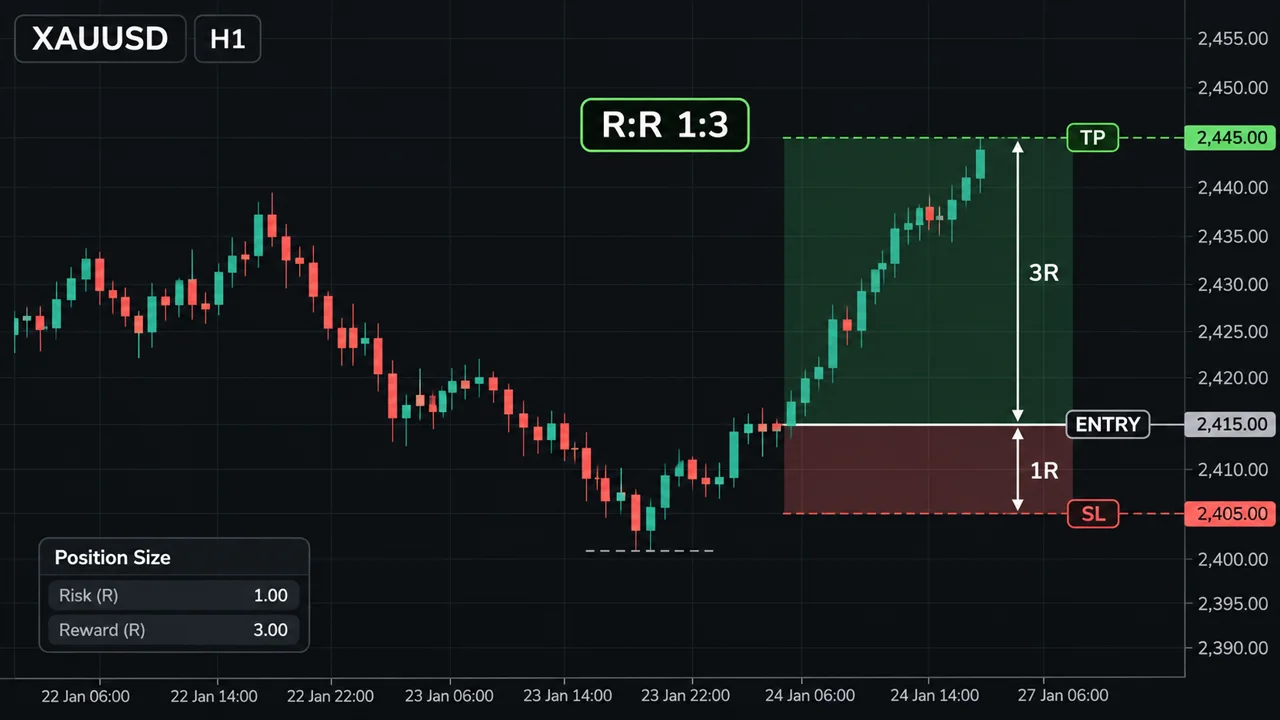
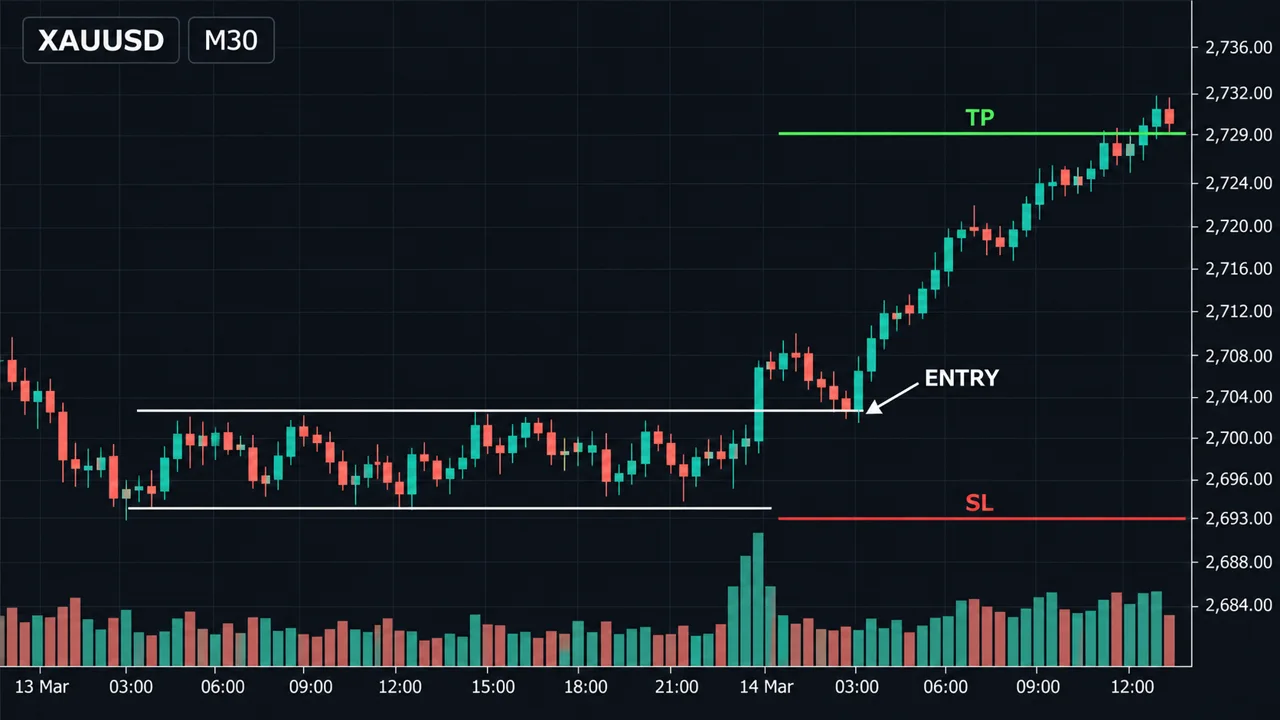
ดูภาพด้านล่าง
อ่านหลักการเพิ่มที่ การคำนวณขนาดไม้ และ ความเสี่ยงต่อไม้
ก่อนตามใคร ต้องเช็กอะไร
- ระยะเวลาของประวัติ: ผลดีสามเดือนบอกได้น้อยมาก ประวัติยาวและผ่านสภาพตลาดหลายแบบให้ข้อมูลมากกว่า
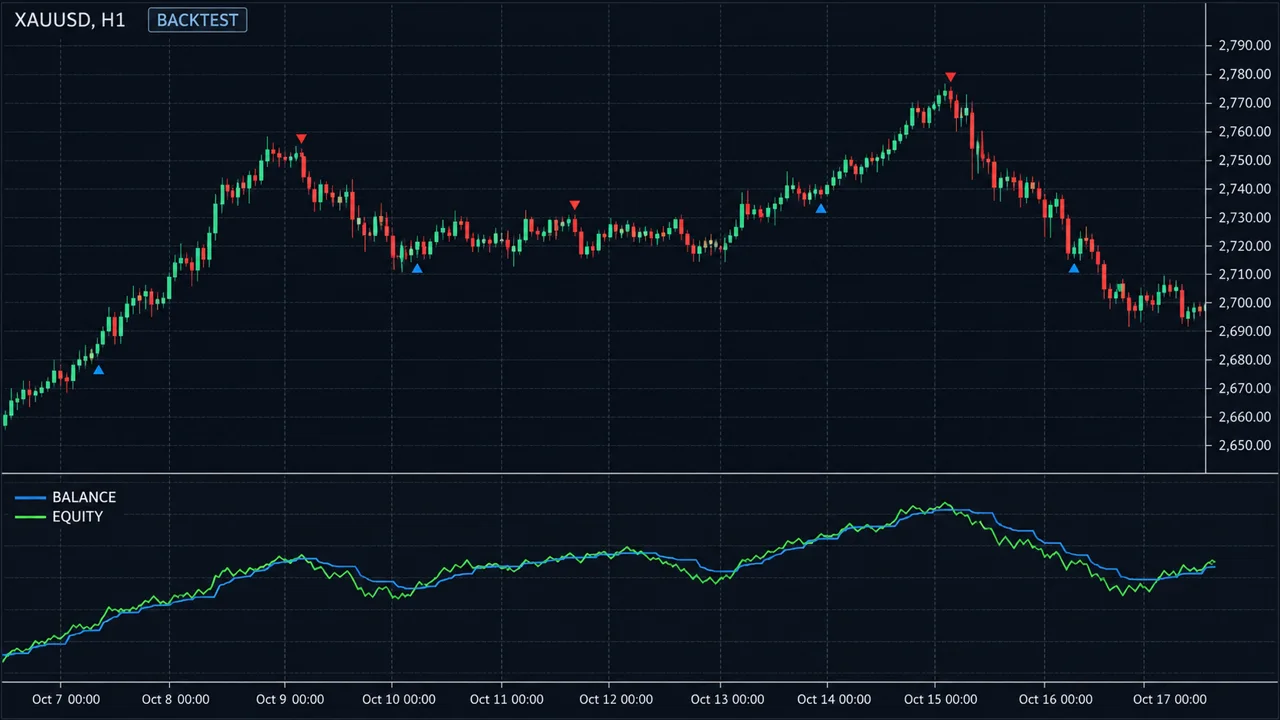
- การติดลบสูงสุด (Max Drawdown): ดูจาก Equity ไม่ใช่แค่ยอดเงิน (ตัวชี้วัดผลงาน)
- ขนาดไม้เปลี่ยนหลังแพ้ไหม: ถ้าล็อตเพิ่มหลังขาดทุน หรือมีไม้ค้างจำนวนมากในทางเดียวกัน อาจเป็น มาร์ติงเกล หรือกริด
- ไม้ที่ขาดทุนถูกปิดจริงไหม: อัตราชนะสูงมากกับกราฟยอดเงินเรียบผิดปกติ มักหมายถึงไม้ขาดทุนถูกเก็บไว้ไม่ปิด
- ความเสี่ยงต่อไม้: SL อยู่ที่ไหน คิดเป็นกี่เปอร์เซ็นต์ของทุนผู้ส่ง
- ค่าธรรมเนียม: ค่าสมาชิก ส่วนแบ่งกำไร หรือสเปรดที่บวกเพิ่ม ทั้งหมดลดผลของผู้ตาม
- ผู้ส่งเสี่ยงเงินตัวเองไหม: บัญชีเดโมหรือบัญชีที่เงินน้อยมากอาจมีพฤติกรรมต่างจากบัญชีจริง
อคติจากผู้รอดชีวิต
ตารางอันดับผู้ส่งสัญญาณมักแสดงคนที่ผลดีที่สุดในตอนนี้ คนที่ล้างพอร์ตไปแล้วหายไปจากตาราง สิ่งที่เห็นจึงเป็นกลุ่มที่รอดและโชคดีในช่วงที่ผ่านมา ไม่ใช่ภาพรวม นอกจากนี้ ผู้ส่งที่ใช้ความเสี่ยงสูงมักขึ้นอันดับเร็วในช่วงดี และตกเร็วในช่วงแย่ ผู้ตามที่เข้าหลังจากเห็นผลดีจึงมักเข้าในจังหวะที่ใกล้ช่วงแย่
จุดอ่อน / ข้อผิดพลาดที่พบบ่อย
- ตามแบบล็อตคงที่ในบัญชีเล็ก: ความเสี่ยงต่อไม้เป็นสิบเท่าของผู้ส่ง
- เลือกจากผลกำไรเดือนล่าสุด: กำไรสูงในเวลาสั้นมักมาจากความเสี่ยงสูง
- ไม่ตั้งขีดจำกัดของตัวเอง: ควรมีจุดเลิกตามเมื่อขาดทุนถึงเปอร์เซ็นต์ที่กำหนด ไม่ว่าผู้ส่งจะทำอะไร
- ตามหลายคนที่เทรดตลาดเดียวกัน: ความเสี่ยงซ้อนกันโดยไม่รู้ตัว
- เชื่อคำโฆษณา: ข้อความเช่น "ชนะ 95%" หรือ "กำไรทุกเดือน" ไม่ใช่หลักฐาน และอาจเป็นสัญญาณของการหลอกลวง (หลีกเลี่ยงการหลอกลวง)
- ส่งรหัสผ่านบัญชีให้คนอื่น: การให้ผู้อื่นเข้าบัญชีด้วยรหัสหลักมีความเสี่ยงสูง ถ้าระบบต้องใช้ ให้ใช้รหัสแบบดูอย่างเดียวหรือวิธีที่แพลตฟอร์มรองรับอย่างเป็นทางการ
เมื่อตามคนอื่นแล้วขาดทุน เงินที่หายไปคือเงินของคุณ ไม่ใช่ของผู้ส่ง ตั้งขนาดไม้และจุดเลิกตามด้วยตัวเองเสมอ
ใช้บนมือถือ
สัญญาณผ่านแอปแชตทำให้ต้องเปิดไม้บนมือถือตามข้อความ ซึ่งเสี่ยงเรื่องความล่าช้าและการพิมพ์ผิด เช่น ใส่ล็อตผิดหลัก ตั้งค่าล็อตเริ่มต้นในแอปเทรดให้ปลอดภัย ตรวจคำสั่งก่อนกดส่งทุกครั้ง และอย่าไล่ราคาที่วิ่งไปไกลจากจุดเข้าในสัญญาณแล้ว
สรุป
- Copy Trading และสัญญาณช่วยเรื่องการวิเคราะห์ แต่ความเสี่ยงและการตัดสินใจเรื่องขนาดยังเป็นของคุณ
- ใช้ขนาดตามสัดส่วนทุน และระวังการปัดล็อตขั้นต่ำ
- ผลของผู้ตามมักแย่กว่าผู้ส่ง เพราะความล่าช้า ต้นทุน และค่าธรรมเนียม
- ตรวจประวัติยาว การติดลบสูงสุดจาก Equity และการเพิ่มล็อตหลังแพ้
- ตั้งจุดเลิกตามของตัวเองไว้ล่วงหน้า
Copy trading means letting a system open trades in your account automatically, mirroring another trader's account. Trading signals means receiving messages with an entry, stop and target, then placing the trade yourself. Both attract beginners because they seem to skip the learning curve. In reality you still carry the full risk, and you still have to make the most important decisions yourself: whom to follow, at what size, and when to stop.
How it works
- Copy trading: a platform or software links the provider's account to the follower's. When the provider opens or closes a trade, the system does the same in the follower's account, scaled by the settings.
- Message signals: the provider posts in a chat app or group, e.g. "Buy gold at X, SL Y, TP Z". The follower must place the trade manually, so there is a delay and a different fill price.
Either way, the follower's results will not match the provider's exactly, because entry and exit prices, spreads, fees and position sizes differ.
The most important thing: position size
Many systems let you choose between "fixed lot" and "proportional to equity". Choosing wrongly is a major reason followers lose many times more than the provider.
The provider has a $10,000 account and opens gold at 0.20 lot with a $10 stop → risk $10 × $100 × 0.20 = $200 = 2% of the account. A follower with $500 copies at a fixed 0.20 lot → the same $200 risk, which is $200 ÷ $500 = 40% of their account. Copying proportionally: 0.20 × ($500 ÷ $10,000) = 0.01 lot → risk $10 × $1 = $10 = 2%, the same as the provider. Minimum-lot problem: if the provider opens 0.10 lot with a $10 stop (risking $100 = 1%), the proportional size is 0.005, below the 0.01 minimum. The system may round up to 0.01, so the follower risks $10 = 2% instead of 1% — double the provider's risk. Delay: if the follower's entry is $1.50 worse at 0.01 lot, that is a $1.50 handicap per trade — 15% of the $10 risk.
See the charts below.
More on the principles in position sizing and risk per trade.
What to check before following anyone
- Length of the record: three good months tell you very little. A long record through different market conditions tells you more.
- Maximum drawdown: measured on equity, not just balance (performance metrics).
- Does size increase after losses? Lots rising after losing trades, or many open positions in the same direction, may mean martingale or a grid.
- Are losing trades actually closed? A very high win rate with an unusually smooth balance curve often means losers are being held, not closed.
- Risk per trade: where is the stop, and what percentage of the provider's account is at risk?
- Fees: subscriptions, profit share, or added spread all reduce the follower's result.
- Is the provider risking their own money? Demo accounts or tiny real accounts may behave differently from a real, meaningful account.
Survivorship bias
Signal leaderboards usually show whoever is doing best right now. Providers who blew up have disappeared from the table, so what you see is the group that survived and was lucky recently, not the whole picture. High-risk providers also tend to climb fast in good periods and fall fast in bad ones, so followers who join after seeing great results often arrive close to the bad stretch.
Weaknesses and common mistakes
- Fixed-lot copying on a small account: risk per trade becomes many times the provider's.
- Choosing by last month's profit: big short-term gains usually come from high risk.
- No personal limit: have a point at which you stop following when your loss reaches a set percentage, whatever the provider does.
- Following several providers on the same market: risks stack without you noticing.
- Believing the advertising: claims like "95% win rate" or "profit every month" are not evidence and can be a sign of a scam (avoiding scams).
- Handing over your account password: letting someone else in with your master password is high risk. If access is needed, use a read-only (investor) password or an officially supported platform method.
When following someone loses money, the money lost is yours, not the provider's. Always set your own position size and stop-following point.
On a phone
Chat-app signals mean placing trades on your phone from a message, with risks of delay and typos — a lot size with the decimal in the wrong place, for instance. Set a safe default lot in your trading app, check every order before sending, and do not chase price that has already moved far from the signal's entry.
Summary
- Copy trading and signals help with analysis, but the risk and the sizing decision remain yours.
- Use proportional sizing and watch out for minimum-lot rounding.
- Followers usually do worse than providers because of delay, costs and fees.
- Check a long record, maximum equity drawdown, and whether size rises after losses.
- Set your own stop-following point in advance.