แครี่เทรด (Carry Trade)Carry Trade
หารายได้จากส่วนต่างดอกเบี้ยผ่านค่าสวอปบวก ทำไมรายได้เล็ก ๆ รายวันถึงถูกลบได้ด้วยการเคลื่อนไหวของราคาครั้งเดียว และต้องเช็กอะไรก่อนถือEarning the interest-rate gap through positive swap — why small daily income can be wiped out by a single price move, and what to check before holding.
ในบทความนี้ · 7
In this article · 7
แครี่เทรด (Carry Trade) คือการซื้อสกุลเงินที่ให้ดอกเบี้ยสูง และขายสกุลเงินที่ให้ดอกเบี้ยต่ำ เพื่อรับส่วนต่างดอกเบี้ยทุกวันที่ถือไม้ ในบัญชีเทรดฟอเร็กซ์ ส่วนต่างนี้มาในรูปของค่าสวอป (Swap) ที่เป็นบวก ฟังดูเหมือนรายได้ประจำ แต่ความจริงคือคุณกำลังรับความเสี่ยงราคาเต็มจำนวนเพื่อแลกกับรายได้เล็ก ๆ และในอดีต แครี่เทรดเคยถูกปิดพร้อมกันจำนวนมากในช่วงตลาดตื่นตระหนก ทำให้ราคาเคลื่อนไหวรุนแรง
แครี่เทรดทำงานอย่างไร
เมื่อคุณซื้อคู่เงิน เช่น ซื้อสกุล A ขายสกุล B ในทางทฤษฎีคุณ "ถือ" A และ "ยืม" B ถ้าดอกเบี้ยของ A สูงกว่า B คุณควรได้รับส่วนต่าง ถ้าต่ำกว่า คุณต้องจ่าย โบรกจะคำนวณออกมาเป็นค่าสวอปต่อคืนต่อล็อต และคิดทุกครั้งที่ไม้ถูกถือข้ามเวลาตัดรอบ บางวันในสัปดาห์คิดสามเท่าเพื่อรวมวันหยุด (สเปรด สวอป และค่าคอมมิชชัน)
สิ่งที่ต้องรู้คือ ค่าสวอปที่เห็นในแพลตฟอร์มไม่ใช่ส่วนต่างดอกเบี้ยตรง ๆ แต่มีส่วนบวกของโบรกรวมอยู่ บางครั้งแม้ส่วนต่างดอกเบี้ยเป็นบวก แต่ค่าสวอปหลังหักส่วนบวกอาจเหลือน้อยมาก หรือติดลบทั้งสองฝั่งก็มี วิธีเช็กคือเปิดข้อมูลสัญญา (Specification) ของสัญลักษณ์นั้นในแพลตฟอร์ม
ในอดีต สกุลเงินที่ดอกเบี้ยต่ำมากเป็นเวลานาน เช่น เยนญี่ปุ่น มักถูกใช้เป็นฝั่ง "ยืม" ของแครี่เทรด แต่ทิศทางดอกเบี้ยเปลี่ยนได้เสมอ คู่ที่เคยให้สวอปบวกอาจกลายเป็นลบเมื่อนโยบายของธนาคารกลางเปลี่ยน (การวิเคราะห์ปัจจัยพื้นฐาน)
ความเสี่ยงที่แท้จริง: ราคา ไม่ใช่ดอกเบี้ย
รายได้จากสวอปเป็นจำนวนเล็กและคงที่ต่อวัน แต่การเคลื่อนไหวของราคาไม่มีขอบเขตแบบนั้น แครี่เทรดจึงมักถูกอธิบายว่า "เก็บเหรียญหน้ารถบดถนน" คือได้ทีละน้อยสม่ำเสมอ แต่เสี่ยงขาดทุนก้อนใหญ่ครั้งเดียว ช่วงที่ตลาดกลัวความเสี่ยง (Risk-off) นักลงทุนมักปิดแครี่เทรดพร้อมกัน สกุลดอกเบี้ยสูงจึงอาจร่วงแรงและเร็ว (การวิเคราะห์ระหว่างตลาด)
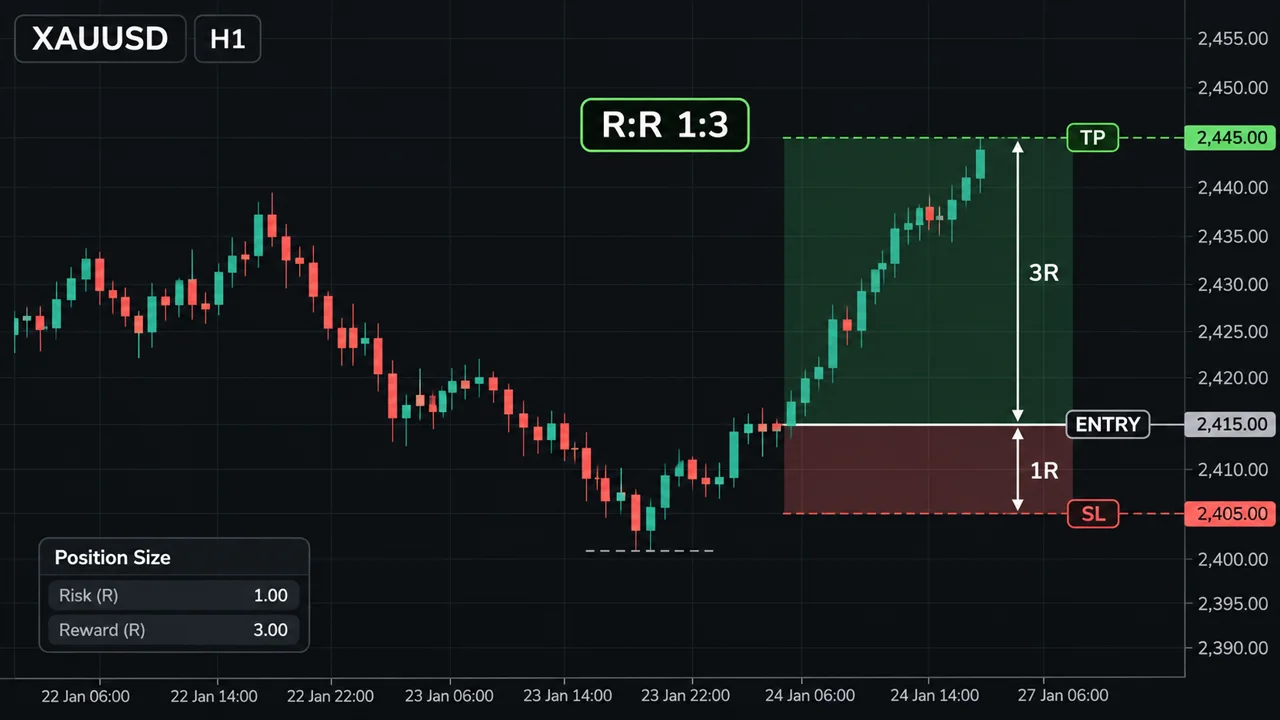
สมมติถือคู่เงินที่มี USD เป็นสกุลที่สอง (1 pip = $10 ต่อ 1 ล็อต) ขนาด 0.50 ล็อต ในฝั่งที่ได้สวอป +$4 ต่อคืน ถือ 30 คืน ได้สวอป 30 × $4 = $120 ถ้าราคาลงสวนทาง 300 pip ขาดทุน 300 × $10 × 0.50 = $1,500 ต้องถือกี่คืนจึงจะได้สวอปเท่ากับการขาดทุนนี้ $1,500 ÷ $4 = 375 คืน หรือกว่าหนึ่งปี และถ้าบัญชีมี $3,000 การขาดทุน $1,500 คือครึ่งหนึ่งของทุน ข้อสรุป: ขนาดไม้ต้องคุมด้วยความเสี่ยงราคา (SL หรือขนาดที่รับการเคลื่อนไหวได้) ไม่ใช่ด้วยรายได้สวอปที่อยากได้
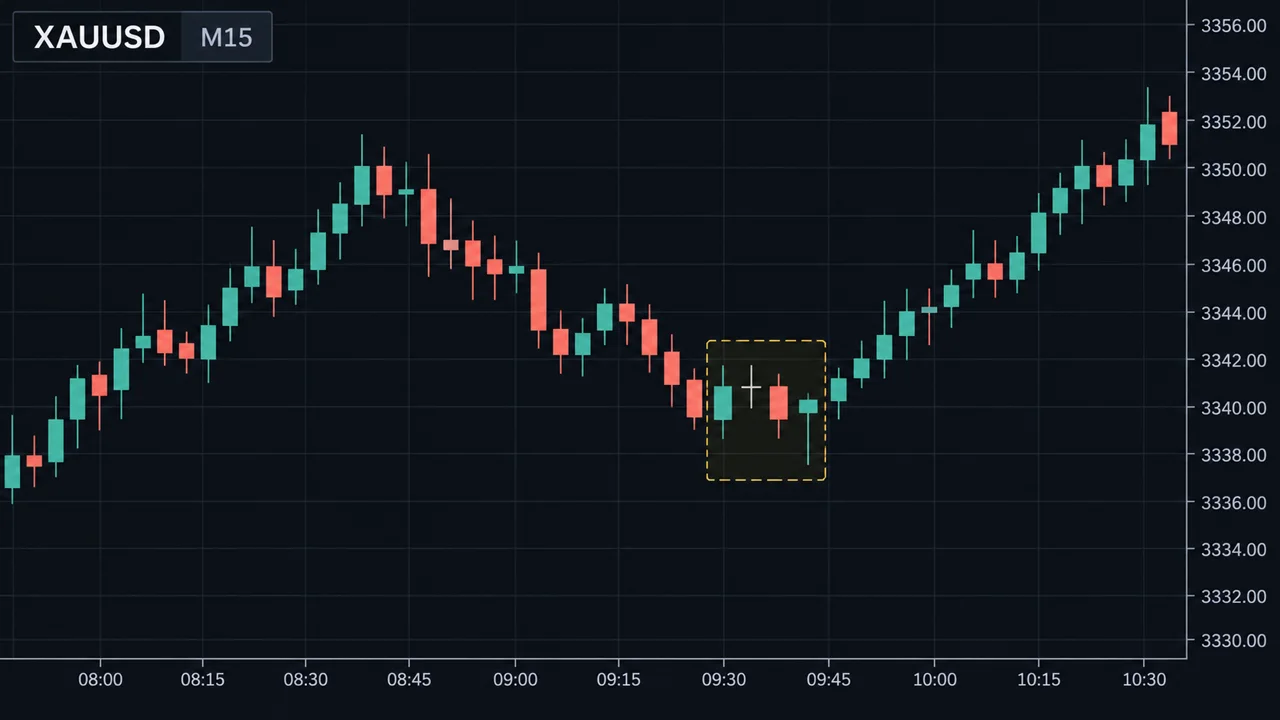
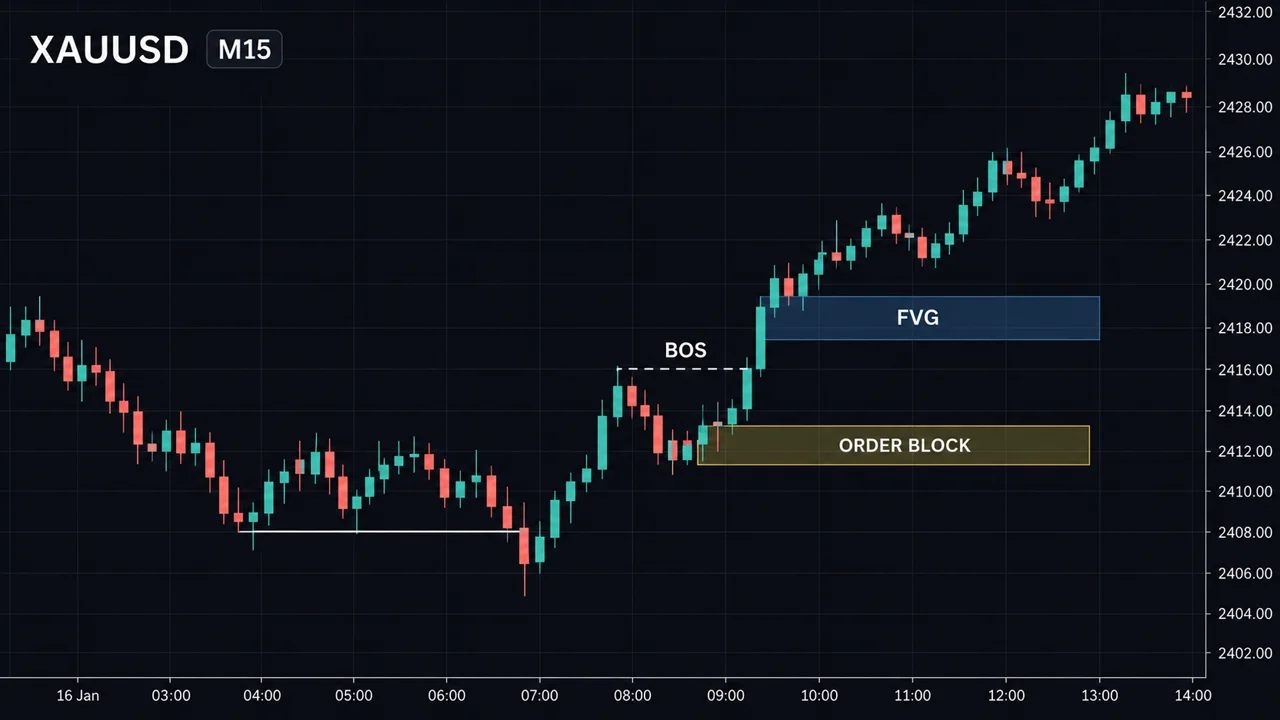
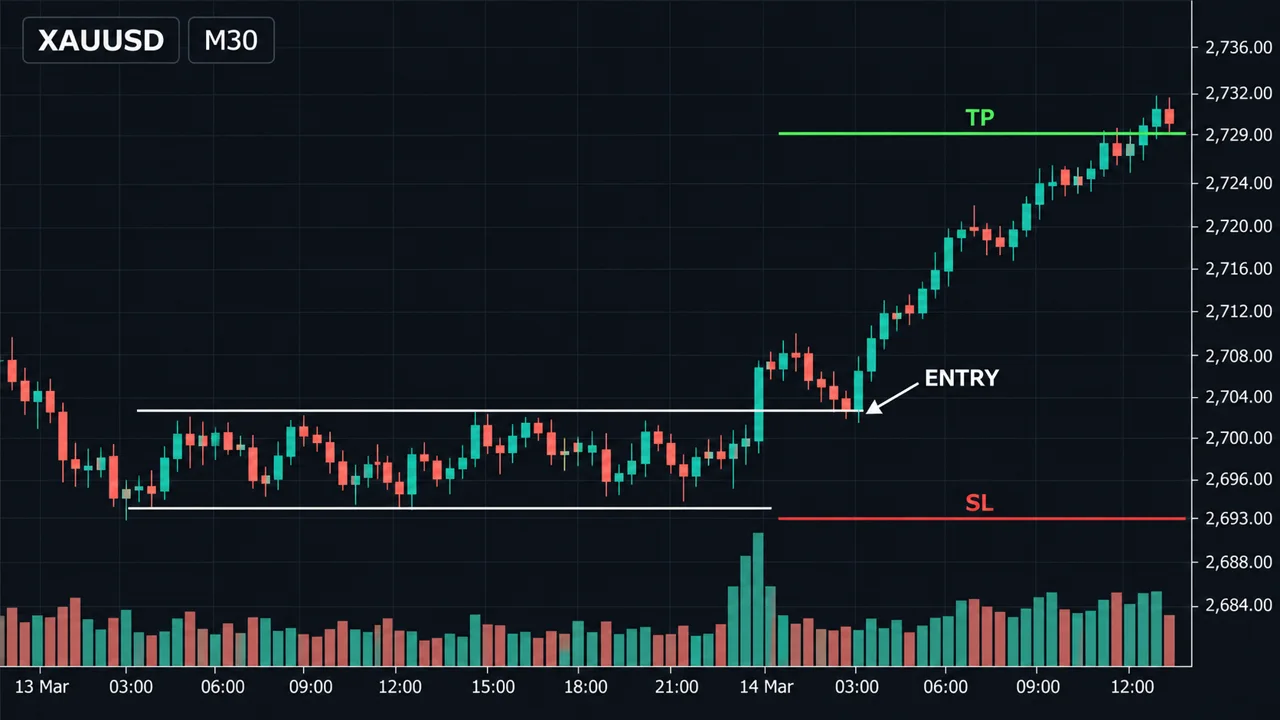
ดูภาพด้านล่าง ตัวเลขเดียวกับตัวอย่าง
ใช้แครี่เทรดแบบมีกติกา
- เช็กสวอปจริง ของทั้งสองฝั่งในแพลตฟอร์ม ไม่ใช่ดูแค่อัตราดอกเบี้ยข่าว
- ให้ราคาไปทางเดียวกับสวอป: หลายคนถือแครี่เฉพาะเมื่อเทรนด์ราคาไปทางเดียวกับฝั่งที่ได้สวอป (การเทรดตามเทรนด์) แทนการถือสวนเทรนด์เพื่อเก็บสวอป
- มี SL หรือจุดออกที่ชัดเจน: สวอปไม่ได้ป้องกันการขาดทุนจากราคา
- ใช้เลเวอเรจจริงต่ำ: แครี่เทรดคือการถือนาน มาร์จิ้นผูกไว้นาน (เลเวอเรจและ Margin Call)
- ติดตามนโยบายธนาคารกลาง: การเปลี่ยนทิศดอกเบี้ยคือจุดที่เหตุผลของการถือหายไป
เหมาะกับใคร
- เวลา: ใช้เวลาน้อย คล้าย การเทรดระยะยาว
- นิสัย: อดทน รับการแกว่งของราคาได้ และไม่หลงกับ "รายได้ทุกวัน" จนลืมความเสี่ยง
- ขนาดบัญชี: ต้องมีทุนพอที่จะถือไม้ขนาดเล็กเมื่อเทียบกับทุน รายได้สวอปจึงมักเล็กเมื่อคิดเป็นเงิน
- ต้นทุน: สเปรดมีผลน้อย แต่ส่วนบวกของโบรกในค่าสวอปกินส่วนต่างดอกเบี้ยไปส่วนหนึ่ง
จุดอ่อน / ข้อผิดพลาดที่พบบ่อย
- ราคาลบสวอปทั้งปีได้ในไม่กี่วัน: ตามตัวอย่างข้างบน ความเสี่ยงไม่สมมาตร
- การปิดพร้อมกันในช่วงตื่นตระหนก: ช่วงที่ตลาดกลัวความเสี่ยง แครี่เทรดมักขาดทุนพร้อมกันและเร็ว
- สวอปเปลี่ยนได้: โบรกปรับค่าสวอปตามดอกเบี้ยและนโยบายของตัวเอง สิ่งที่บวกวันนี้อาจลบเดือนหน้า
- ใช้ล็อตใหญ่เพื่อให้สวอปคุ้ม: ทำให้ความเสี่ยงราคาเกินทุน
- ถือสวนเทรนด์เพราะสวอปบวก: เก็บเงินเล็กน้อยขณะที่ราคาวิ่งสวนทางต่อเนื่อง
- บัญชีที่ไม่มีสวอป: บางบัญชีไม่คิดสวอปแต่คิดค่าธรรมเนียมแบบอื่นแทน ทำให้แครี่เทรดไม่มีผลในบัญชีแบบนั้น ควรเช็กประเภทบัญชี (ประเภทโบรกและบัญชี)
อย่าตัดสินใจไม่ตัดขาดทุนเพราะ "ยังได้สวอปทุกวัน" ไม้ที่ขาดทุน $1,500 ไม่ได้ปลอดภัยขึ้นเพราะได้รับ $4 ต่อคืน
ใช้บนมือถือ
แอปเทรดบนมือถือส่วนใหญ่แสดงค่าสวอปสะสมของแต่ละไม้ และเปิดดูข้อมูลสัญญาของสัญลักษณ์ได้ ใช้เช็กก่อนเปิดไม้ และทบทวนสวอปสะสมเทียบกับกำไรขาดทุนจากราคาเป็นระยะ ตั้งการแจ้งเตือนราคาที่ระดับที่ทำให้เหตุผลการถือเปลี่ยน
สรุป
- แครี่เทรดคือการรับส่วนต่างดอกเบี้ยผ่านค่าสวอปบวก
- ค่าสวอปจริงรวมส่วนบวกของโบรก ต้องเช็กในแพลตฟอร์มเสมอ
- ความเสี่ยงหลักคือราคา การเคลื่อนไหวครั้งเดียวลบสวอปหลายเดือนได้
- ช่วงตลาดกลัวความเสี่ยง แครี่เทรดมักขาดทุนพร้อมกัน
- คุมขนาดไม้ด้วยความเสี่ยงราคา และมีจุดออกชัดเจนเสมอ
A carry trade means buying a currency that pays a high interest rate and selling one that pays a low rate, so you collect the interest gap every day the position is open. In a forex account that gap arrives as a positive swap. It sounds like a steady income, but in reality you are taking full price risk in exchange for a small payment — and historically, carry trades have been unwound en masse during market panics, producing violent moves.
How the carry trade works
When you buy a pair — buying currency A against currency B — you notionally "hold" A and "borrow" B. If A's interest rate is higher than B's, you should receive the difference; if lower, you pay it. The broker turns this into a swap per night per lot and applies it whenever a position is held past the daily rollover; one day a week is usually charged triple to cover the weekend (spread, swap and commission).
What matters: the swap you see on the platform is not the raw interest gap — it includes the broker's markup. Sometimes the interest gap is positive but the swap after markup is tiny, or even negative on both sides. Check the symbol's contract specification on your platform.
Historically, currencies with very low interest rates for long periods, such as the Japanese yen, have often served as the "borrowed" side of carry trades. But rate directions always change; a pair that paid positive swap can turn negative when a central bank shifts policy (fundamental analysis).
The real risk: price, not interest
Swap income is small and fixed per day; price movement has no such limit. That is why the carry trade is often described as picking up coins in front of a steamroller — steady small gains, with the risk of one large loss. In risk-off periods, investors tend to close carry trades together, and high-yield currencies can fall hard and fast (intermarket analysis).
Suppose you hold a pair quoted in USD (1 pip = $10 per lot) at 0.50 lot, on the side that earns +$4 swap per night. After 30 nights: 30 × $4 = $120 in swap. If price falls 300 pips against you: 300 × $10 × 0.50 = $1,500 loss. Nights of swap needed to cover that loss: $1,500 ÷ $4 = 375 nights — more than a year. On a $3,000 account, a $1,500 loss is half the account. Conclusion: position size must be controlled by price risk (a stop, or a size that can absorb the move), not by how much swap you want.
See the charts below, with the same numbers as the example.
Using carry with rules
- Check the real swap on both sides in your platform, not just the headline interest rates.
- Let price agree with the swap: many traders only hold carry when the price trend points the same way as the positive-swap side (trend following), rather than holding against the trend to collect swap.
- Have a stop or a clear exit: swap does not protect you from price losses.
- Keep effective leverage low: carry means long holds and long-tied margin (leverage and margin call).
- Follow central bank policy: a change in rate direction is when the reason to hold disappears.
Who it suits
- Time: little, similar to position trading.
- Temperament: patient, tolerant of price swings, and not seduced by "daily income" into forgetting the risk.
- Account size: enough capital to hold positions that are small relative to the account — which means swap income in money terms is usually small.
- Costs: spread matters little, but the broker's swap markup eats part of the interest gap.
Weaknesses and common mistakes
- Price can erase a year of swap in days: as the example shows, the risk is asymmetric.
- Mass unwinds in panics: in risk-off periods, carry trades tend to lose together and quickly.
- Swap changes: brokers adjust swaps with rates and their own policy; positive today can be negative next month.
- Large lots to make swap "worth it": this pushes price risk beyond what the account can take.
- Holding against the trend for swap: collecting a little while price keeps moving against you.
- Swap-free accounts: some accounts charge no swap but use a different fee instead, so carry does not apply there. Check your account type (broker and account types).
Do not skip a stop because "I still earn swap every day". A $1,500 losing position does not become safer because it pays $4 a night.
On a phone
Most mobile trading apps show the accumulated swap of each position and let you open the symbol's specification. Use them before opening a trade, and periodically compare accumulated swap with the price profit or loss. Set price alerts at the level where your reason for holding would change.
Summary
- A carry trade collects the interest-rate gap through positive swap.
- The real swap includes the broker's markup — always check it on the platform.
- The main risk is price; one move can erase months of swap.
- In risk-off periods, carry trades tend to lose together.
- Size positions by price risk and always have a clear exit.