โบรกเกอร์และประเภทบัญชี เลือกอย่างไรไม่ให้พลาดBrokers and Account Types
รู้ว่าควรเช็กอะไรก่อนฝากเงินกับโบรกเกอร์ และบัญชี Standard, Raw/ECN, Cent และ Swap-free ต่างกันอย่างไรในแง่ต้นทุนจริงKnow what to check before depositing with a broker, and how standard, raw/ECN, cent and swap-free accounts differ in real cost.
ในบทความนี้ · 8
In this article · 8
โบรกเกอร์ (Broker) คือคนที่ถือเงินของคุณและส่งคำสั่งของคุณออกไป เลือกผิดอาจหมายถึงต้นทุนแพงโดยไม่รู้ตัว หรือแย่กว่านั้นคือถอนเงินไม่ได้ บทนี้ไม่แนะนำโบรกรายใด แต่ให้รายการตรวจสอบที่ใช้ได้กับทุกที่ และอธิบายประเภทบัญชีที่พบบ่อยให้เทียบต้นทุนได้เอง
สิ่งที่ต้องเช็กก่อนฝากเงิน
1. การกำกับดูแล (Regulation)
โบรกที่น่าเชื่อถือจะอยู่ภายใต้หน่วยงานกำกับทางการเงิน และแสดงเลขใบอนุญาตบนเว็บไซต์ วิธีเช็ก:
- หาเลขใบอนุญาตและชื่อนิติบุคคลบนเว็บไซต์โบรก
- เข้าเว็บไซต์ทางการของหน่วยงานกำกับนั้นโดยตรง (พิมพ์ชื่อเอง ไม่กดลิงก์จากเว็บโบรก) แล้วค้นเลขนั้น
- ดูว่าบัญชีของคุณเปิดภายใต้นิติบุคคลไหน โบรกหนึ่งแบรนด์อาจมีหลายบริษัทในหลายประเทศ และการคุ้มครองไม่เท่ากัน
ระดับความเข้มงวดของหน่วยงานแต่ละประเทศต่างกันมาก การมีใบอนุญาตบางแห่งให้ความคุ้มครองน้อย ศึกษาก่อนว่าหน่วยงานนั้นมีกฎแยกเงินลูกค้า (Segregated Funds) หรือมีกองทุนคุ้มครองหรือไม่
2. การฝากถอน
- ช่องทางที่รองรับ ค่าธรรมเนียม และระยะเวลา
- อ่านรีวิวเรื่องการถอนเงินจากหลายแหล่ง ไม่ใช่แค่รีวิวในเว็บโบรกเอง
- ทดลองฝากน้อย แล้วถอนดูหนึ่งครั้งก่อนฝากก้อนใหญ่
3. เงื่อนไขการเทรด
- ต้นทุนรวมต่อไม้ (สเปรด + คอมมิชชั่น + สวอป)
- ระดับ Margin Call และ Stop Out
- ขนาดสัญญาของแต่ละสัญลักษณ์ และล็อตขั้นต่ำ
- ข้อจำกัด เช่น ห้ามเทรดบางสไตล์ หรือระยะ SL ขั้นต่ำ
ประเภทบัญชีที่พบบ่อย
| ประเภท | ต้นทุนหลัก | เหมาะกับ |
|---|---|---|
| Standard | สเปรดกว้างกว่า ไม่มีคอม | มือใหม่ เทรดไม่ถี่ |
| Raw / ECN / Zero | สเปรดแคบ + คอมต่อล็อต | เทรดถี่ ไทม์เฟรมเล็ก |
| Cent | หน่วยเป็นเซนต์ ไม้เล็กมาก | ฝึกด้วยเงินจริงจำนวนน้อย |
| Swap-free | ไม่มีสวอป อาจมีค่าธรรมเนียมอื่น | คนที่ต้องการบัญชีไม่มีดอกเบี้ย |
บัญชี Cent แสดงยอดเป็นเซนต์ เช่น ฝาก $100 จะเห็นยอด 10,000 (เซนต์) และ 0.01 ล็อตของบัญชี Cent มักมีขนาดเล็กกว่า 0.01 ล็อตปกติร้อยเท่า ทำให้ฝึกด้วยเงินจริงได้โดยเสี่ยงน้อยมาก แต่เงื่อนไขอาจต่างจากบัญชีปกติ ให้เช็ก Specification ทุกครั้ง
สมมติเทรดทอง 0.20 ล็อต (ขยับ $1 = $20) เดือนละ 40 ไม้ บัญชี Standard: สเปรดเฉลี่ย $0.35 ไม่มีคอม ต้นทุนต่อไม้ = 0.35 × $20 = $7.00 → 40 ไม้ = $280 บัญชี Raw: สเปรดเฉลี่ย $0.10 คอม $7 ต่อล็อตไปกลับ ต้นทุนต่อไม้ = (0.10 × $20) + ($7 × 0.20) = $2.00 + $1.40 = $3.40 → 40 ไม้ = $136 ส่วนต่าง $144 ต่อเดือน สำหรับคนเทรดถี่ นี่คือเงินจำนวนมาก แต่ถ้าเทรดเดือนละ 4 ไม้ ส่วนต่างเหลือแค่ $14.40 ความสะดวกอาจสำคัญกว่า
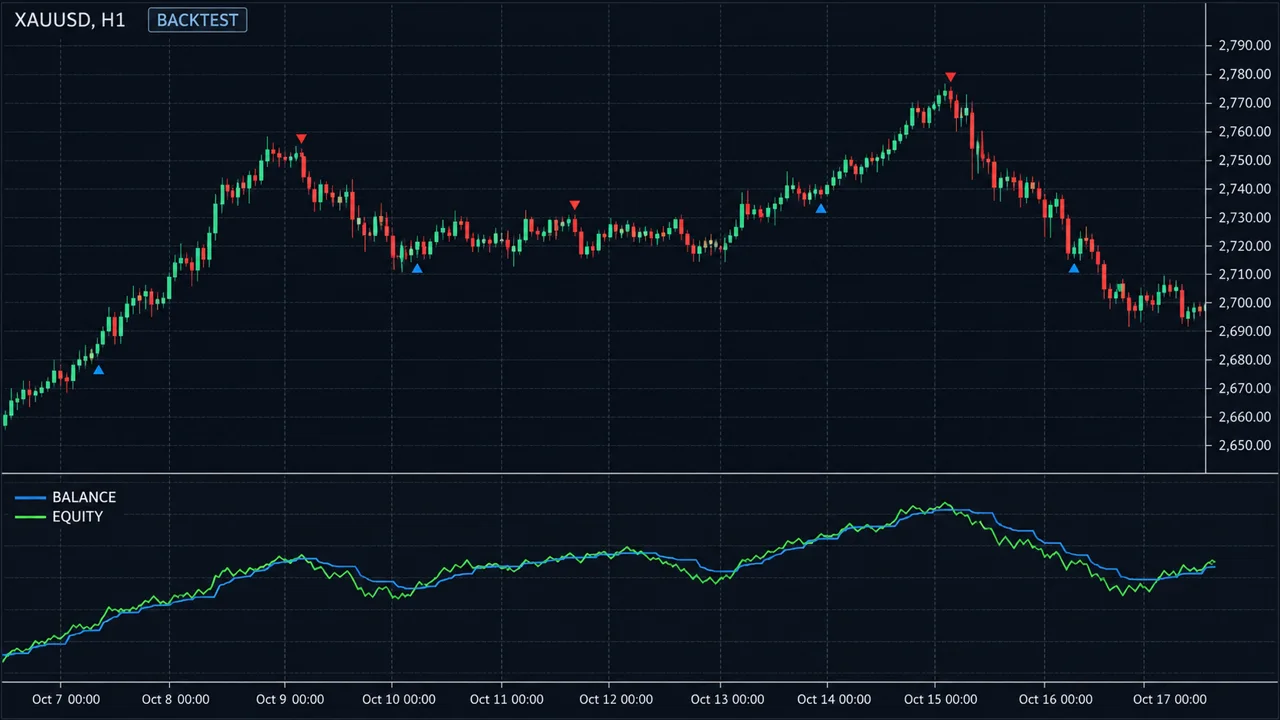
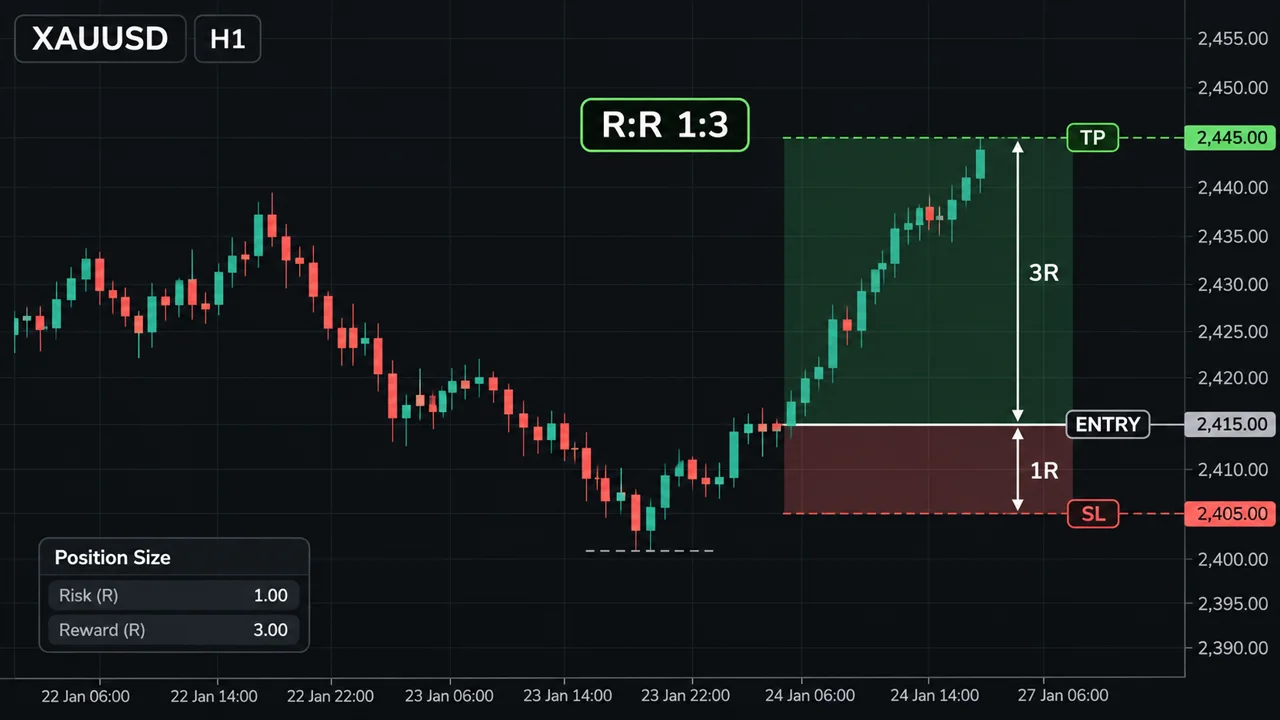
ดูภาพด้านล่าง
เลเวอเรจที่โบรกให้
โบรกบางแห่งให้เลเวอเรจสูงมาก ซึ่งเป็นแค่ "เพดาน" ไม่ใช่สิ่งที่ต้องใช้ ความเสี่ยงจริงอยู่ที่ขนาดล็อตที่คุณเลือก ดู Pip, Lot, Leverage และ Margin อย่างไรก็ตาม เลเวอเรจสูงมากทำให้เปิดไม้ใหญ่เกินตัวได้ง่ายเพียงกดผิดครั้งเดียว
โบนัสและโปรโมชั่น
โบนัสเงินฝากมักมาพร้อมเงื่อนไข เช่น ต้องเทรดครบจำนวนล็อตก่อนถอน หรือโบนัสหายเมื่อถอนเงินบางส่วน อ่านเงื่อนไขทั้งหมดก่อนรับ และอย่าเลือกโบรกเพราะโบนัส
สัญญาณอันตราย
- ไม่มีข้อมูลนิติบุคคลหรือเลขใบอนุญาตที่ตรวจสอบได้
- เจ้าหน้าที่ทักมาชวนฝากเพิ่ม หรือรับประกันผลตอบแทน
- ขอให้โอนเงินเข้าบัญชีส่วนตัวของบุคคล
- ถอนเงินแล้วถูกเรียกเก็บ "ค่าภาษี" หรือ "ค่าปลดล็อก" ก่อน
- แอปเทรดที่ไม่ใช่แพลตฟอร์มที่รู้จัก และโหลดผ่านลิงก์แปลก ๆ
ดูเพิ่มที่ วิธีหลีกเลี่ยงการหลอกลวง
จุดอ่อน / ข้อผิดพลาดที่พบบ่อย
- เลือกโบรกจากโฆษณาหรือโบนัส แทนที่จะดูการกำกับและต้นทุนรวม
- เชื่อโลโก้ใบอนุญาตบนเว็บโดยไม่เช็กเอง โลโก้ปลอมทำได้ง่าย
- ไม่รู้ว่าบัญชีอยู่ใต้นิติบุคคลไหน คิดว่าได้รับความคุ้มครองแบบหนึ่ง แต่จริงอยู่อีกประเทศ
- เทียบต้นทุนจากสเปรดอย่างเดียว ลืมคอมและสวอป
- ฝากเงินก้อนใหญ่ทันที โดยยังไม่เคยทดสอบการถอน
- ข้อมูลในบทความนี้ไม่ใช่คำแนะนำทางกฎหมายหรือภาษี กฎแต่ละประเทศต่างกัน ควรศึกษากฎของประเทศตัวเอง
ใช้บนมือถือ
ใช้แอป MT4/MT5 ตัวทางการจากสโตร์ของโทรศัพท์เท่านั้น แล้วค้นหาชื่อเซิร์ฟเวอร์ของโบรกในแอป ระวังแอปปลอมที่ส่งมาเป็นไฟล์หรือลิงก์ในแชต ตั้งรหัสผ่านที่ไม่ซ้ำกับที่อื่น และเปิดการยืนยันสองชั้นในหน้าสมาชิกของโบรกถ้ามี
สรุป
- เช็กการกำกับดูแลเองจากเว็บไซต์ทางการของหน่วยงาน
- ทดลองฝากน้อยและถอนก่อนฝากก้อนใหญ่
- เทียบบัญชีด้วยต้นทุนรวมต่อไม้ตามความถี่ที่คุณเทรดจริง
- บัญชี Cent เหมาะฝึกด้วยเงินจริงจำนวนน้อย
- โบนัสและเลเวอเรจสูงไม่ใช่เหตุผลในการเลือกโบรก
Your broker holds your money and sends your orders to the market. The wrong choice can mean paying more than you realise or, worse, being unable to withdraw. This lesson recommends no broker. Instead it gives a checklist that works anywhere and explains the common account types so you can compare costs yourself.
What to check before depositing
1. Regulation
A credible broker is supervised by a financial regulator and shows its licence number on its website. To check:
- Find the licence number and the legal entity name on the broker's site.
- Go to the regulator's official website directly (type the address yourself; do not follow links from the broker's site) and search for that number.
- Check which entity your account is opened under. One brand may run several companies in several countries, with very different protection.
Regulators differ hugely in strictness. Some licences offer little protection. Find out whether the regulator requires segregated client funds or has a compensation scheme.
2. Deposits and withdrawals
- Methods supported, fees and processing times.
- Read withdrawal reviews from several independent sources, not just testimonials on the broker's own site.
- Deposit a small amount and make one withdrawal before sending anything larger.
3. Trading conditions
- Total cost per trade (spread + commission + swap).
- Margin call and stop-out levels.
- Contract size of each symbol and the minimum lot.
- Restrictions, such as banned styles or minimum stop distances.
Common account types
| Type | Main cost | Suits |
|---|---|---|
| Standard | Wider spread, no commission | Beginners, low frequency |
| Raw / ECN / zero | Tight spread + commission per lot | High frequency, small timeframes |
| Cent | Balance in cents, tiny trades | Practising with a little real money |
| Swap-free | No swap, maybe other fees | Those who need an interest-free account |
Cent accounts show the balance in cents — deposit $100 and you see 10,000 (cents) — and 0.01 lot on a cent account is usually a hundred times smaller than a normal 0.01 lot. That lets you practise with real money at very low risk, but conditions may differ from standard accounts, so always check the specification.
Suppose you trade gold at 0.20 lot ($1 move = $20), 40 trades a month. Standard account: average spread $0.35, no commission. Cost per trade = 0.35 × $20 = $7.00 → 40 trades = $280 Raw account: average spread $0.10, commission $7 per lot round turn. Cost per trade = (0.10 × $20) + ($7 × 0.20) = $2.00 + $1.40 = $3.40 → 40 trades = $136 A $144 monthly difference — a lot of money for a frequent trader. At 4 trades a month the gap is only $14.40, and convenience may matter more.
See the charts below.
Leverage offered
Some brokers offer very high leverage. That is only a ceiling, not something you must use. Real risk lives in the lot size you choose — see Pips, Lots, Leverage and Margin. Even so, very high leverage makes it easy to open an oversized trade with a single wrong tap.
Bonuses and promotions
Deposit bonuses usually carry conditions, such as trading a minimum volume before withdrawal, or losing the bonus if you withdraw part of your money. Read every condition before accepting, and never choose a broker because of a bonus.
Red flags
- No verifiable legal entity or licence number.
- Staff contacting you to deposit more, or guaranteeing returns.
- Requests to transfer money to a personal bank account.
- Being asked to pay "tax" or an "unlock fee" before a withdrawal.
- A trading app that is not a known platform, installed from a strange link.
More in Avoiding Scams.
Weaknesses / common mistakes
- Choosing by advertising or bonus instead of regulation and total cost.
- Trusting a licence logo without checking. Logos are easy to fake.
- Not knowing which entity holds your account, and assuming protection you do not have.
- Comparing by spread alone, forgetting commission and swap.
- Depositing a large sum at once without ever testing a withdrawal.
- This article is not legal or tax advice. Rules differ by country; learn your own country's rules.
On a phone
Only use the official MT4/MT5 app from your phone's app store, then search for your broker's server inside the app. Beware of fake apps sent as files or chat links. Use a unique password and turn on two-factor authentication in the broker's client area if it is offered.
Summary
- Verify regulation yourself on the regulator's official website.
- Deposit a little and withdraw once before sending more.
- Compare accounts by total cost per trade at your real trading frequency.
- Cent accounts are good for practising with a small amount of real money.
- Bonuses and high leverage are not reasons to choose a broker.