มองการเทรดเป็นธุรกิจTreating Trading as a Business
คิดเรื่องทุน ต้นทุน การจดบันทึก และความคาดหวังรายได้แบบเจ้าของธุรกิจ เพื่อให้การเทรดอยู่รอดได้นานพอที่จะพัฒนาThink about capital, costs, record-keeping and income expectations like a business owner, so your trading survives long enough to improve.
ในบทความนี้ · 9
In this article · 9
หลายคนเริ่มเทรดแบบงานอดิเรกที่ใช้เงินจริง ไม่มีแผน ไม่มีบัญชีรายรับรายจ่าย และไม่รู้ว่าตัวเองกำไรหรือขาดทุนหลังหักทุกอย่างแล้ว การมองการเทรดเป็นธุรกิจไม่ได้แปลว่าต้องลาออกจากงานมาเทรดเต็มเวลา แต่แปลว่าจัดการมันอย่างมีระบบ มีตัวเลข มีต้นทุน และมีเกณฑ์ว่าเมื่อไหร่ควรขยายหรือหยุด
องค์ประกอบของธุรกิจการเทรด
| ส่วน | ในธุรกิจทั่วไป | ในการเทรด |
|---|---|---|
| ทุน | เงินลงทุนเริ่มต้น | เงินในบัญชีเทรดที่เสียได้โดยไม่กระทบชีวิต |
| สินค้า | สิ่งที่ขาย | ระบบเทรดที่ทดสอบแล้ว |
| ต้นทุน | ค่าเช่า ค่าแรง | สเปรด คอมมิชชัน สว็อป ค่าเครื่องมือ VPS เวลา |
| การบริหารความเสี่ยง | ประกัน สต็อก | ความเสี่ยงต่อไม้ ขีดจำกัดรายวัน |
| บัญชี | งบการเงิน | บันทึกการเทรดและสรุปผลรายเดือน |
| แผนธุรกิจ | เป้าหมายและกลยุทธ์ | แผนการเทรด |
ทุน: แยกให้ชัด
- เงินสำรองฉุกเฉินมาก่อน ค่าใช้จ่ายหลายเดือนควรอยู่นอกบัญชีเทรด
- ใช้เฉพาะเงินที่เสียได้ เงินกู้ เงินค่าเทอม เงินค่าบ้าน ไม่ควรอยู่ในบัญชีเทรด
- แยกบัญชี ไม่ฝากถอนตามอารมณ์ กำหนดวันและเงื่อนไขการถอนกำไรล่วงหน้า
ต้นทุน: ทุกอย่างที่ต้องจ่าย
นอกจากต้นทุนในแต่ละไม้ ยังมีต้นทุนคงที่ เช่น ค่าเครื่องมือ ค่าข้อมูล ค่าเช่า VPS ค่าคอร์ส ค่าสมัครสอบบัญชีกองทุน และเวลาของตัวเอง ต้นทุนเหล่านี้ต้องหักออกก่อนสรุปว่ามีกำไร
สมมติบัญชี $5,000 มีต้นทุนคงที่ (เครื่องมือ VPS อินเทอร์เน็ต) รวม $40 ต่อเดือน แค่จ่ายต้นทุน ต้องได้ 40 ÷ 5,000 = 0.8% ต่อเดือน ถ้าอยากได้ "เงินเดือน" $1,000 จากบัญชีนี้ ต้องได้ 1,000 ÷ 5,000 = 20% ต่อเดือน ทุกเดือน ซึ่งไม่สมจริงสำหรับการบริหารความเสี่ยงที่รอบคอบ และการพยายามไปให้ถึงมักจบที่เพิ่มล็อตจนพอร์ตพัง กลับด้าน: สมมติเป้าหมายที่คิดว่าระมัดระวังคือ 2% ต่อเดือนหลังหักต้นทุน (ตัวเลขสมมติ ไม่ใช่สิ่งที่รับประกันได้) รายได้ $1,000 ต่อเดือนต้องใช้ทุน 1,000 ÷ 0.02 = $50,000 ตัวเลขนี้ไม่ได้บอกว่าทำได้ แต่บอกว่าเป้ารายได้ต้องสอดคล้องกับขนาดทุน ไม่ใช่กลับกัน
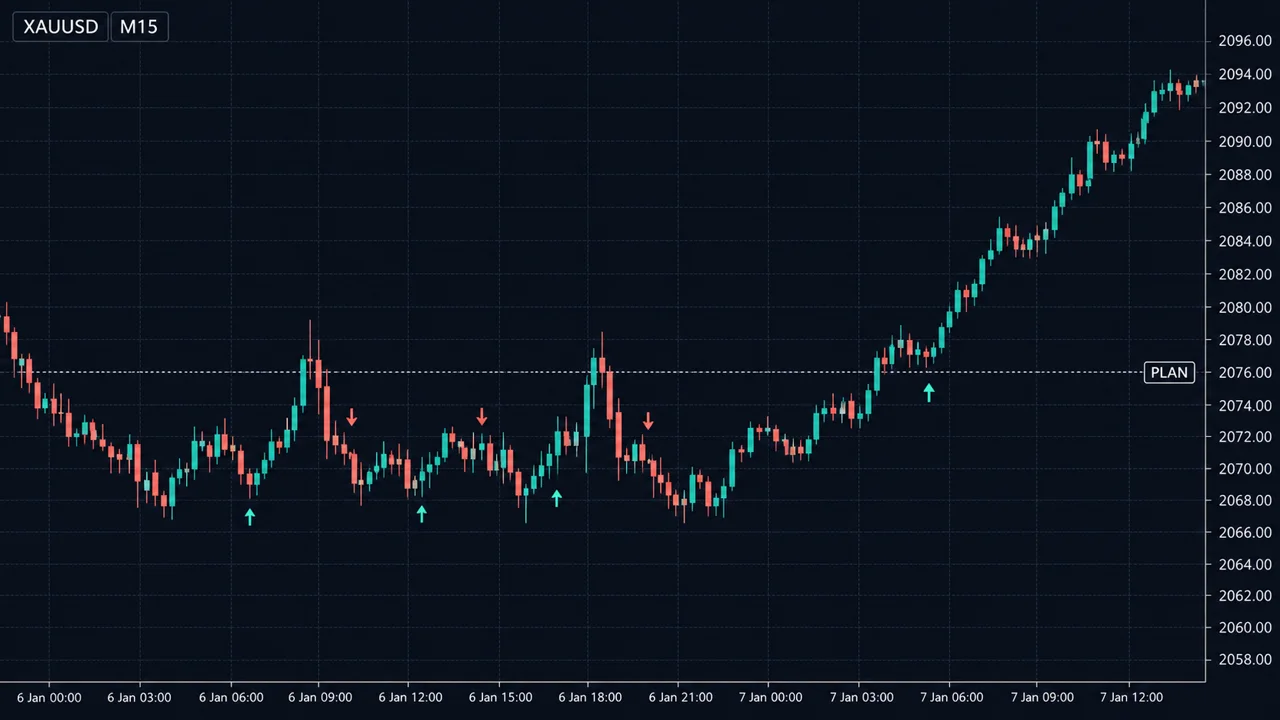
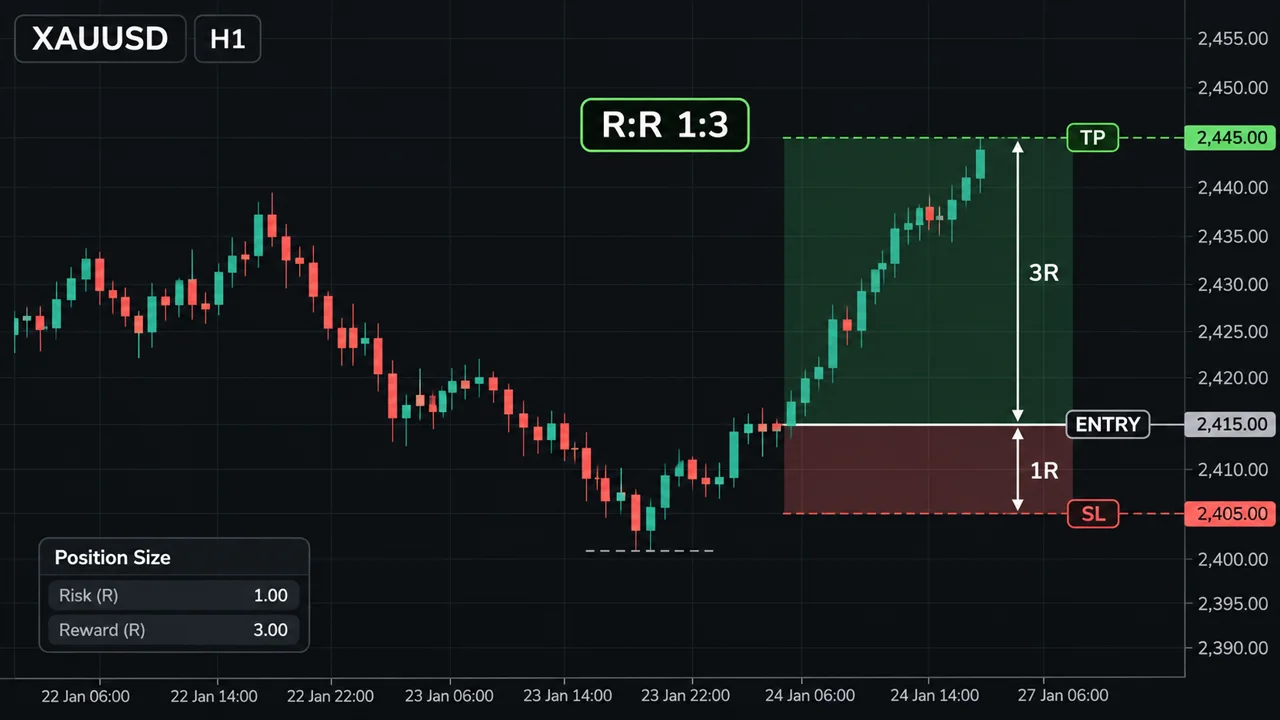
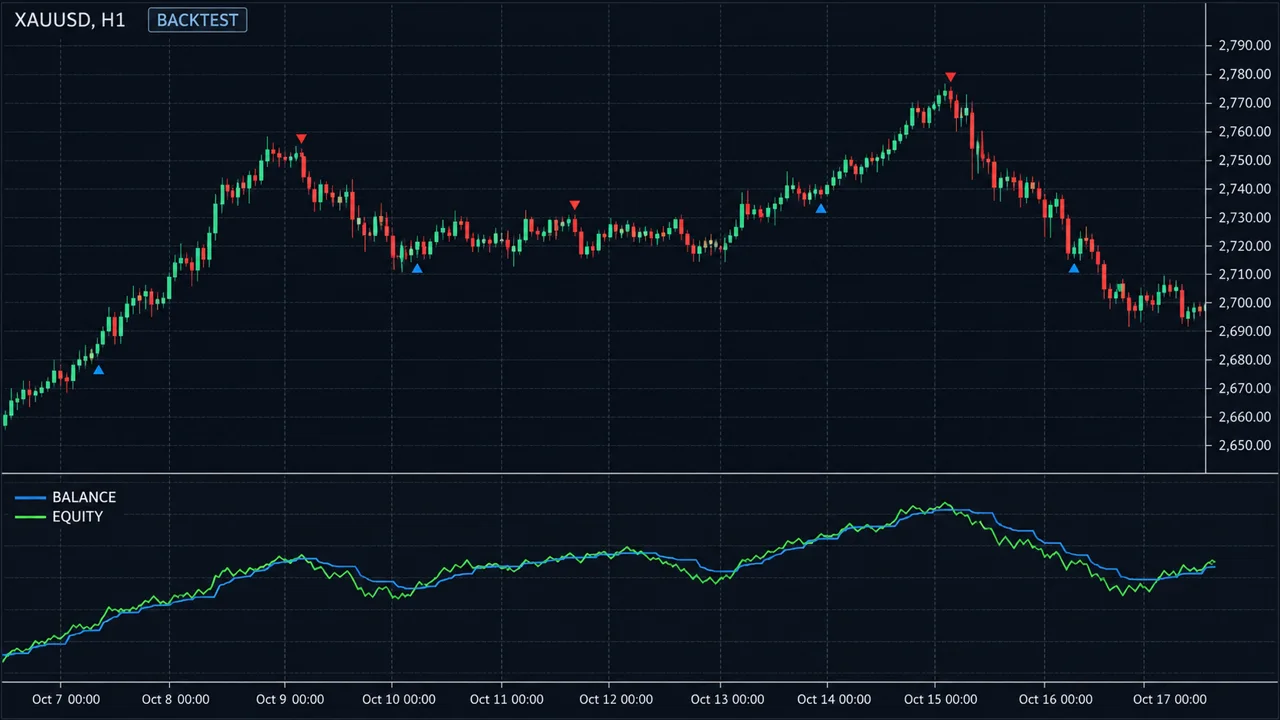
ดูภาพด้านล่าง
บัญชีและการจดบันทึก
- ทุกไม้ จดลงบันทึกการเทรด ดู บันทึกการเทรด
- ทุกเดือน สรุปกำไรขาดทุนสุทธิ ต้นทุนคงที่ จำนวนไม้ Expectancy และ Max drawdown ดู ตัวชี้วัดผลงาน
- ฝากถอน จดแยกจากผลเทรด ไม่อย่างนั้นยอดเงินในบัญชีจะหลอกให้เข้าใจผิดว่ากำไรหรือขาดทุน
- ภาษีและกฎหมาย แต่ละประเทศต่างกัน ปรึกษาผู้เชี่ยวชาญด้านภาษีในประเทศของคุณ และเก็บเอกสารรายการเดินบัญชีไว้ให้ครบ
ตัวชี้วัดของธุรกิจ (KPI)
นอกจากกำไร ให้วัดสิ่งที่คุมได้ด้วย
- ทำตามแผนได้กี่เปอร์เซ็นต์ของไม้ทั้งหมด
- จำนวนวันที่หยุดตามขีดจำกัดรายวันได้จริง
- เวลาที่ใช้ทบทวนต่อสัปดาห์
- ผลเทียบกับกรอบปกติจาก backtest
ตัวชี้วัดเชิงกระบวนการเหล่านี้บอกได้เร็วกว่ากำไรว่า "ธุรกิจ" กำลังเดินถูกทางหรือไม่
แผนการเติบโตและแผนหยุด
- เมื่อไหร่จะเพิ่มทุนหรือขนาดไม้ เช่น หลังผ่าน 100 ไม้ที่ผลอยู่ในกรอบปกติ
- เมื่อไหร่จะหยุดหรือลดขนาด เช่น drawdown เกินเกณฑ์ หรือทำผิดแผนติดกันหลายวัน
- บัญชีกองทุนเป็นทางเลือกหนึ่งของการขยายทุน แต่มีค่าสมัครและกติกาเข้มงวด คำนวณพื้นที่ความเสี่ยงได้ที่ เครื่องคำนวณ Prop และอ่าน บัญชีทดสอบกองทุน
จุดอ่อน / ข้อผิดพลาดที่พบบ่อย
- ตั้งเป้ารายได้ก่อนดูขนาดทุน แล้วเพิ่มความเสี่ยงให้ถึงเป้า
- ไม่นับต้นทุนคงที่และเวลา กำไรเล็กน้อยต่อเดือนอาจติดลบเมื่อนับครบ
- ลาออกเร็วเกินไป ก่อนมีผลงานยาวนานพอ และก่อนมีเงินสำรอง แรงกดดันเรื่องค่าใช้จ่ายทำให้ตัดสินใจแย่ลง
- ใช้เงินกับเครื่องมือและคอร์สมากเกินไป โดยเฉพาะที่สัญญาว่าจะทำให้รวยเร็ว ดู วิธีดูกลโกง
- ไม่ถอนกำไรเลย หรือถอนทุกครั้งที่ได้ ควรมีกติกาที่ตั้งไว้ล่วงหน้า
- คิดว่ามีเดือนขาดทุนแปลว่าธุรกิจล้มเหลว ทุกธุรกิจมีเดือนที่แย่ ดูที่ผลรวมระยะยาวและการทำตามแผน
ใช้บนมือถือ
ใช้สเปรดชีตบนมือถือทำ "งบรายเดือน" แบบง่าย: ยอดต้นเดือน ฝาก ถอน กำไรขาดทุนจากเทรด ต้นทุนคงที่ ยอดปลายเดือน ตั้งเตือนในปฏิทินทุกสิ้นเดือนให้ทบทวน 30 นาที
สรุป
- มองการเทรดเป็นธุรกิจ คือจัดการด้วยตัวเลข ต้นทุน และแผน
- ใช้เฉพาะเงินที่เสียได้ และมีเงินสำรองนอกบัญชีเทรดก่อน
- หักต้นทุนคงที่ทุกอย่างก่อนสรุปว่ากำไร
- เป้ารายได้ต้องสอดคล้องกับขนาดทุน ไม่ใช่เพิ่มความเสี่ยงไปหาเป้า
- วัดทั้งผลลัพธ์และกระบวนการ และมีแผนทั้งขยายและหยุด
Many people start trading as a hobby that happens to use real money: no plan, no accounts, and no idea whether they are profitable after everything is deducted. Treating trading as a business does not mean quitting your job to trade full time. It means running it systematically, with numbers, costs, and clear criteria for when to grow and when to stop.
The parts of a trading business
| Part | In a normal business | In trading |
|---|---|---|
| Capital | Starting investment | Money you can lose without it affecting your life |
| Product | What you sell | A tested trading system |
| Costs | Rent, wages | Spread, commission, swap, tools, VPS, time |
| Risk management | Insurance, stock control | Risk per trade, daily limits |
| Accounts | Financial statements | Trade journal and monthly summary |
| Business plan | Goals and strategy | Trading plan |
Capital: keep it separate
- Emergency fund first. Several months of living costs should sit outside the trading account.
- Only money you can lose. Loans, school fees and rent money do not belong in a trading account.
- Separate accounts. No emotional deposits and withdrawals; set the dates and conditions for withdrawing profit in advance.
Costs: everything you pay
Besides per-trade costs there are fixed costs: tools, data, VPS rent, courses, challenge fees, and your own time. Deduct them all before concluding you made a profit.
Suppose a $5,000 account has fixed costs (tools, VPS, internet) of $40 a month. Just covering costs needs 40 ÷ 5,000 = 0.8% a month. Wanting a $1,000 monthly "salary" from this account needs 1,000 ÷ 5,000 = 20% a month, every month. That is not realistic for careful risk management, and trying to reach it usually ends with oversized lots and a blown account. Turn it around: suppose a return you consider cautious is 2% a month after costs (a hypothetical figure, not something anyone can guarantee). $1,000 a month would need 1,000 ÷ 0.02 = $50,000 of capital. This does not say it is achievable. It says the income goal must fit the capital, not the other way round.
See the charts below.
Accounts and record-keeping
- Every trade goes in the journal. See Trading journal.
- Every month, summarise net profit or loss, fixed costs, number of trades, expectancy and maximum drawdown. See Performance metrics.
- Deposits and withdrawals are recorded separately from trading results; otherwise the balance misleads you about profit and loss.
- Tax and legal matters differ by country. Consult a qualified tax professional where you live, and keep complete statements.
Business KPIs
Besides profit, measure what you control:
- The percentage of trades that followed the plan.
- The number of days you actually stopped at your daily limit.
- Time spent reviewing each week.
- Results compared with the backtest's normal range.
Process metrics like these tell you sooner than profit whether the business is on track.
Growth plan and stop plan
- When to add capital or size, e.g. after 100 trades within the normal range.
- When to stop or reduce size, e.g. drawdown beyond a threshold, or several days in a row of breaking the plan.
- Funded accounts are one way to access more capital, but they come with fees and strict rules. Work out your risk room with the prop calculator and read Prop firm challenges.
Weaknesses / common mistakes
- Setting an income target before looking at capital, then raising risk to hit it.
- Ignoring fixed costs and time. A small monthly profit may be negative once everything is counted.
- Quitting the job too early, before a long enough track record and before having savings. Pressure to cover bills worsens decisions.
- Overspending on tools and courses, especially ones promising fast riches. See Avoiding scams.
- Never withdrawing, or withdrawing every win. Decide the rule in advance.
- Thinking a losing month means the business failed. Every business has bad months; judge the long-run total and whether you followed the plan.
On a phone
Use a spreadsheet app for a simple monthly statement: opening balance, deposits, withdrawals, trading P&L, fixed costs, closing balance. Set a calendar reminder at the end of every month for a 30-minute review.
Summary
- Treating trading as a business means managing it with numbers, costs and a plan.
- Use only money you can lose, and keep an emergency fund outside the account.
- Deduct all fixed costs before calling anything a profit.
- Income goals must fit the capital; do not raise risk to chase a goal.
- Measure both results and process, and have plans for growing and for stopping.