บัญชีทดสอบกองทุน (Prop Firm Challenge) กติกาทั่วไปและวิธีวางแผนProp Firm Challenges: Common Rules and How to Plan
เข้าใจกติกาทั่วไปของการสอบบัญชีกองทุน ทั้งเป้ากำไร ขีดขาดทุนรายวัน ขีดขาดทุนรวม และวิธีคำนวณขนาดไม้ให้ไม่ผิดกฎUnderstand the common rules of funded-account challenges, from profit targets to daily and overall loss limits, and how to size trades so you do not break them.
ในบทความนี้ · 5
In this article · 5
บริษัทเทรดแบบ Prop (Proprietary trading firm) หลายแห่งเปิดให้เทรดเดอร์จ่ายค่าสมัครเพื่อ "สอบ" บนบัญชีที่มีกติกากำหนด ถ้าผ่านจะได้เทรดบัญชีขนาดใหญ่ขึ้นและแบ่งกำไรตามสัญญา สิ่งที่หลายคนมองข้ามคือ การสอบนี้ตัดสินด้วยกติกาความเสี่ยงมากกว่าฝีมือหาจังหวะ คนส่วนใหญ่ตกเพราะชนขีดขาดทุน ไม่ใช่เพราะหาไม้ไม่เป็น บทความนี้อธิบายกติกาที่พบบ่อยแบบทั่วไป (แต่ละแห่งต่างกัน ต้องอ่านเงื่อนไขของที่ที่จะสมัครเองทุกข้อ)
กติกาที่พบบ่อย
| กติกา | ความหมายทั่วไป | สิ่งที่ต้องระวัง |
|---|---|---|
| เป้ากำไร (Profit target) | ต้องทำกำไรถึง % ที่กำหนด | ทำให้รีบเพิ่มไม้ |
| ขาดทุนรายวัน (Daily loss) | ห้ามขาดทุนเกิน % ในหนึ่งวัน | หลายแห่งนับรวมไม้ที่ยังเปิดอยู่ |
| ขาดทุนรวม (Max loss) | ห้ามทุนต่ำกว่าระดับที่กำหนด | บางแห่งเป็นแบบเลื่อนตามจุดสูงสุด (Trailing) |
| วันเทรดขั้นต่ำ | ต้องเทรดอย่างน้อยกี่วัน | ห้ามทำครบในวันเดียว |
| ข้อห้ามอื่น | ข่าว ถือข้ามสุดสัปดาห์ EA บางแบบ | ผิดแล้วอาจโดนตัดสิทธิ์ทันที |
ขีดขาดทุนรายวัน
นี่คือกติกาที่ทำให้คนตกมากที่สุด จุดสำคัญคือ "นับจากอะไร" บางแห่งนับจากยอด Balance ตอนเริ่มวัน บางแห่งนับจากค่าสูงกว่าระหว่าง Balance กับ Equity ตอนเริ่มวัน และส่วนใหญ่นับขาดทุนลอย (Floating) ของไม้ที่ยังเปิดอยู่ด้วย ต้องรู้ด้วยว่า "วัน" เริ่มกี่โมงตามเวลาเซิร์ฟเวอร์
ขีดขาดทุนรวมแบบคงที่และแบบเลื่อน
- แบบคงที่ (Static) ระดับต่ำสุดอยู่กับที่ เช่น ทุน $10,000 ห้ามต่ำกว่า $9,000 ตลอด
- แบบเลื่อน (Trailing) ระดับต่ำสุดขยับขึ้นตามจุดสูงสุดของทุน ทำกำไรแล้วพื้นก็ขยับตาม ทำให้พื้นที่หายใจไม่เพิ่มขึ้นแม้จะกำไร
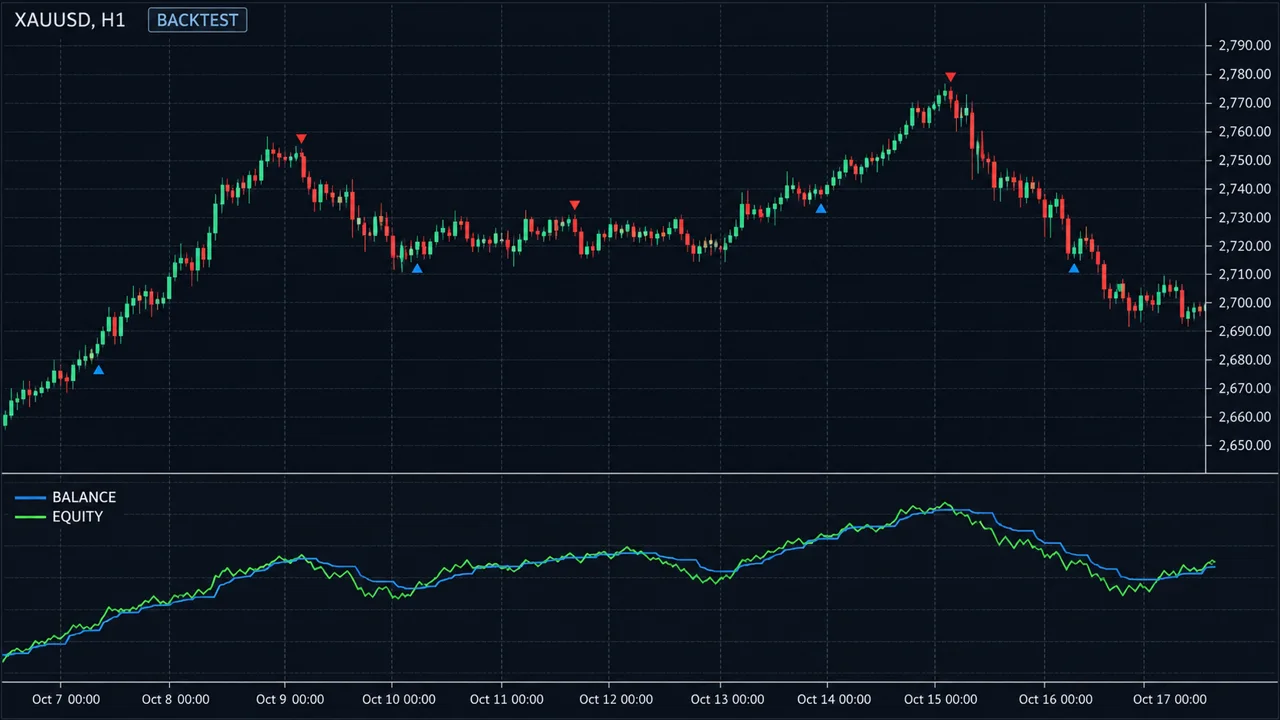
ดูภาพด้านล่าง
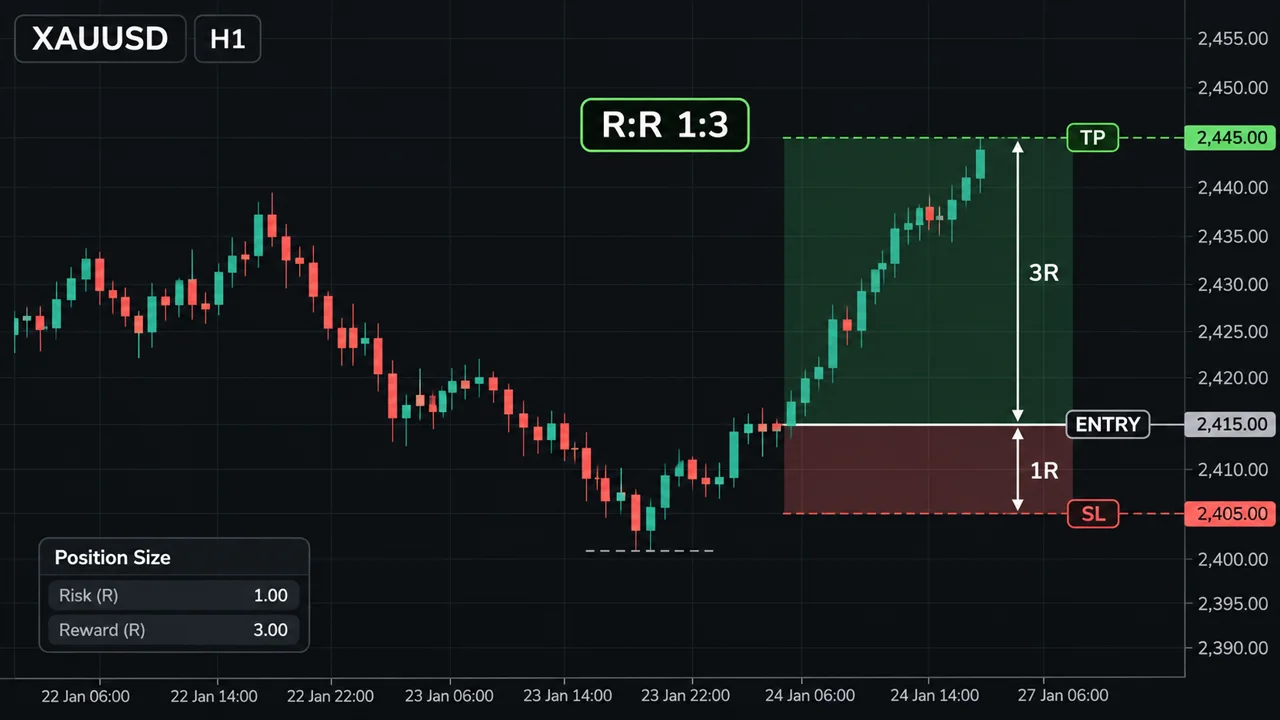
สมมติกติกา: เป้า 8% = $800 ขาดทุนรายวัน 5% = $500 ขาดทุนรวม 10% = $1,000 เสี่ยง 0.5% ต่อไม้ = $50 เทรดทองคำ SL ห่าง $5 → ล็อต = 50 ÷ (5 × 100) = 0.10 ล็อต ต้องแพ้ติดกัน 500 ÷ 50 = 10 ไม้ ถึงจะชนขีดรายวัน และ 1,000 ÷ 50 = 20 ไม้ ถึงจะชนขีดรวม ถ้าระบบ (สมมติ) ชนะ 40% ที่ 2R: Expectancy = 0.4 × 2 − 0.6 × 1 = 0.2R = $10 ต่อไม้ จำนวนไม้โดยเฉลี่ยที่ต้องใช้ถึงเป้า ≈ 800 ÷ 10 = 80 ไม้ ซึ่งเป็นค่าเฉลี่ยทางทฤษฎี ของจริงอาจเร็วหรือช้ากว่านี้มาก กับดักขาดทุนลอย: วันนี้ปิดขาดทุนแล้ว $300 และยังมีไม้เปิดติดลบ $250 รวม $550 เกิน $500 = ตกทันที แม้ยอดที่ปิดแล้วจะแค่ $300 กับดักแบบเลื่อน: ถ้าขีดรวมเลื่อนตามยอดสูงสุด $1,000 ทุนขึ้นไป $10,600 พื้นจะขยับเป็น $9,600 พื้นที่หายใจยังเป็น $1,000 เท่าเดิม ไม่ได้เพิ่มเป็น $1,600
ลองใส่ตัวเลขของตัวเองใน เครื่องคำนวณ Prop เพื่อดูขนาดไม้สูงสุดและพื้นที่ขาดทุนรายวันที่เหลือ
วางแผนให้รอดก่อนคิดเรื่องผ่าน
- เสี่ยงต่อไม้ต่ำ ระดับ 0.25–1% ต่อไม้เป็นช่วงที่หลายคนใช้ ยิ่งต่ำยิ่งต้องแพ้ติดกันหลายไม้กว่าจะชนขีด
- ตั้งขีดรายวันของตัวเองให้แคบกว่ากติกา เช่น กติกา 5% ตัวเองหยุดที่ 2–3% เพื่อเผื่อสลิปเพจและไม้ที่กระโดด
- คิดรวมไม้ที่เปิดพร้อมกัน ไม้ทองสามไม้ทิศเดียวกันคือความเสี่ยงก้อนเดียว ดู Correlation
- ไม่เร่งช่วงท้าย เมื่อใกล้เป้าหรือใกล้หมดเวลา คนมักเพิ่มล็อต ซึ่งเป็นช่วงที่ตกบ่อย
- อ่านกติกาเรื่องข่าวและการถือข้ามคืน และตั้ง EA ให้สอดคล้อง ถ้าใช้
จุดอ่อน / ข้อผิดพลาดที่พบบ่อย
- มองการสอบเป็นลอตเตอรี่ เปิดล็อตใหญ่เพื่อให้ถึงเป้าเร็ว ถ้าล้มก็ซื้อสอบใหม่ ค่าสมัครหลายครั้งรวมกันเป็นต้นทุนจริง
- ไม่เข้าใจวิธีนับขีดรายวัน โดยเฉพาะขาดทุนลอยและเวลาเริ่มวัน
- ใช้ระบบ grid หรือ martingale แม้จะผ่านเป้าได้เร็วในบางรอบ แต่วันที่ราคาไม่กลับ การเพิ่มไม้ทบจะชนขีดรายวันในครั้งเดียว ดู ความเสี่ยงของ Martingale
- ไม่ตรวจความน่าเชื่อถือของบริษัท กติกาเปลี่ยนบ่อย บางแห่งจ่ายเงินช้าหรือมีเงื่อนไขซ่อน อ่านเงื่อนไขการจ่ายและข้อห้ามทุกข้อก่อนจ่ายค่าสมัคร และระวังรูปแบบหลอกลวงที่อธิบายไว้ใน วิธีดูกลโกง
- ลืมว่าผ่านแล้วกติกายังอยู่ บัญชีจริงหลังผ่านมักมีขีดขาดทุนเหมือนเดิม การเปลี่ยนสไตล์หลังผ่านคือสาเหตุที่หลายคนเสียบัญชี
ใช้บนมือถือ
ก่อนเปิดไม้ทุกครั้งบนมือถือ เช็คสองตัวเลข: ขาดทุนวันนี้ (รวมไม้ที่ยังเปิด) และระยะห่างจากพื้นขาดทุนรวม จดตัวเลขขีดของบัญชีไว้ในโน้ตบนหน้าจอหลัก และตั้ง SL พร้อมคำสั่งทุกครั้ง เพราะสัญญาณมือถือหลุดได้ทุกเมื่อ
สรุป
- การสอบบัญชีกองทุนตัดสินด้วยกติกาความเสี่ยงเป็นหลัก
- รู้ให้ชัดว่าขีดรายวันนับจากอะไร รวมขาดทุนลอยไหม และวันเริ่มกี่โมง
- ขีดรวมแบบเลื่อนไม่ได้เพิ่มพื้นที่หายใจเมื่อกำไร
- เสี่ยงต่อไม้ต่ำ ตั้งขีดของตัวเองให้แคบกว่ากติกา
- ระบบเพิ่มไม้ทบขัดกับธรรมชาติของขีดขาดทุนรายวันโดยตรง
Many proprietary trading firms let traders pay a fee to take a "challenge" on an account with set rules. Pass, and you trade a larger account with a profit split defined in the contract. What many overlook is that the challenge is judged mostly on risk rules, not on finding good entries. Most people fail by hitting a loss limit, not by being unable to find trades. This article explains the common rules in general terms. Every firm is different, so read every condition of the one you join.
Common rules
| Rule | General meaning | Watch out for |
|---|---|---|
| Profit target | Reach a set % profit | It tempts you to size up |
| Daily loss | Do not lose more than a % in a day | Many firms include open trades |
| Max loss | Equity must stay above a level | Some trail the highest point |
| Minimum trading days | Trade on at least N days | You cannot finish in one day |
| Other restrictions | News, weekend holding, some EA types | A breach can disqualify you instantly |
The daily loss limit
This is the rule that fails the most people. The key question is what it is measured from. Some firms use the balance at the start of the day, some use the higher of balance and equity at the start of the day, and most count floating losses on open trades too. You also need to know when the "day" starts in server time.
Static versus trailing overall limits
- Static: the floor never moves, e.g. a $10,000 account must never fall below $9,000.
- Trailing: the floor rises with the account's highest point. When you make money the floor follows, so your breathing room does not grow even as you profit.
See the chart below.
Suppose the rules are: target 8% = $800, daily loss 5% = $500, max loss 10% = $1,000. Risk 0.5% per trade = $50. Gold with a $5 stop → lot = 50 ÷ (5 × 100) = 0.10 lots. It takes 500 ÷ 50 = 10 straight losses to hit the daily limit and 1,000 ÷ 50 = 20 to hit the overall limit. If a (hypothetical) system wins 40% at 2R: expectancy = 0.4 × 2 − 0.6 × 1 = 0.2R = $10 per trade. Average trades needed to reach the target ≈ 800 ÷ 10 = 80 trades. That is a theoretical average; reality can be much faster or slower. The floating-loss trap: you have closed −$300 today and an open trade is at −$250. Together that is −$550, beyond $500: you fail, even though closed losses were only $300. The trailing trap: with a $1,000 trailing limit, if equity rises to $10,600 the floor moves to $9,600. Your room is still $1,000, not $1,600.
Put your own numbers into the prop calculator to see the maximum lot and the daily loss room left.
Plan to survive before planning to pass
- Low risk per trade. Many traders use somewhere around 0.25–1% per trade. The lower it is, the more losses in a row it takes to hit a limit.
- Set your own daily stop tighter than the rule, e.g. stop at 2–3% when the rule is 5%, to allow for slippage and gaps.
- Count open trades together. Three gold trades in the same direction are one block of risk. See Correlation exposure.
- Do not rush at the end. Near the target or the deadline, people raise size, and that is exactly when many fail.
- Read the rules on news and overnight holding, and configure any EA to match.
Weaknesses / common mistakes
- Treating the challenge as a lottery ticket. Big lots to hit the target fast, and buy another attempt if it fails. Repeated fees add up to a real cost.
- Misunderstanding how the daily limit is counted, especially floating losses and when the day starts.
- Grid or martingale. They can reach the target quickly in some runs, but on the day price does not come back, the added positions hit the daily limit in one move. See Martingale risks.
- Not checking the firm. Rules change often, some firms pay slowly or hide conditions. Read the payout terms and every restriction before paying, and watch for the patterns described in Avoiding scams.
- Forgetting the rules still apply after passing. Funded accounts usually keep the same loss limits. Changing style after passing is how many people lose the account.
On a phone
Before every trade on your phone, check two numbers: today's loss including open trades, and the distance to the overall floor. Keep the account's limits in a note on your home screen, and always attach a stop loss to the order, because a mobile connection can drop at any moment.
Summary
- Funded-account challenges are judged mainly by risk rules.
- Know exactly what the daily limit is measured from, whether it includes floating losses, and when the day starts.
- A trailing overall limit does not give you more room as you profit.
- Keep risk per trade low and set your own limits tighter than the rules.
- Position-adding systems clash directly with daily loss limits.