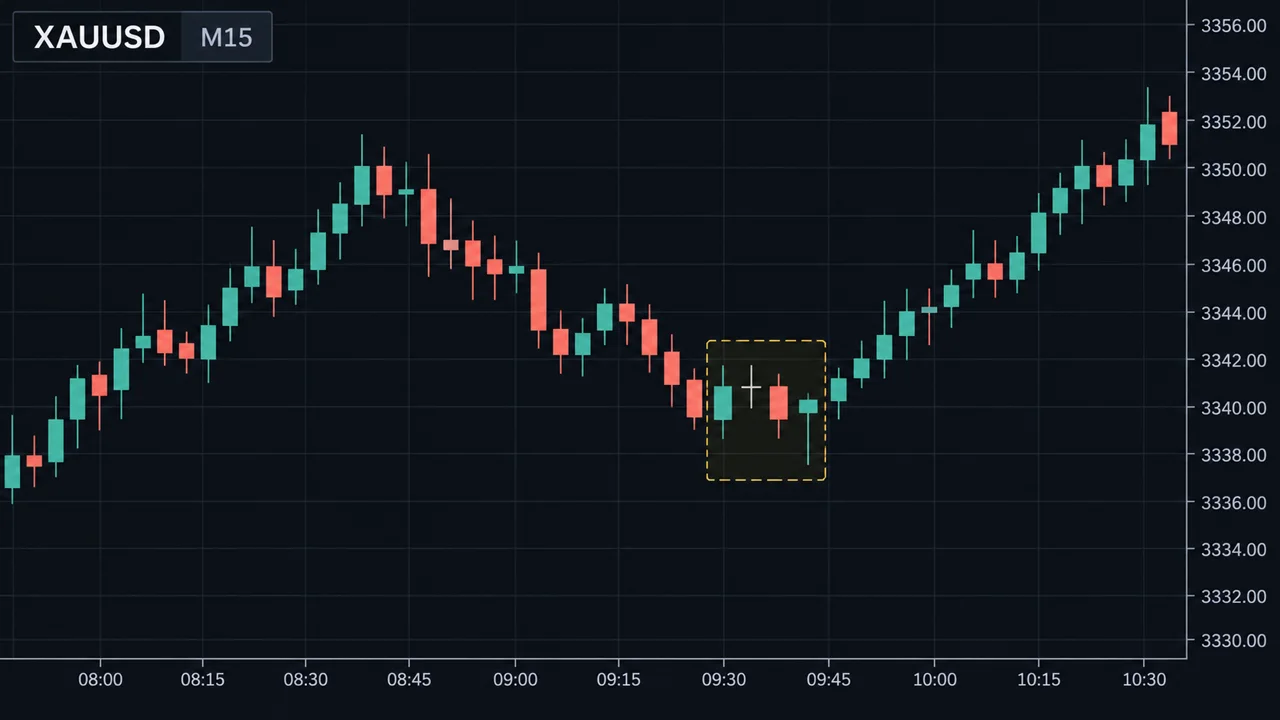
การทดสอบไปข้างหน้า (Forward Testing)Forward Testing
ทดสอบระบบกับตลาดจริงที่ยังไม่เกิดก่อนใช้เงินก้อนใหญ่ วัดอะไร นานแค่ไหน และเมื่อไหร่ควรหยุดHow to test a system on live, unseen market data before committing real size: what to measure, how long to run it, and when to stop.
ในบทความนี้ · 8
In this article · 8
การทดสอบไปข้างหน้า (Forward testing) คือการเอาระบบที่ผ่าน backtest แล้ว มาใช้กับตลาดจริงที่กำลังเกิดขึ้น ไม่ว่าจะในบัญชีทดลอง (Demo) หรือบัญชีจริงด้วยขนาดไม้เล็กมาก จุดประสงค์คือดูว่าผลที่ได้ในอดีตยังอยู่รอดเมื่อเจอข้อมูลที่ระบบไม่เคยเห็น และเมื่อเจอสิ่งที่ backtest จำลองไม่ได้ เช่น สลิปเพจ (Slippage) อินเทอร์เน็ตหลุด หรือมือเราเองที่ลังเล
ทำไม backtest อย่างเดียวไม่พอ
backtest มีจุดบอดเสมอ แม้จะทำอย่างระมัดระวัง
- ข้อมูลที่ใช้ถูกเห็นมาแล้ว ตอนสร้างระบบ เรามักปรับกฎหลังจากดูกราฟช่วงเดียวกัน ทำให้ผลดีเกินจริงโดยไม่รู้ตัว
- การส่งคำสั่งจริงไม่สมบูรณ์ ราคาที่ได้จริงอาจต่างจากราคาที่เห็น สเปรดกว้างขึ้นช่วงข่าวหรือช่วงตลาดเปิด
- คนไม่ใช่เครื่อง ใน backtest เราไม่เคยข้ามสัญญาณเพราะกลัว แต่ในตลาดจริงเกิดขึ้นบ่อย
forward test จึงเป็นด่านที่สองที่ตอบคำถามว่า "ระบบนี้ทำงานในโลกจริงกับตัวเราได้ไหม"
เตรียมก่อนเริ่ม
- จดตัวเลขอ้างอิงจาก backtest เช่น อัตราชนะ กำไรเฉลี่ยต่อไม้ (Expectancy) จำนวนไม้ต่อเดือน Drawdown สูงสุด และแพ้ติดกันยาวสุด
- ล็อกกฎ ห้ามแก้กฎระหว่างทดสอบ ถ้าอยากแก้ ให้จดไว้แล้วเริ่มรอบทดสอบใหม่
- กำหนดเกณฑ์หยุดล่วงหน้า เช่น ถ้า drawdown เกิน 1.5 เท่าของค่าสูงสุดใน backtest ให้หยุดทบทวน
- กำหนดขนาดตัวอย่าง ตั้งเป้าจำนวนไม้ เช่น 50–100 ไม้ ไม่ใช่จำนวนวัน ระบบที่เทรดน้อยต้องใช้เวลานานกว่า
Demo หรือบัญชีจริงไม้เล็ก
| แบบ | ข้อดี | ข้อเสีย |
|---|---|---|
| Demo | ไม่เสียเงิน ทดสอบได้ไม่จำกัด | การจับคู่คำสั่งอาจดีกว่าบัญชีจริง ไม่มีแรงกดดันทางใจ |
| บัญชีจริงไม้เล็ก | เห็นสลิปเพจและสเปรดจริง รู้สึกกดดันจริง | เสียเงินจริง แม้จะน้อย |
ลำดับที่หลายคนใช้คือ demo ก่อนเพื่อเช็คว่ากฎและ EA ทำงานถูกต้อง แล้วต่อด้วยบัญชีจริงขนาดไม้เล็กที่สุดที่โบรกให้ (เช่น 0.01 ล็อต) ก่อนค่อย ๆ เพิ่มขนาด ดูรายละเอียดเพิ่มที่ จาก Demo สู่บัญชีจริง
สิ่งที่ต้องวัดระหว่างทดสอบ
- ราคาเข้าที่ตั้งใจ เทียบกับราคาที่ได้จริง ความต่างนี้คือสลิปเพจ
- สเปรดตอนเข้าไม้ โดยเฉพาะช่วงข่าวและช่วงเปลี่ยนวัน
- สัญญาณที่ระบบให้ แต่เราไม่ได้เข้า ถ้ามีเยอะ ปัญหาอยู่ที่คน ไม่ใช่ระบบ
- ตัวเลขผลลัพธ์ เทียบกับตัวเลขอ้างอิงจาก backtest ทุก 20–25 ไม้
ถ้าอยากรู้ว่าระยะราคาที่วิ่งสวนก่อนไปทางที่ถูกในอดีตมักกว้างแค่ไหน สามารถลองเทียบกับ เครื่องมือวิเคราะห์ภาพกราฟ เพื่อตั้งความคาดหวังเรื่องระยะ SL ได้
สมมติ backtest ทองคำที่ 0.10 ล็อต อัตราชนะ 40% กำไรเฉลี่ย $30 ขาดทุนเฉลี่ย $15 Expectancy = 0.40 × 30 − 0.60 × 15 = 12 − 9 = $3 ต่อไม้ ใน forward test พบว่าสลิปเพจเฉลี่ย $0.20 ต่อออนซ์ ที่ 0.10 ล็อต (10 ออนซ์) = 0.20 × 10 = $2 ต่อไม้ Expectancy ที่เหลือ = 3 − 2 = $1 ต่อไม้ ระบบยังเป็นบวก แต่บางลงมาก ถ้าสลิปเพจเพิ่มอีกเพียง $0.10 ต่อออนซ์ ($1 ต่อไม้) ระบบจะเหลือศูนย์พอดี ข้อสรุปไม่ใช่ "ระบบใช้ไม่ได้" แต่คือ "ระบบนี้ไวต่อต้นทุนมาก" ต้องหาทางลดต้นทุน หรือใช้ TP/SL ที่กว้างขึ้น
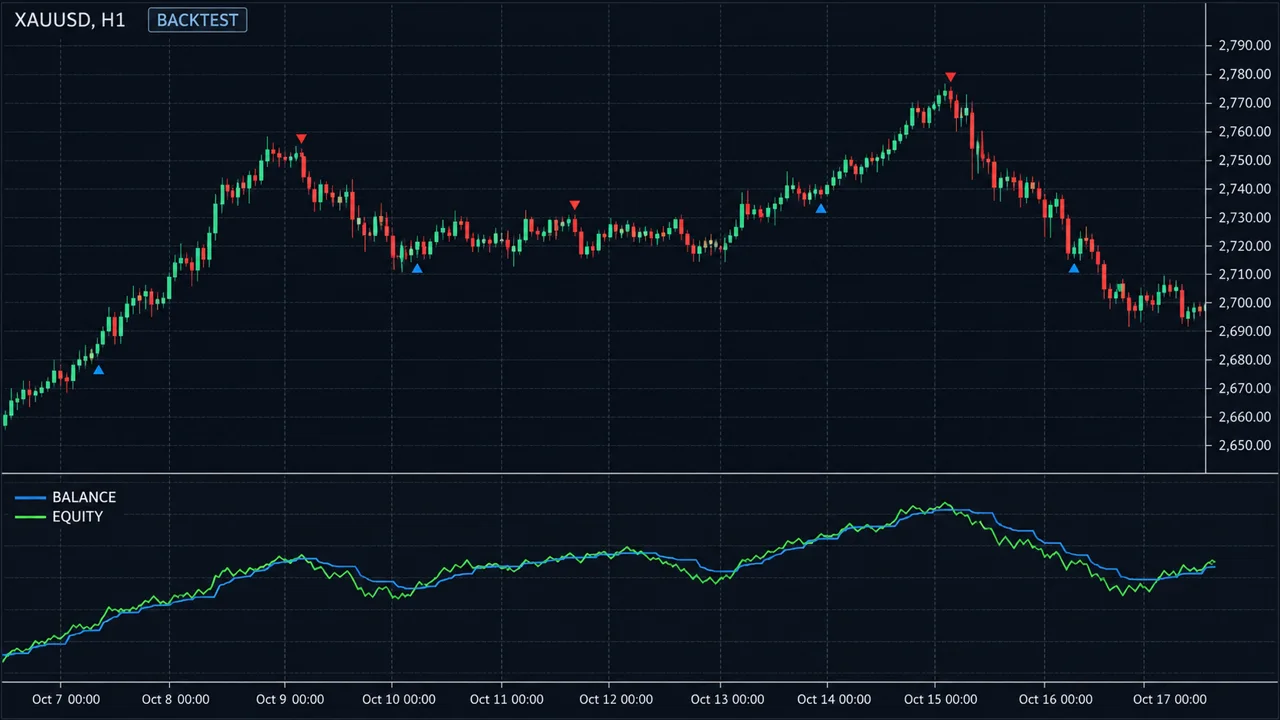
ดูภาพด้านล่าง
จะรู้ได้อย่างไรว่าผลต่างจาก backtest "ผิดปกติ"
ผล forward test จะไม่เหมือน backtest เป๊ะ เพราะตัวอย่างสั้นและมีโชคเข้ามาเกี่ยว คำถามที่ควรถามคือผลยังอยู่ในกรอบที่ backtest เคยเจอหรือไม่
- แพ้ติดกัน 6 ไม้ ขณะที่ backtest เคยแพ้ติดกัน 9 ไม้ = ยังปกติ
- drawdown ลึกกว่าค่าสูงสุดใน backtest ชัดเจน = สัญญาณเตือน
- อัตราชนะใกล้เดิม แต่กำไรเฉลี่ยลดลงมาก = มักเป็นเรื่องต้นทุนหรือการออกไม้
- จำนวนไม้ต่อเดือนต่างจากเดิมมาก = ตรวจว่าเงื่อนไขทำงานถูกต้อง หรือตลาดเปลี่ยนสภาพ
การทำ Monte Carlo จากผล backtest จะช่วยให้เห็นกรอบที่กว้างขึ้นว่า "แย่แค่ไหนยังถือว่าปกติ"
จุดอ่อน / ข้อผิดพลาดที่พบบ่อย
- ใจร้อน ทดสอบแค่สองสัปดาห์แล้วสรุป ช่วงสั้น ๆ อาจเจอแต่ตลาดแบบเดียว
- แก้กฎกลางทาง ทุกครั้งที่แก้ ผลก่อนหน้าใช้เทียบไม่ได้อีก
- demo สวยแล้วเพิ่มไม้ทันที การจับคู่คำสั่งและความรู้สึกต่างจากบัญชีจริงมาก
- ไม่จดสัญญาณที่ข้าม ทำให้ไม่รู้ว่าผลที่ได้มาจากระบบหรือจากการเลือกเอง
- ใช้ forward test เป็นการปรับค่าอีกรอบ ถ้าดูผลแล้วปรับค่าเรื่อย ๆ ก็กลายเป็น backtest ที่ช้าลงเท่านั้น
ใช้บนมือถือ
forward test แบบเทรดมือทำบนมือถือได้ดี ตั้งแจ้งเตือนราคา (Alert) ที่จุดเงื่อนไข เมื่อเข้าไม้ให้แคปหน้าจอคำสั่งไว้ทั้งราคาที่ตั้งใจและราคาที่ได้ แล้วจดลงสเปรดชีตทันที ถ้าใช้ EA ต้องรันบนคอมพิวเตอร์หรือ VPS เพราะแอปมือถือรัน EA ไม่ได้
สรุป
- Forward test คือการทดสอบกับตลาดที่ยังไม่เกิด เพื่อจับสิ่งที่ backtest มองไม่เห็น
- ล็อกกฎ ตั้งเกณฑ์หยุด และกำหนดจำนวนไม้เป้าหมายก่อนเริ่ม
- วัดสลิปเพจ สเปรด และสัญญาณที่ข้าม ไม่ใช่แค่กำไรขาดทุน
- เทียบผลกับกรอบปกติจาก backtest ไม่ใช่เทียบตัวเลขเป๊ะ
- เพิ่มขนาดไม้ทีละขั้นหลังผลผ่านเกณฑ์เท่านั้น
Forward testing means taking a system that passed its backtest and running it on the market as it unfolds, either on a demo account or on a live account with very small size. The goal is to see whether the historical result survives contact with data the system has never seen, and with things a backtest cannot simulate: slippage, dropped connections, and your own hesitation.
Why a backtest alone is not enough
Every backtest has blind spots, however careful you are.
- The data has already been seen. While building a system we usually tweak rules after looking at the same charts, which flatters results without us noticing.
- Real execution is imperfect. The fill can differ from the price on screen, and spreads widen around news and the daily rollover.
- People are not machines. In a backtest you never skip a signal out of fear. Live, it happens all the time.
A forward test is the second gate. It answers: "does this system work in the real world, with me running it?"
Preparing
- Write down the reference numbers from the backtest: win rate, expectancy, trades per month, maximum drawdown and longest losing streak.
- Freeze the rules. No changes during the test. If you want to change something, note it and start a new test round.
- Set stop criteria in advance, e.g. if drawdown exceeds 1.5 times the backtest maximum, stop and review.
- Set a sample size in trades, not days, e.g. 50–100 trades. A slow system simply takes longer.
Demo or small live
| Type | Pros | Cons |
|---|---|---|
| Demo | Free, unlimited | Fills may be kinder than live; no emotional pressure |
| Small live | Real slippage and spreads; real pressure | Costs real money, even if little |
A common sequence is demo first to confirm the rules and the EA behave correctly, then live at the smallest size the broker allows (for example 0.01 lots), and only then step size up gradually. See Demo to live.
What to measure
- Intended entry versus actual fill. The difference is slippage.
- Spread at entry, especially around news and rollover.
- Signals the system gave that you did not take. If there are many, the problem is the trader, not the system.
- Results, compared with the backtest reference numbers every 20–25 trades.
To set expectations for how far price has historically moved against an entry before going your way, you can compare with the chart analysis tool, which helps when judging stop distance.
Suppose a gold backtest at 0.10 lots shows a 40% win rate, $30 average win and $15 average loss. Expectancy = 0.40 × 30 − 0.60 × 15 = 12 − 9 = $3 per trade. In the forward test, average slippage is $0.20 per ounce. At 0.10 lots (10 oz) that is 0.20 × 10 = $2 per trade. Remaining expectancy = 3 − 2 = $1 per trade. Still positive, but thin. Another $0.10 per ounce of slippage ($1 per trade) would take it to exactly zero. The conclusion is not "the system is broken" but "this system is very sensitive to costs". Reduce costs, or use wider stops and targets.
See the chart below.
How to tell whether a difference is "abnormal"
Forward results will never match the backtest exactly, because the sample is short and luck plays a role. The right question is whether results stay inside the range the backtest has already shown.
- Six losses in a row when the backtest had a nine-loss streak: still normal.
- Drawdown clearly deeper than the backtest maximum: warning sign.
- Similar win rate but much smaller average profit: usually costs or exits.
- Trade frequency very different from before: check the conditions fire correctly, or whether the market regime changed.
Running a Monte Carlo simulation on the backtest trades gives a wider view of how bad things can get and still count as normal.
Weaknesses / common mistakes
- Impatience. Two weeks of testing, then a verdict. A short window may contain only one type of market.
- Changing rules midway. Every change makes earlier results incomparable.
- Good demo, instant size-up. Demo fills and feelings differ a lot from live.
- Not logging skipped signals. You cannot tell whether results come from the system or from your selection.
- Using the forward test to optimize again. Tweaking after every batch just turns it into a slower backtest.
On a phone
Manual forward testing works well on a phone. Set price alerts at your trigger levels, screenshot the order ticket with both the intended and filled price, and log it in a spreadsheet right away. If you use an EA, it must run on a computer or a VPS; mobile apps cannot run EAs.
Summary
- A forward test runs the system on unseen market data to catch what the backtest misses.
- Freeze rules, set stop criteria and a target number of trades before you start.
- Measure slippage, spread and skipped signals, not only profit and loss.
- Compare results with the backtest's normal range, not its exact numbers.
- Increase size step by step, and only after results pass your criteria.