เบรกแล้วรีเทสต์ (Breakout and Retest)Breakout and Retest
เทรดการทะลุแนวรับแนวต้านแบบรอราคากลับมาทดสอบ ได้ SL สั้นลงและ RR ดีขึ้น พร้อมรู้ราคาที่ต้องจ่ายคือพลาดบางรอบTrade breaks of support and resistance by waiting for price to come back and test the level, for a shorter stop and better reward-to-risk, at the cost of missing some moves.
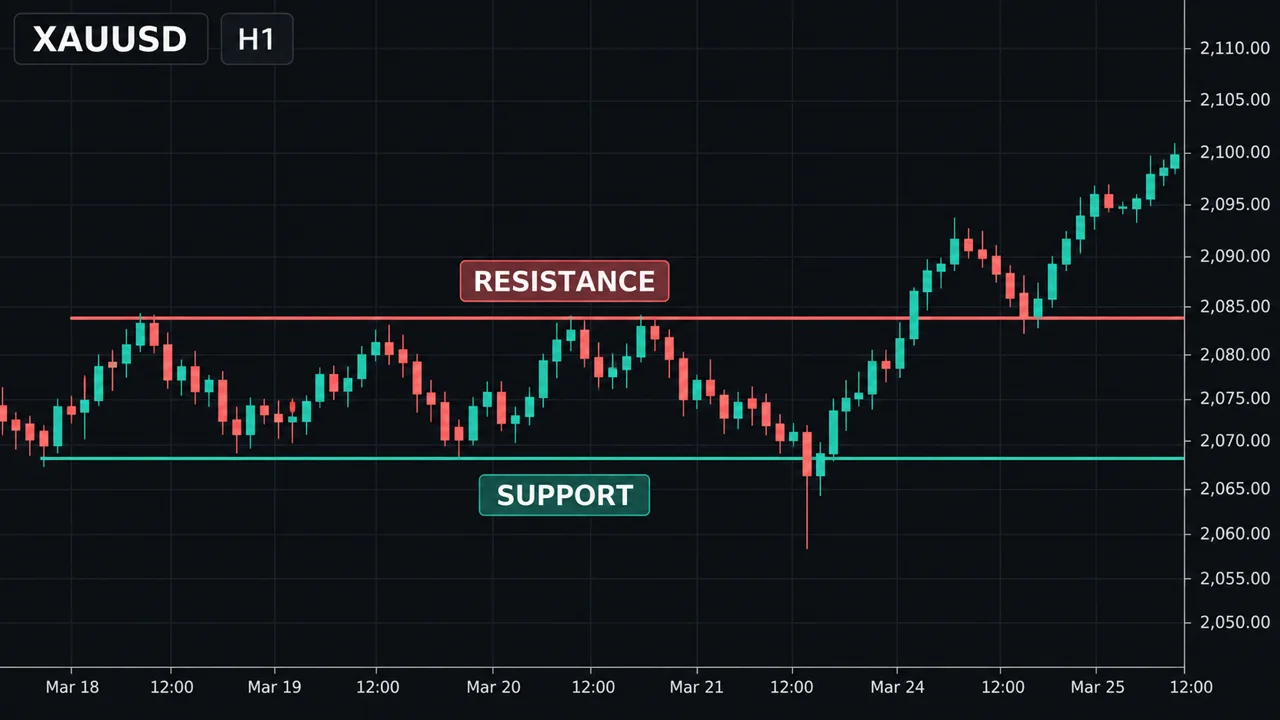
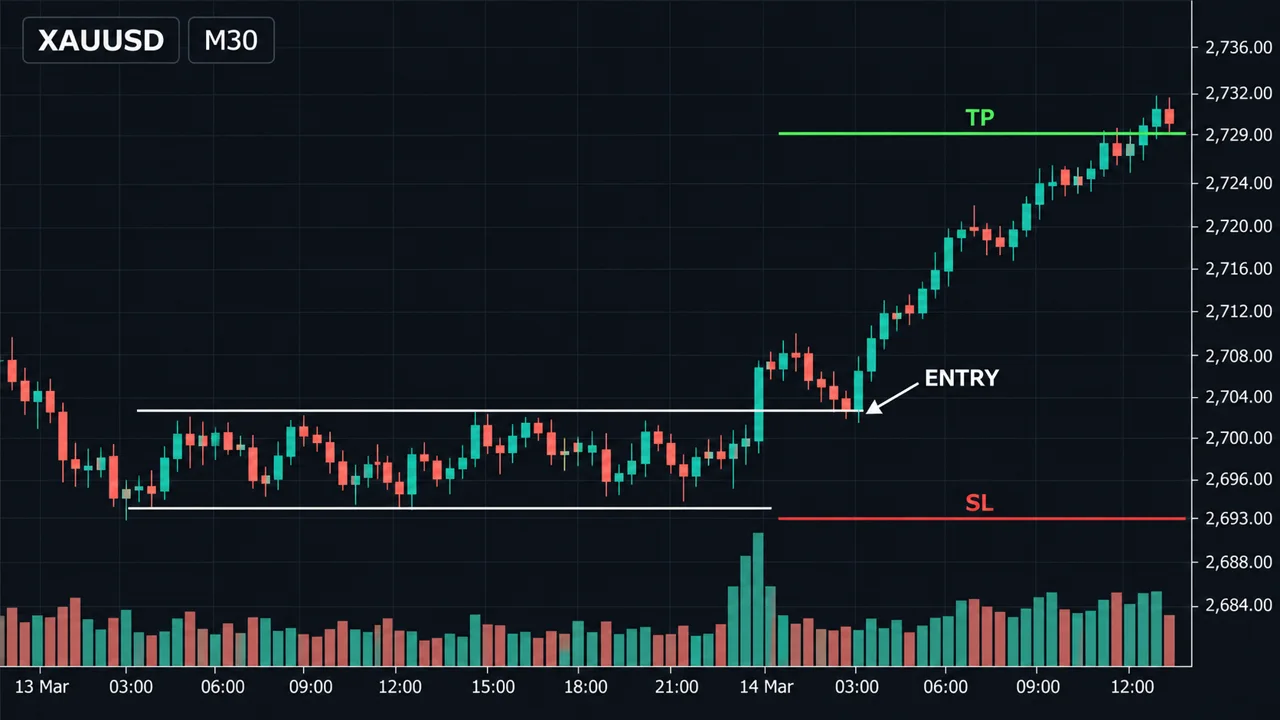
การเทรดเบรกแล้วรีเทสต์ (Breakout and Retest) เป็นหนึ่งในวิธีที่ใช้กันแพร่หลายที่สุดในสาย Price Action แนวคิดคือแทนที่จะไล่ซื้อทันทีที่ราคาทะลุแนวต้าน เราจะรอให้ราคากลับมา "ทดสอบ" แนวต้านเดิมที่ตอนนี้ควรกลายเป็นแนวรับ ถ้าราคายืนได้ จึงค่อยเข้า วิธีนี้ช่วยลดการโดนเบรกหลอกได้บางส่วน และทำให้ SL สั้นลง
ทำไมรีเทสต์จึงเกิดขึ้น
หลักการมาจาก การสลับบทบาทของแนวรับแนวต้าน
- คนที่ขายที่แนวต้านเดิมและติดขาดทุน อยากปิดออเดอร์เมื่อราคากลับมาใกล้ทุน การปิดออเดอร์ขายคือการซื้อ จึงเกิดแรงซื้อที่ระดับเดิม
- คนที่พลาดการเบรกรอบแรก รอซื้อเมื่อราคากลับมา
- คนที่ซื้อตอนเบรกแล้ว อาจเพิ่มออเดอร์ที่ระดับเดิม
ทั้งหมดนี้ทำให้ระดับที่เพิ่งถูกทะลุมีโอกาสรองรับราคา แต่ไม่ใช่ทุกครั้ง
ขั้นตอนเทรด
- เลือกระดับที่ชัด แนวต้านที่ถูกทดสอบหลายครั้งบนไทม์เฟรม H1 ขึ้นไป หรือขอบของรูปแบบกราฟ
- รอการเบรกที่มีคุณภาพ แท่งปิดเหนือระดับชัดเจน ตัวเทียนใหญ่กว่าแท่งปกติ ไม่ใช่แค่ไส้แทงผ่าน
- รอราคากลับมา ปล่อยให้ราคาย่อลงมาแตะหรือเข้าใกล้ระดับที่ทะลุ อย่าตั้งเวลาแน่นอน บางครั้งไม่กี่แท่ง บางครั้งไม่กลับมาเลย
- ดูพฤติกรรมตอนทดสอบ ราคาควรหยุดที่ระดับเดิม เห็นไส้ล่างยาว แท่งกลับตัว หรือโครงสร้างไทม์เฟรมเล็กกลับขึ้น ถ้าราคาปิดกลับใต้ระดับอย่างชัดเจน การเบรกล้มเหลว
- เข้าและวาง SL เข้าเมื่อมีสัญญาณยืนยัน SL ใต้จุดต่ำของการรีเทสต์ (หรือใต้ระดับเดิมเผื่อระยะ)
- เป้า แนวต้านถัดไป หรือระยะวัดของรูปแบบที่เบรก
บางครั้งราคากลับมาไม่ถึงระดับเดิมเพราะแรงซื้อมาก บางครั้งแทงลึกลงไปใต้ระดับเล็กน้อยแล้วกลับขึ้น ให้มองระดับเป็นโซน และตัดสินจากราคาปิด
สมมติแนวต้าน H1 อยู่ที่ 1.0900 ราคาทดสอบมาแล้ว 3 ครั้ง แนวต้านถัดไปอยู่ที่ 1.0965 แท่งหนึ่งปิดทะลุขึ้นไปที่ 1.0918 บัญชี $3,000 ใช้ 0.15 ล็อต = $1.5/pip ไล่เข้าตอนเบรก ซื้อ 1.0918 SL ใต้ระดับที่ 1.0885 = 33 pip → เสี่ยง 33 × 1.5 = $49.50 เป้า 1.0965 = 47 pip → $70.50 RR ≈ 1.42 รอรีเทสต์ ราคาย่อลงมาทำจุดต่ำ 1.0903 แล้วมีแท่งกลับตัว ซื้อ 1.0905 SL 1.0885 = 20 pip → เสี่ยง 20 × 1.5 = $30 (1% ของบัญชี) เป้า 1.0965 = 60 pip → $90 RR = 3.0 ล็อตเท่ากัน แต่การรอรีเทสต์เสี่ยงน้อยกว่าและเป้าไกลกว่า ข้อเสียคือถ้าราคาวิ่งขึ้นไปเลยโดยไม่ย่อ คุณจะไม่ได้เทรดรอบนั้น
ดูภาพด้านล่าง ตัวอย่างนี้วาดเป็นกราฟ และเทียบ RR ของสองวิธี
จุดอ่อน / ข้อผิดพลาดที่พบบ่อย
- พลาดการวิ่งที่แรงที่สุด การเบรกที่แรงมาก ๆ มักไม่กลับมารีเทสต์ วิธีนี้จึงพลาดรอบที่ดีที่สุดบางรอบโดยธรรมชาติ
- รีเทสต์ที่กลายเป็นเบรกหลอก ราคากลับมาที่ระดับแล้วทะลุลงไปเลย แปลว่าการเบรกครั้งแรกเป็น เบรกหลอก SL ต้องอยู่ในตำแหน่งที่ถ้าโดน ก็แปลว่าความคิดผิดจริง
- ใช้ Limit ที่ระดับโดยไม่ดูการตอบสนอง ตั้ง Buy Limit ที่ระดับเดิมทันทีหลังเบรก ทำให้เข้าแม้ราคาร่วงทะลุแรง ๆ
- นับไส้เป็นการเบรก ถ้าไม่มีแท่งปิดเหนือระดับ ก็ยังไม่มีอะไรให้รีเทสต์
- รอนานเกินไป ถ้าราคาไปไกลแล้วค่อยกลับมาหลายวันต่อมา บริบทอาจเปลี่ยนไปแล้ว ระดับนั้นอาจไม่สำคัญอีก
- ไม่ดูเทรนด์ใหญ่ การเบรกขึ้นในขาลงของ D1 มีโอกาสล้มเหลวมากกว่า
ใช้บนมือถือ
บนมือถือ หลังเห็นการเบรก ให้ตั้งการแจ้งเตือนราคาไว้เหนือระดับเดิมเล็กน้อย เมื่อแจ้งเตือนดัง ค่อยเปิดกราฟดูว่าราคาตอบสนองอย่างไร แทนที่จะเฝ้าจอทั้งวัน ถ้าตัดสินใจเข้า ให้ใส่ SL และ TP ในหน้าต่างเปิดออเดอร์เลย
สรุป
- รีเทสต์เกิดจากการสลับบทบาท แนวต้านที่ถูกทะลุอาจกลายเป็นแนวรับ
- รอแท่งปิดทะลุที่ชัด แล้วรอราคากลับมาทดสอบพร้อมสัญญาณยืนยัน
- SL ใต้จุดต่ำของการรีเทสต์ ทำให้ระยะสั้นลงและ RR ดีขึ้น
- ราคาที่ต้องจ่ายคือพลาดการวิ่งแรงบางรอบ ยอมรับให้ได้
- ถ้าราคาปิดกลับใต้ระดับ การเบรกล้มเหลว ออกตามแผน
Breakout and retest is one of the most widely used price action approaches. Instead of chasing price the moment it breaks resistance, you wait for price to come back and test the old resistance, which should now act as support. If price holds, you enter. This filters out some false breaks and shortens your stop.
Why retests happen
It comes from the role reversal of support and resistance:
- Traders who sold at the old resistance and are now losing want to close near break-even. Closing a sell means buying, so buying appears at the old level.
- Traders who missed the first break wait to buy if price returns.
- Traders who bought the break may add at the old level.
All of this makes the broken level a candidate for support, but not every time.
Step by step
- Choose a clear level. Resistance tested several times on H1 or higher, or the edge of a chart pattern.
- Wait for a quality break. A candle closing clearly above the level, with a body larger than normal, not just a wick poking through.
- Wait for the return. Let price pull back to or near the broken level. Don't set a fixed time: sometimes it takes a few candles, sometimes it never comes back.
- Watch the test. Price should stall at the old level: long lower wicks, a reversal candle, or lower-timeframe structure turning up. If price closes back below the level decisively, the break failed.
- Enter and place the stop. Enter on confirmation; stop below the retest low (or below the old level with a buffer).
- Target. The next resistance, or the measured move of the pattern that broke.
Sometimes buyers are strong and price never quite reaches the level; sometimes it dips a little below and recovers. Treat the level as a zone and judge by closes.
Suppose H1 resistance is at 1.0900, tested three times, with the next resistance at 1.0965. A candle closes through at 1.0918. The account is $3,000, using 0.15 lot = $1.5/pip. Chase the break: buy 1.0918, stop below the level at 1.0885 = 33 pips → risk 33 × 1.5 = $49.50. Target 1.0965 = 47 pips → $70.50. R:R ≈ 1.42. Wait for the retest: price pulls back to a low of 1.0903 and prints a reversal candle. Buy 1.0905, stop 1.0885 = 20 pips → risk 20 × 1.5 = $30 (1% of the account). Target 1.0965 = 60 pips → $90. R:R = 3.0. Same lot, but the retest entry risks less and has more room to the target. The cost: if price runs without pulling back, you don't get the trade.
See the charts below: the same example drawn out, and the R:R of both methods side by side.
Weaknesses and common mistakes
- Missing the strongest moves. The most powerful breaks often never retest, so this method skips some of the best runs by design.
- A retest that becomes a failure. Price comes back to the level and keeps falling, meaning the first break was a false breakout. Your stop must sit where being hit really means you were wrong.
- Blind limit orders at the level. A buy limit placed right after the break fills even if price crashes through the level.
- Counting a wick as a break. Without a close above the level, there is nothing to retest.
- Waiting too long. If price goes far away and only comes back days later, the context may have changed and the level may no longer matter.
- Ignoring the bigger trend. An upside break inside a D1 downtrend is more likely to fail.
On a phone
On a phone, once you see a break, set a price alert slightly above the old level. When it fires, open the chart and see how price reacts, instead of watching all day. If you decide to enter, set the stop loss and take profit in the order window right away.
Summary
- Retests come from role reversal: broken resistance may become support.
- Wait for a clear close through the level, then for a return with confirmation.
- A stop below the retest low means a shorter distance and better R:R.
- The price you pay is missing some strong moves. Accept it.
- If price closes back below the level, the break failed. Exit as planned.