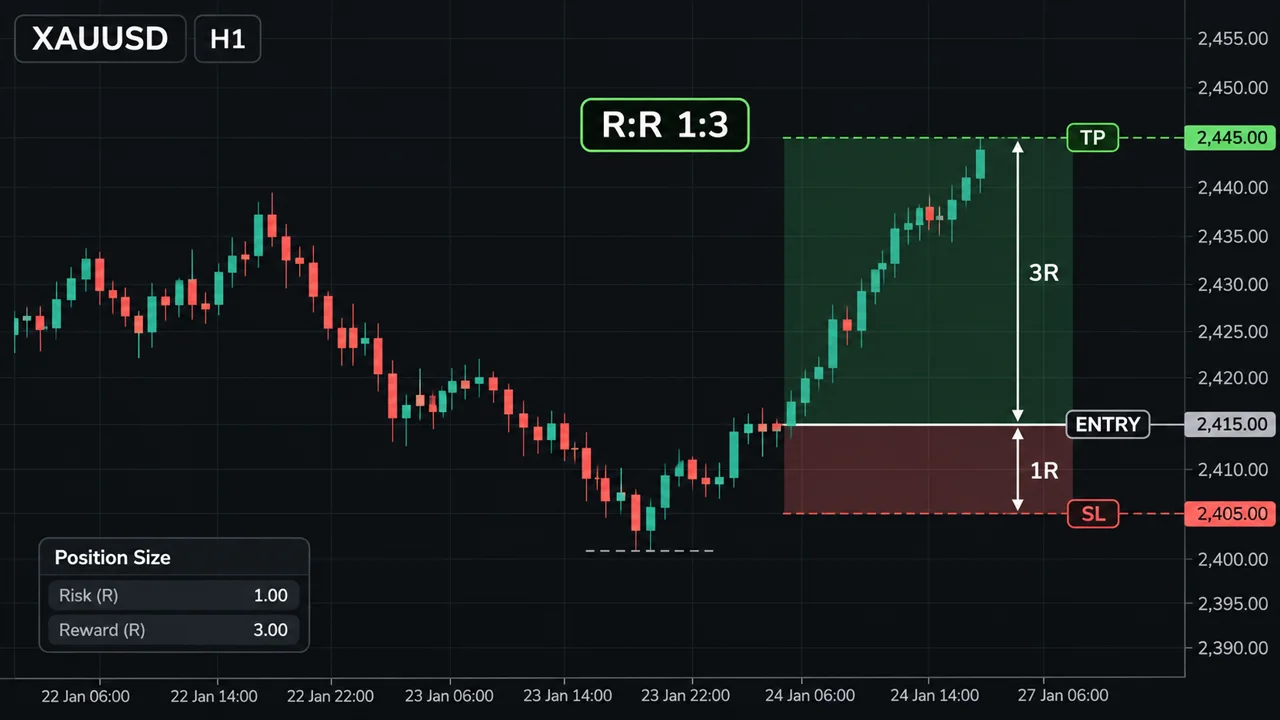
อาการ Tilt เมื่ออารมณ์หลุดจนเทรดไม่เป็นตัวเองTilt — When Emotion Takes Over Your Trading
รู้จักอาการ Tilt ที่ทำให้เทรดเดอร์ทิ้งกฎทั้งหมด สัญญาณเตือนระดับต่าง ๆ และระบบเบรกฉุกเฉินที่ตั้งไว้ล่วงหน้าRecognise tilt — the state where a trader drops every rule — its warning levels, and an emergency-brake system you set up in advance.
In this article · 6
คำว่า Tilt มาจากวงการโป๊กเกอร์ หมายถึงสภาพที่ผู้เล่นอารมณ์เสียจนเล่นไม่เหมือนตัวเอง ในการเทรด Tilt คือช่วงที่อารมณ์ เช่น โกรธ หงุดหงิด อับอาย หรือตื่นเต้นเกินไป เข้ามาควบคุมการตัดสินใจจนเราทิ้งกฎที่ตั้งไว้ทั้งหมด การเทรดแก้แค้นเป็นอาการหนึ่งของ Tilt แต่ Tilt กว้างกว่านั้น และเกิดได้แม้ตอนกำลังชนะ
Tilt เกิดจากอะไร
ตัวกระตุ้นที่พบบ่อยในเทรดเดอร์
- ขาดทุนที่รู้สึกไม่ยุติธรรม เช่น โดน SL ไปนิดเดียวแล้วราคาวิ่งไปทางที่คิด
- ทำผิดกฎตัวเองแล้วเสียเงิน ความรู้สึกผิดกลายเป็นความโกรธตัวเอง
- สเปรดถ่างหรือสลิปเพจ ในช่วงข่าว ทำให้รู้สึกว่าถูกโกง
- ชนะติดกันหลายไม้ จนรู้สึกว่าตัวเองควบคุมตลาดได้ (Tilt แบบฮึกเหิม)
- เรื่องนอกตลาด เช่น ทะเลาะกับคนใกล้ตัว งานเครียด อดนอน แล้วเอาอารมณ์นั้นเข้ามาเทรด
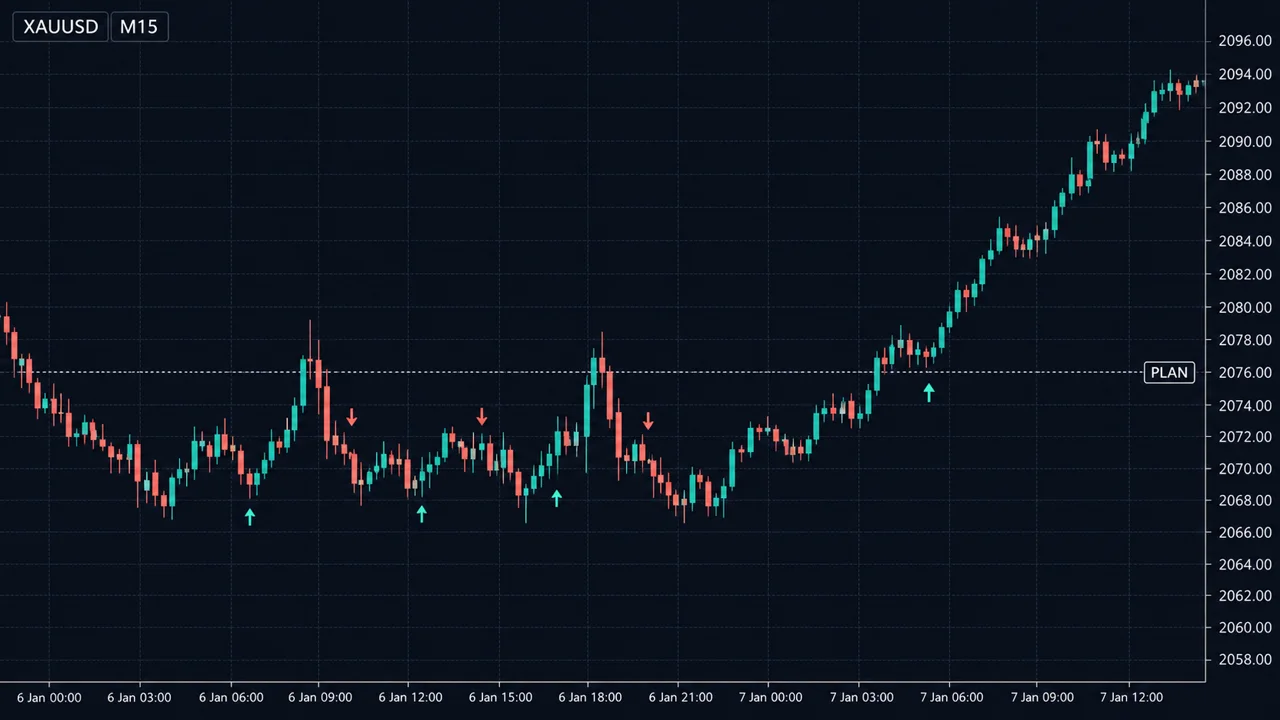
ดูภาพด้านล่าง ตัวกระตุ้นข้อแรก: โดน SL ไปนิดเดียวแล้วราคาวิ่งไปทางที่คิด
ระดับของ Tilt
| ระดับ | อาการที่เห็น | สิ่งที่ควรทำ |
|---|---|---|
| 1 เริ่มหงุดหงิด | บ่นตลาด เช็กกราฟถี่ขึ้น | หายใจช้า ๆ ทบทวนเช็กลิสต์ |
| 2 เริ่มฝ่ากฎเล็ก | เข้าก่อนแท่งปิด ข้ามขั้นตอน | หยุดเปิดไม้ใหม่ 30 นาที |
| 3 ฝ่ากฎใหญ่ | เพิ่มล็อต ขยาย SL กลับทิศไปมา | ปิดแอป หยุดวันนี้ |
| 4 ไม่สนอะไรแล้ว | ถอด SL เทรดทุกอย่าง | ออกจากระบบ ห่างจากตลาดหลายวัน |
จุดสำคัญคือ Tilt ระดับสูงจะทำให้เรามองไม่เห็นว่าตัวเองอยู่ในระดับไหน ดังนั้นกฎต้องตั้งไว้ตอนที่ใจเย็น และผูกกับสิ่งที่วัดได้ เช่น จำนวนไม้แพ้หรือยอดขาดทุน ไม่ใช่ความรู้สึก
ระบบเบรกฉุกเฉิน
- กฎตัวเลขที่ไม่ต้องตีความ เช่น แพ้ 2 ไม้ติด หรือขาดทุนรวม 1.5% ในวันเดียว = หยุดทันที
- ตรวจอาการก่อนทุกไม้ ถามตัวเองหนึ่งคำถาม "ถ้าไม้นี้แพ้ ฉันจะโอเคไหม" ถ้าคำตอบคือไม่ แปลว่าล็อตใหญ่เกินหรืออารมณ์ไม่พร้อม
- ทำสัญญากับตัวเอง เขียนไว้ในแผนว่า "ถ้าฉันขยาย SL หรือเพิ่มล็อตเกินสูตร ฉันจะหยุดเทรดเงินจริงสามวัน"
- มีกิจกรรมตัดวงจร เช่น ออกไปเดิน 15 นาที อาบน้ำ ดื่มน้ำ กิจกรรมที่ใช้ร่างกายช่วยลดอารมณ์ได้ดีกว่าการนั่งจ้องจอ
- หยุดหลังชนะใหญ่ด้วย หลังวันที่ดีผิดปกติ ให้ลดล็อตหรือพักหนึ่งวัน เพื่อป้องกัน Tilt แบบฮึกเหิม
- ทบทวนหลังเหตุการณ์ เมื่อใจเย็นแล้ว เขียนว่าตัวกระตุ้นคืออะไร และเพิ่มกฎป้องกันในแผน
สมมติพอร์ต $4,000 แผนคือเสี่ยงไม้ละ 0.5% = $20 ไม่มีเบรก หลังแพ้ไม้แรก เทรดเดอร์เริ่มหงุดหงิด และเพิ่มขนาดเป็นสองเท่าทุกสองไม้ ผล 6 ไม้: −$20, −$20, −$40, −$40, −$80, −$80 รวม −$280 = 7% ของพอร์ต (280 ÷ 4,000 = 0.07) มีเบรก "แพ้ 2 ไม้ติด = หยุด" เสีย −$20, −$20 รวม −$40 = 1% แล้วหยุด ส่วนต่าง $240 คือราคาของการไม่มีกฎหยุดในวันเดียว และพอร์ตที่ลดลง 1% ใช้เวลาฟื้นน้อยกว่าพอร์ตที่ลดลง 7% มาก
ข้อผิดพลาดที่พบบ่อย
- คิดว่าต้องฝืนเทรดต่อเพื่อฝึกใจ การฝึกใจที่ได้ผลคือการหยุดตามกฎ ไม่ใช่การนั่งเทรดตอนอารมณ์หลุด
- กฎหยุดผูกกับความรู้สึก เช่น "หยุดเมื่อรู้สึกว่าไม่ไหว" ตอน Tilt เราจะรู้สึกว่าไหวเสมอ
- ไม่นับ Tilt ตอนชนะ ความฮึกเหิมทำให้เพิ่มล็อตและข้ามกฎ ซึ่งอันตรายไม่แพ้ตอนแพ้
- เอาเรื่องนอกตลาดเข้ามาเทรด ถ้าวันนั้นมีเรื่องหนักใจ การไม่เทรดคือการตัดสินใจที่ดี
- โทษตัวเองหนักหลัง Tilt การตำหนิตัวเองมากเกินไปมักนำไปสู่ Tilt รอบใหม่ ให้มองเป็นข้อมูลแล้วเพิ่มกฎ
ใช้บนมือถือ
ใช้ฟีเจอร์จำกัดเวลาใช้แอป (Screen Time หรือ Digital Wellbeing) ตั้งเวลาให้แอปเทรดใช้ได้เฉพาะช่วงที่แผนกำหนด และหลังโดน SL ไม้ที่สอง ให้ปิดแอปแล้วล็อกด้วยฟีเจอร์นี้ ถ้าบัญชีมีระบบหยุดเทรดชั่วคราวหรือการตั้งลิมิต ก็ใช้ได้เช่นกัน การเพิ่มขั้นตอนก่อนกลับเข้าไปเทรดได้ คือตัวช่วยที่ดีที่สุดในวันที่อารมณ์หลุด
สรุป
- Tilt คือสภาพที่อารมณ์ควบคุมการตัดสินใจจนทิ้งกฎทั้งหมด
- เกิดได้ทั้งตอนแพ้และตอนชนะ รวมถึงจากเรื่องนอกตลาด
- กฎหยุดต้องเป็นตัวเลข ตั้งไว้ตอนใจเย็น ไม่ผูกกับความรู้สึก
- หยุดเร็วเสียน้อย ทบทวนภายหลังแล้วเพิ่มกฎป้องกัน
"Tilt" comes from poker, where it describes a player so upset they stop playing like themselves. In trading, tilt is the state where emotion — anger, frustration, embarrassment or over-excitement — takes over your decisions and you drop every rule you set. Revenge trading is one symptom of tilt, but tilt is broader, and it can happen even while you are winning.
What triggers tilt
Common triggers for traders:
- A loss that feels unfair — stopped out by a hair, then price runs exactly where you expected.
- Breaking your own rule and losing money — guilt turns into anger at yourself.
- Spread spikes or slippage around news that make you feel cheated.
- A string of wins that makes you feel you control the market (euphoric tilt).
- Life outside the market — an argument, work stress, lack of sleep — carried into your trading.
See the picture below: the first trigger — stopped out by a hair, then price runs where you expected.
Levels of tilt
| Level | What it looks like | What to do |
|---|---|---|
| 1 Irritated | Complaining about the market, checking more often | Slow breathing, reread the checklist |
| 2 Small rule breaks | Entering before candle close, skipping steps | No new trades for 30 minutes |
| 3 Big rule breaks | Bigger lots, wider stops, flipping direction | Close the app, done for the day |
| 4 Nothing matters | Removing stops, trading everything | Log out, stay away for several days |
The key point: at the higher levels you cannot see which level you are at. So rules must be set while calm and tied to things you can measure — number of losses, size of drawdown — not to feelings.
An emergency-brake system
- Numeric rules that need no interpretation — for example, 2 losses in a row or −1.5% in a day = stop immediately.
- A check before every trade. Ask one question: "If this trade loses, will I be fine?" If not, the lot is too big or you are not in shape to trade.
- A contract with yourself. Write in your plan: "If I widen a stop or exceed my lot formula, I stop live trading for three days."
- A circuit-breaker activity — a 15-minute walk, a shower, a glass of water. Physical activity calms you down better than staring at the screen.
- Stop after big wins too. After an unusually good day, reduce size or take a day off to prevent euphoric tilt.
- Review afterwards. Once calm, write down what the trigger was and add a protective rule to your plan.
Suppose a $4,000 account whose plan risks 0.5% = $20 per trade. No brake: after the first loss the trader gets annoyed and doubles the size every two trades. Six trades: −$20, −$20, −$40, −$40, −$80, −$80. Total −$280 = 7% of the account (280 ÷ 4,000 = 0.07). With a "2 losses in a row = stop" brake: −$20, −$20, total −$40 = 1%, then stop. The $240 difference is the cost of having no stop rule on a single day — and a 1% drawdown takes far less time to recover than a 7% one.
Common mistakes
- Pushing on "to train your mind." Mental training that works is stopping by the rules, not trading while tilted.
- Stop rules tied to feelings, like "stop when I can't take it any more." On tilt you always feel you can.
- Ignoring tilt when winning. Euphoria leads to bigger lots and skipped rules, just as dangerous as losing.
- Bringing outside problems to the chart. On a heavy day, not trading is a good decision.
- Beating yourself up after tilting. Excessive self-blame often triggers the next round. Treat it as data and add a rule.
On a phone
Use your phone's app time limits (Screen Time or Digital Wellbeing) so the trading app only works during the hours your plan allows, and after the second stop-out, close the app and lock it with this feature. If your account offers a temporary trading pause or limits, those help too. Adding steps before you can trade again is the best protection on a day your emotions slip.
Summary
- Tilt is when emotion runs your decisions and every rule goes out the window.
- It happens when losing, when winning, and from problems outside the market.
- Stop rules must be numeric, set while calm, and not tied to feelings.
- Stop early and cheaply, then review and add a protective rule.